
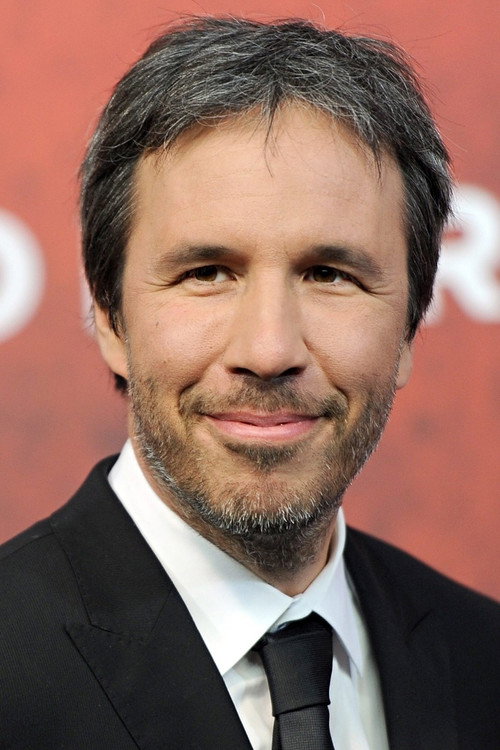
Stills, screencaps & shots from Giliap
16 of 63 frames — the full set is searchable by lighting, lens, shot size, color and mood with a free account.
What is Giliap about?
In a minor town the morose manager is primarily responsible for the bad atmosphere of a restaurant. But central for the plot are three persons: a male waiter who is never named (here called W), the female waiter Anna, and "the count", a self-invented nickname by a man cleaning plates. The count is skilled in making others do what he wants. Half a dozen of the personnel assist in a poorly planned and failed attempt to liberate a man whom the police move from one arrest to another. The event involves stealing a motorcycle and threatening policemen with a gun. Anna strongly tries to make contact with W. Finally it turns out that she need his help to break her sexual relation to the count, a relation that from her part is not motivated by positive feelings. W rejects her attempts. And then Anna has suddenly gone. She has got a pleasant job in another town. And then W's feelings awaken.
Who stars in Giliap?


Who made Giliap?

What does the cinematography of Giliap look like?
Sampled across 63 frames, the coverage of Giliap leans on medium shots (59% of the sample) and wide compositions (27%). Cinematographer John Olsson keeps 57% of it in soft, naturalistic light. Night and dusk account for 54% of the frames. Vintage glass shapes the frame. The production design places the film in the 1970s.
What is the color palette of Giliap?
The dominant colors across the sampled frames of Giliap (1975) are #33302c, #8f8873, #4d4737, #13110f, #51524b, #d5d2c8 — measured from the per-frame color data FrameThrower extracts for every film.
#33302c#8f8873#4d4737#13110f#51524b#d5d2c8
See the full Giliap colour palette — every hex with its share, plus warmth, saturation and luminance.
A reference database for filmmakers
FrameThrower is a fully machine-searchable film database and visual reference library — all 63 frames of Giliap (1975), and 5,000+ films besides, indexed frame by frame and readable by AI. Search it in plain language, from a reference image, or by colour; call it from an API, an MCP server or an SDK. It's the reference layer for making the next movie.
Techniques in this film
More films by Roy Andersson
More Crime films
Cast, trailer and streaming data from TMDB. This product uses the TMDB API but is not endorsed or certified by TMDB.