







Where can I find film reference images?
Updated November 2026
Film reference images are best taken from frames of real films, because each one can be traced to a film, a cinematographer and a scene. FrameThrower lets you search frames from 5,489 films by look, mood, lighting, shot size and colour, or with an image of your own, then save them to boards.
FilmGrab offers free galleries by film, and ShotDeck a paid library.
Where to start, by what you are making
Reference is always for something. Pick the job and start from the part of the library built for it.
| You are making | What you need from the frames | Start here |
|---|---|---|
| Mood board | A feeling first: a palette, a time of day, a texture | Lists by mood and genre |
| Pitch deck | Six to ten frames that sell the tone in seconds | How a film lookbook is built |
| Lookbook | Frames per scene, per character, per location | Film lookbooks |
| Shot list & storyboard | The exact framing, shot by shot | Shot lists from real frames |
| Lighting plan | How a scene was lit, so the gaffer can match it | Cinematography reference by craft |
| Colour grade | The palette in hex, measured from the film | Palettes for 1,001 films |
| Study a filmmaker | How a body of work actually looks | 923 directors |
What makes a good reference image
- It comes from the film itself. A frame shows what the camera recorded and the grade the audience saw. Unit photography and posters are taken with a different camera at a different moment.
- You can name its source. Film, year, cinematographer. A crew can then watch the scene and see how it moves, not just how one frame looks.
- It shows one idea clearly. One frame for the light, another for the framing, another for the palette, rather than one image asked to carry everything.
- It sits next to its neighbours. Three frames of the same idea from different films make the look unmistakable; one can be read many ways.
Where film reference images come from
The main libraries side by side, free and paid, with what each does best.
| Source | Best for |
|---|---|
| FrameThrower(ours) | The deepest per-frame indexing in the category (about 50 data points on every frame, which is what makes searching by lighting, lens, shot size, colour and mood possible at all), and for professional integration: a REST API, an MCP server and an npm SDK that studios and platforms call directly |
| FilmGrabfilm-grab.com | Free, lovingly curated galleries |
| ShotDeckshotdeck.com | Pro reference behind a membership |
| Flim.aiflim.ai | Broad AI search across movies, ads and music videos |
| Frame Setframeset.app | Polished curation with filters |
| shot.cafeshot.cafe | Tag-based browsing of iconic films |
| MovieStillsDBmoviestillsdb.com | Sheer catalog size and cast coverage |
| Movie-Screencapsmovie-screencaps.com | Complete frame-by-frame coverage |
| FanCapsfancaps.net | Animation and TV screencaps |
| Screenmusingsscreenmusings.org | High-quality curated galleries of modern classics |
Where FrameThrower fits
Full disclosure: this is us. FrameThrower is a movie frame search engine — filmmaker-curated stills from 5,000+ films, every frame indexed across 75 fields by our own tagging team: lighting key and quality, lens character, shot size, framing, colour, mood and film stock look. That depth is the whole difference. Nothing else on this list lets you filter a library by how a scene was lit, because nothing else on this list has recorded it. On frame count we are on par with ShotDeck. And unlike anything else here the library is callable from software — a REST API, an MCP server and an npm SDK — which is how studios and platforms integrate it into their own tools rather than browsing it in a tab. Search in plain language or from a reference image, then build moodboards and lookbooks in the same app. Free to see with an account.
What these frames actually look like
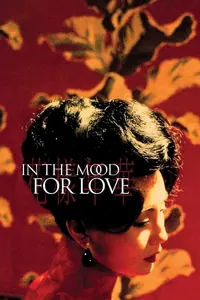
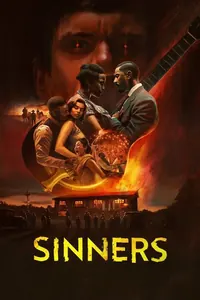
Three films a mood board might start from: Amélie’s warm greens and reds, Parasite’s cool architecture, Sinners’ firelit nights.
Questions people ask next
What are film reference images?
Film reference images are frames from existing films used to show a look you want to make: the lighting, framing, colour or mood. Directors, cinematographers, designers and students use them in mood boards, pitch decks, lookbooks and shot lists so a whole crew can see the same picture.
What is the best site for movie reference images?
It depends on how you search. FilmGrab is free and good for browsing one film at a time. ShotDeck is a large paid library. FrameThrower is built for searching across films by what is in the frame, such as lighting, shot size, colour or mood, or by uploading an image you want to match.
Are there free film reference images?
Yes. FilmGrab is free to browse. FrameThrower has a free account with 10 searches a day across every film and 5 downloads a week, and every title page can be browsed without an account.
How do I find a reference image for a specific shot?
Describe the shot in plain words, for example "a lone figure in a doorway backlit at dusk", and search for it, or upload an image and search for frames that look like it. Then narrow by shot size, lighting, lens, colour or decade until the right frame is on screen.
Can I put film stills in my pitch deck?
Film stills are copyrighted. A handful used as internal reference in a deck, lookbook or shot list that is not published is standard industry practice; publishing them is not the same thing. Our intended-use page explains how the frames here are meant to be used.