Looking for a ShotDeck alternative?
FrameThrower is a cinematography search engine covering 5,000+ films. Instead of clicking through tag filters, you type what you're picturing — or drop in a reference image — and get matching frames in seconds. Search is free with an account.


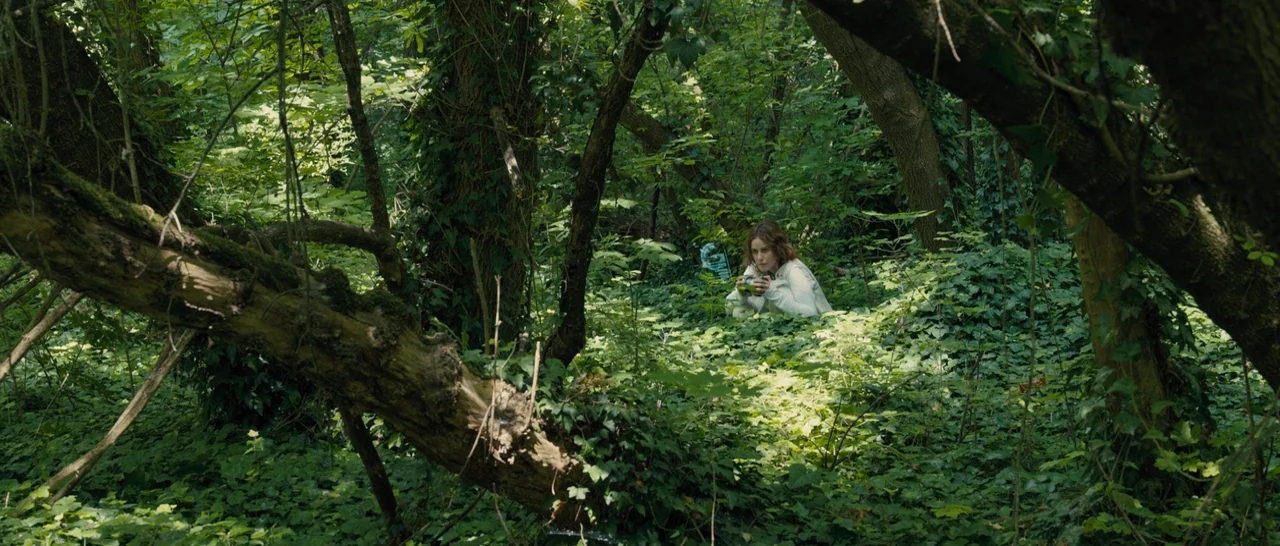

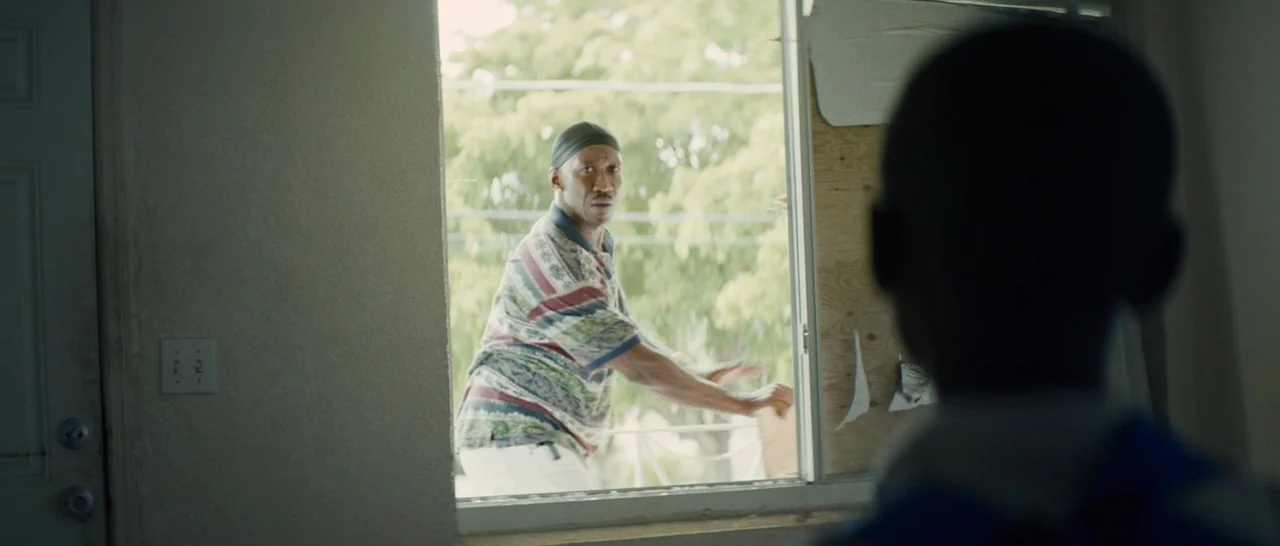
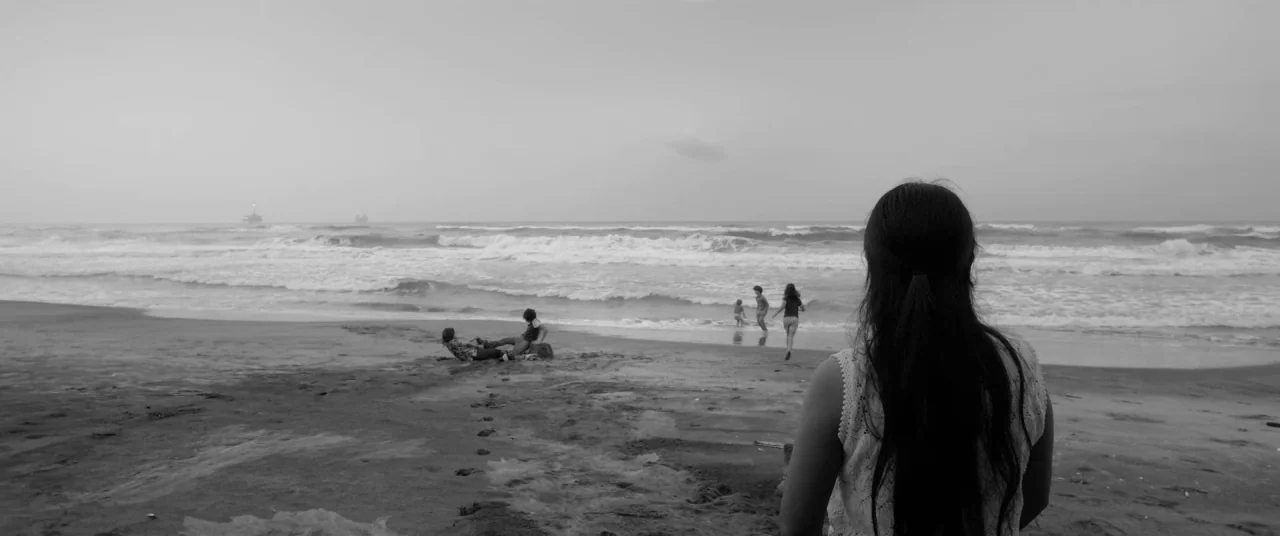


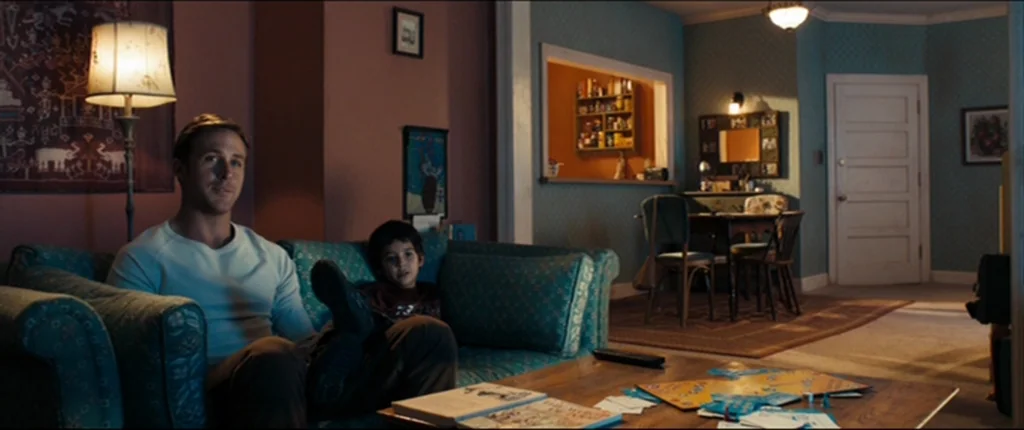
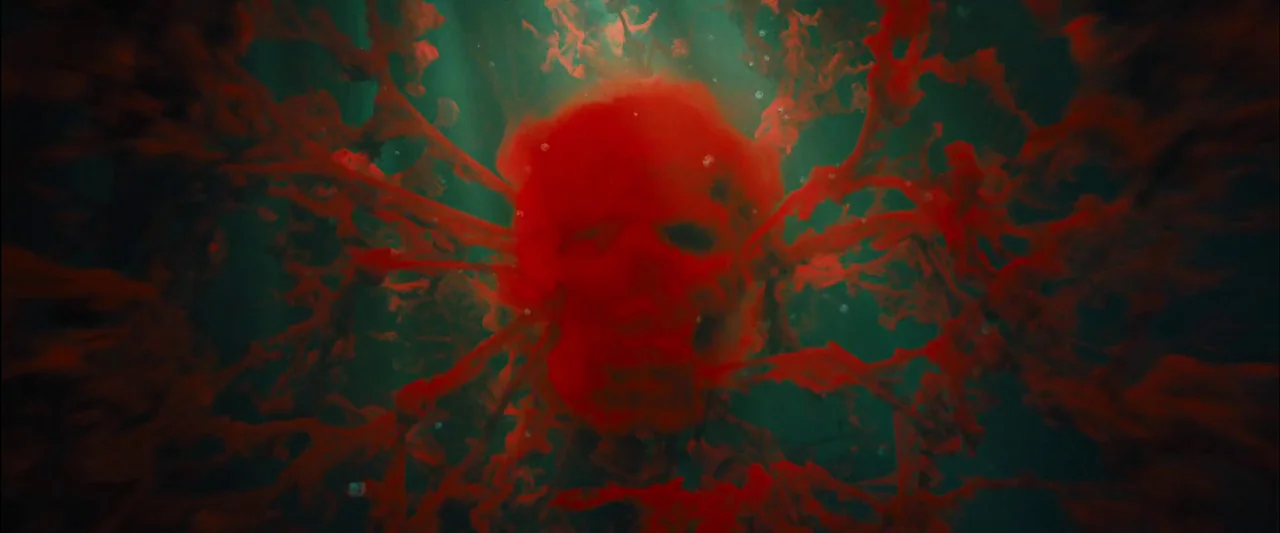
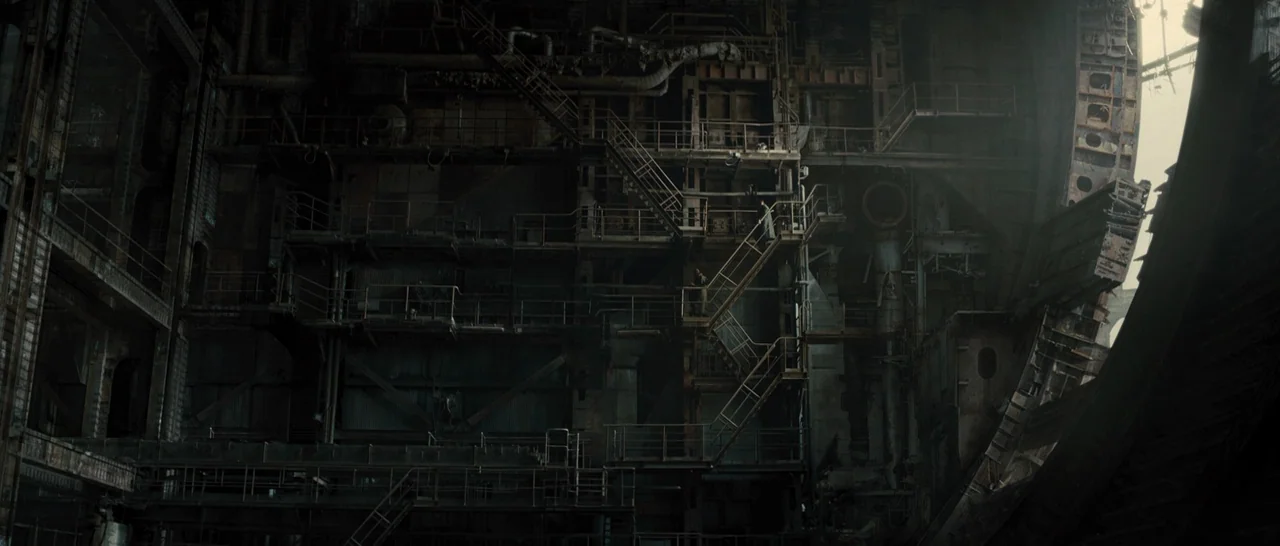


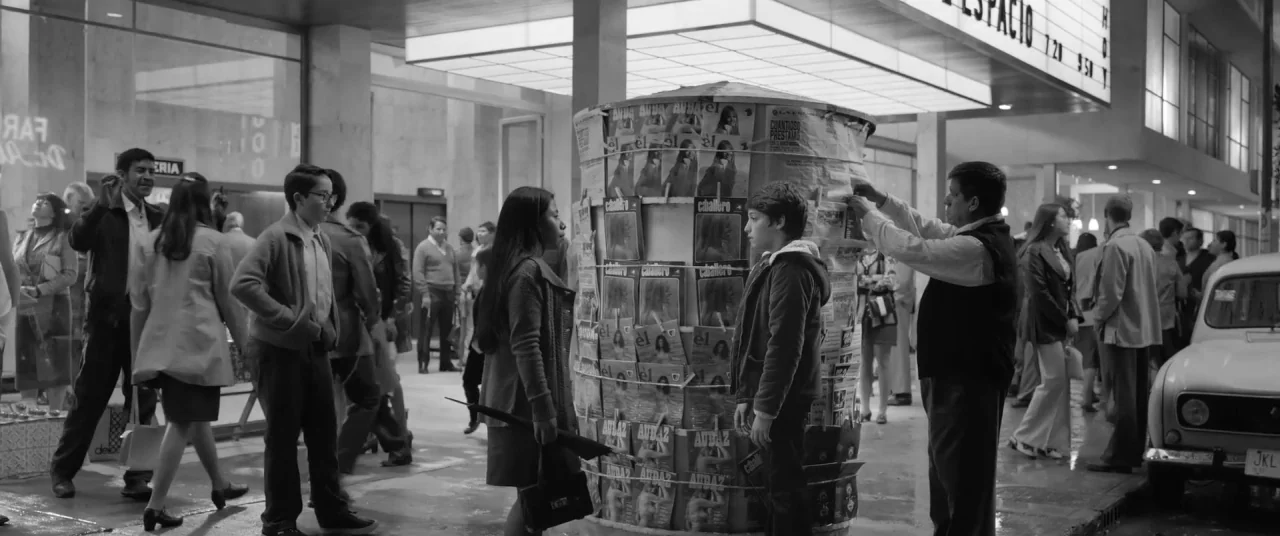
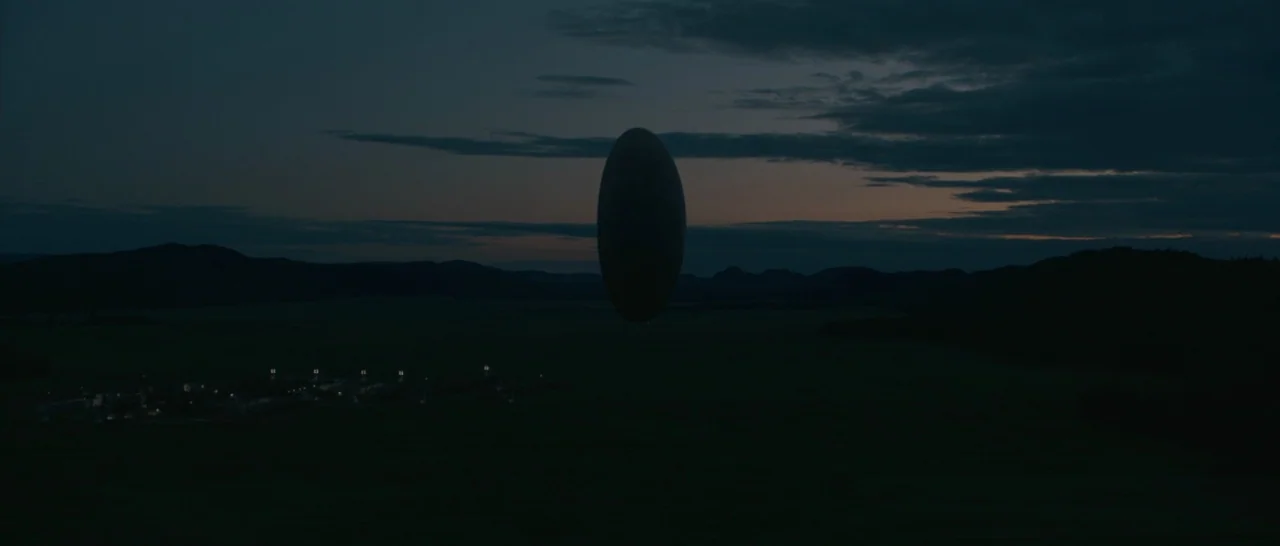

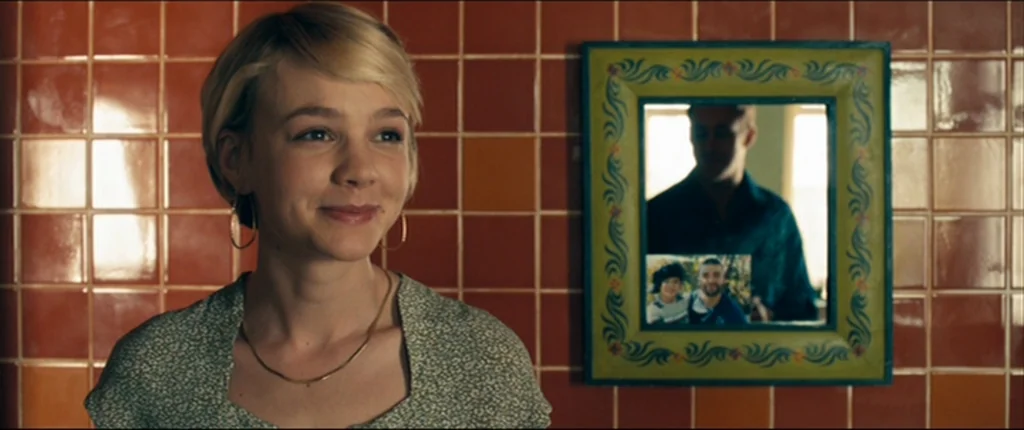
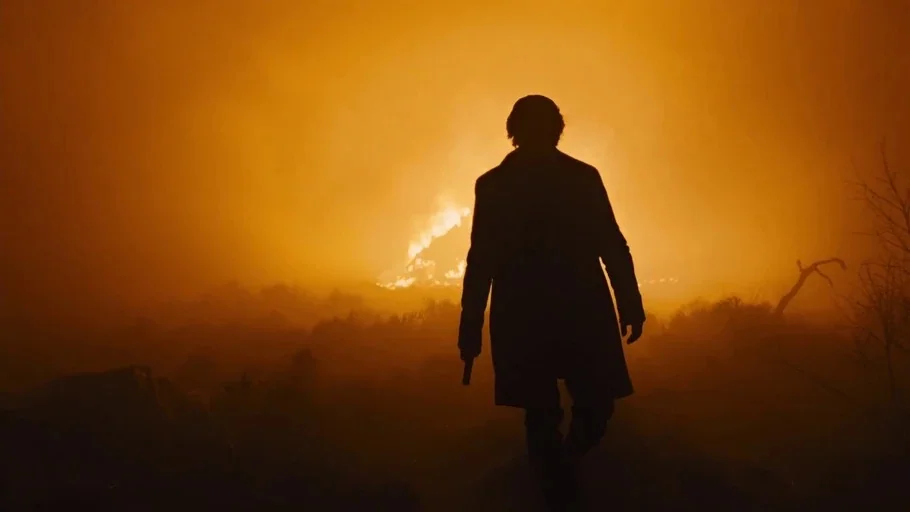
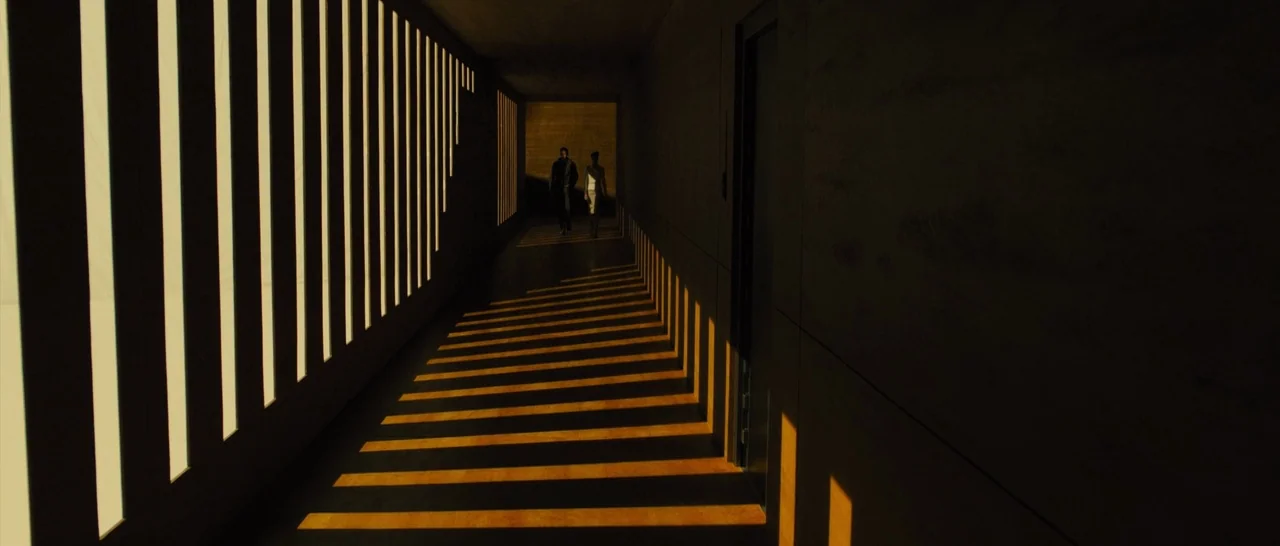
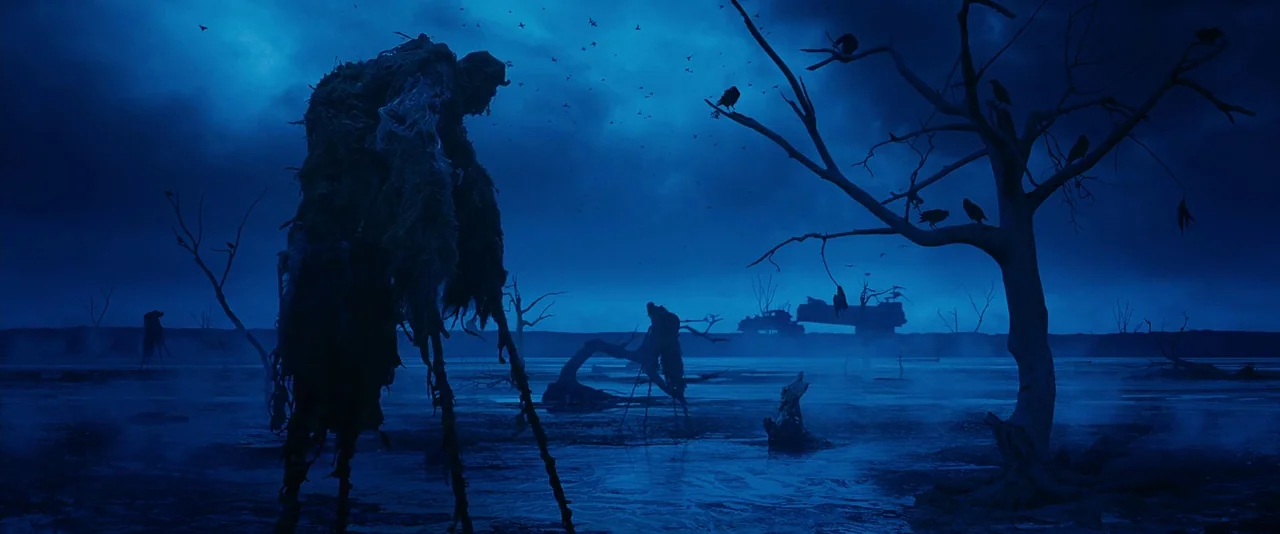

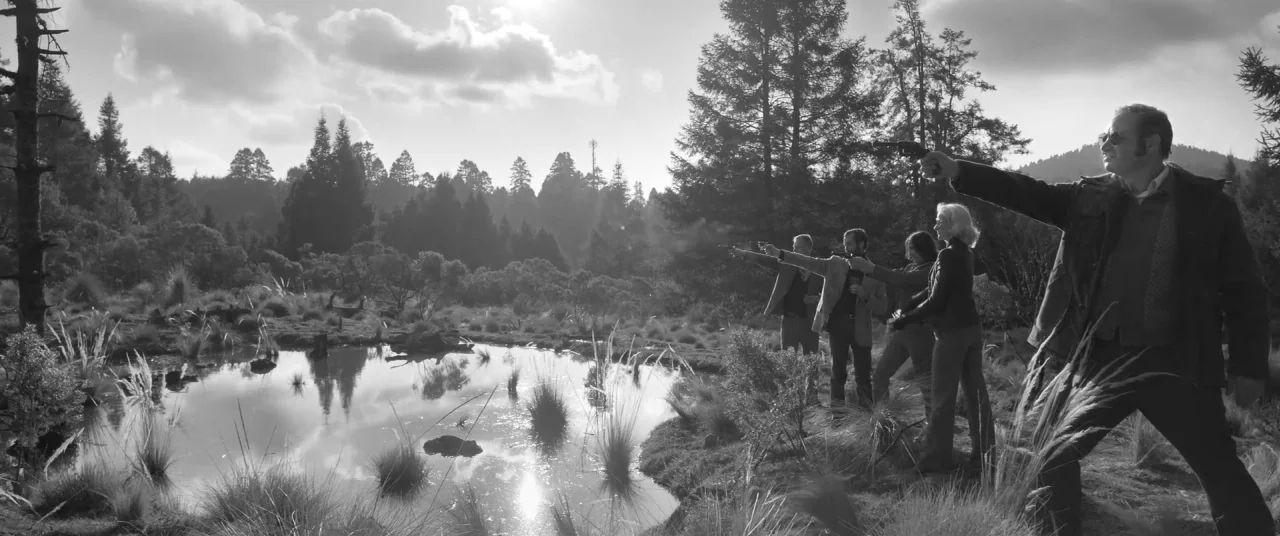

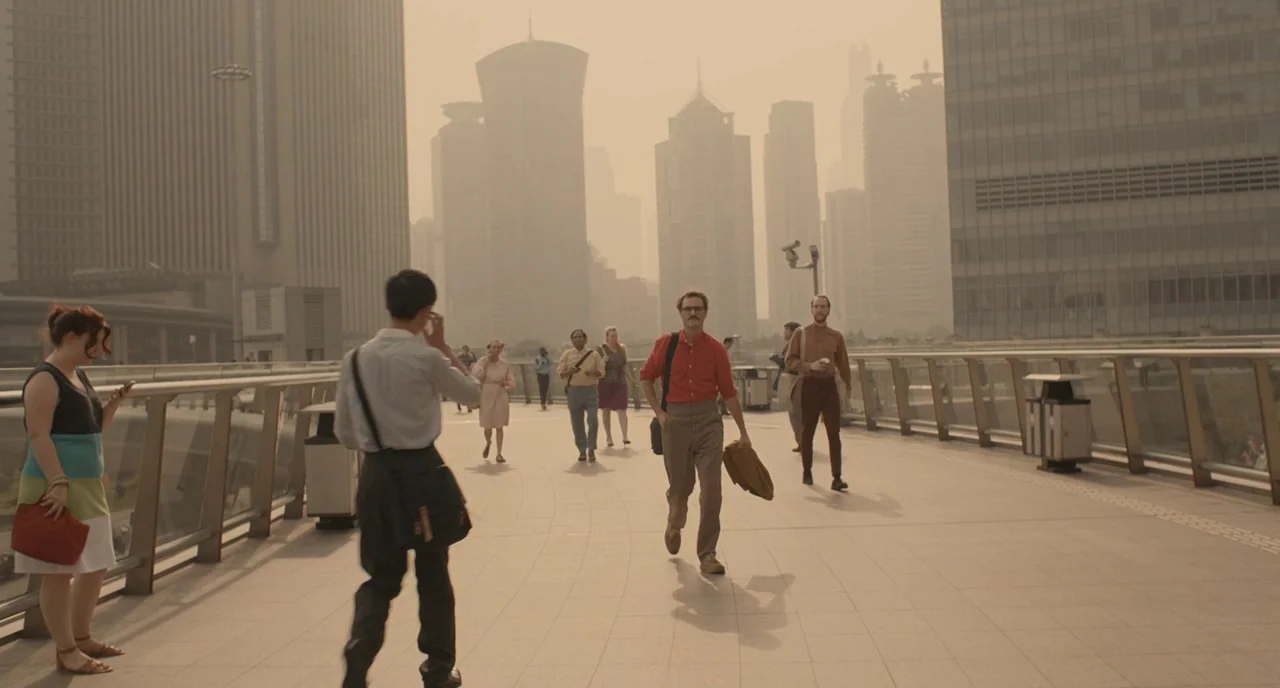
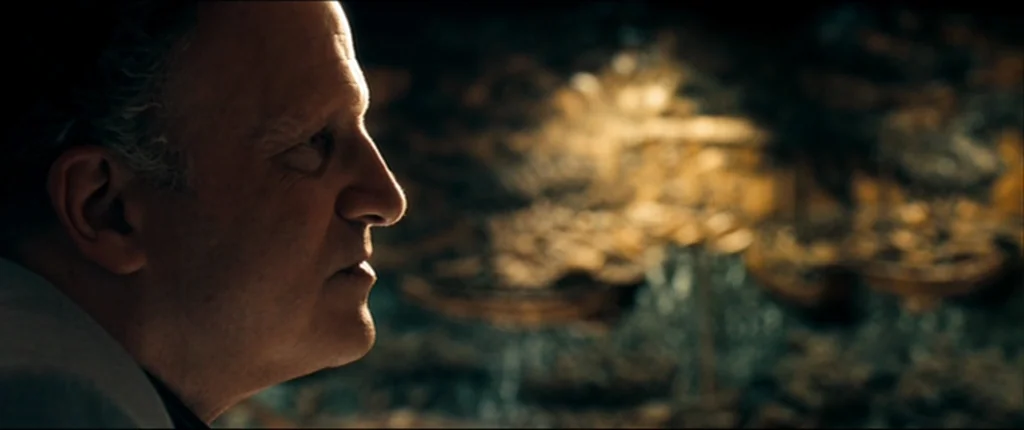
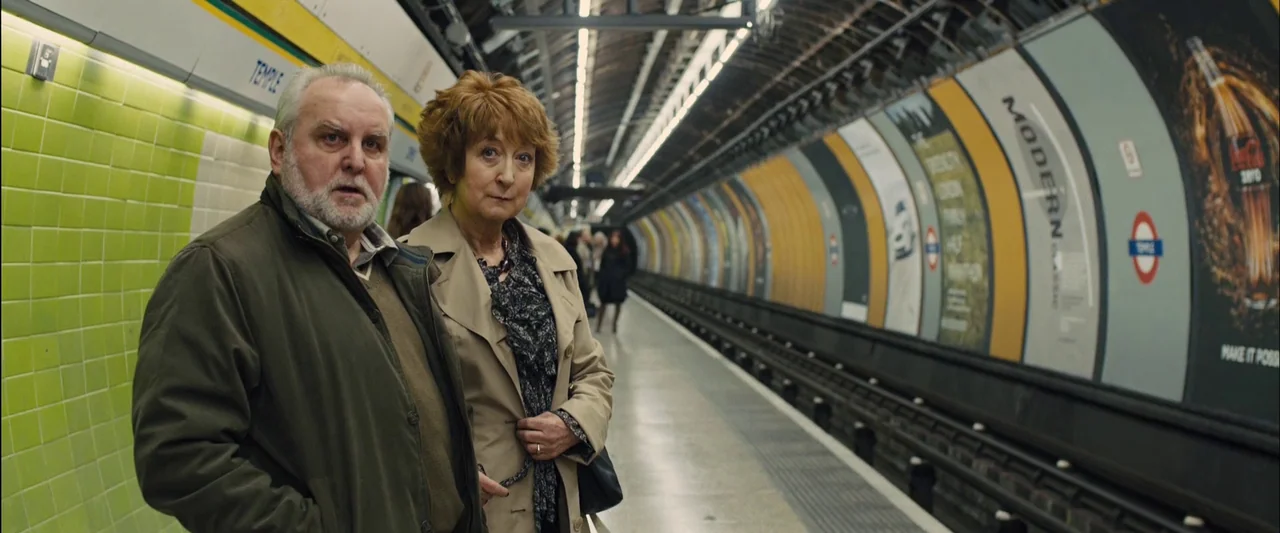
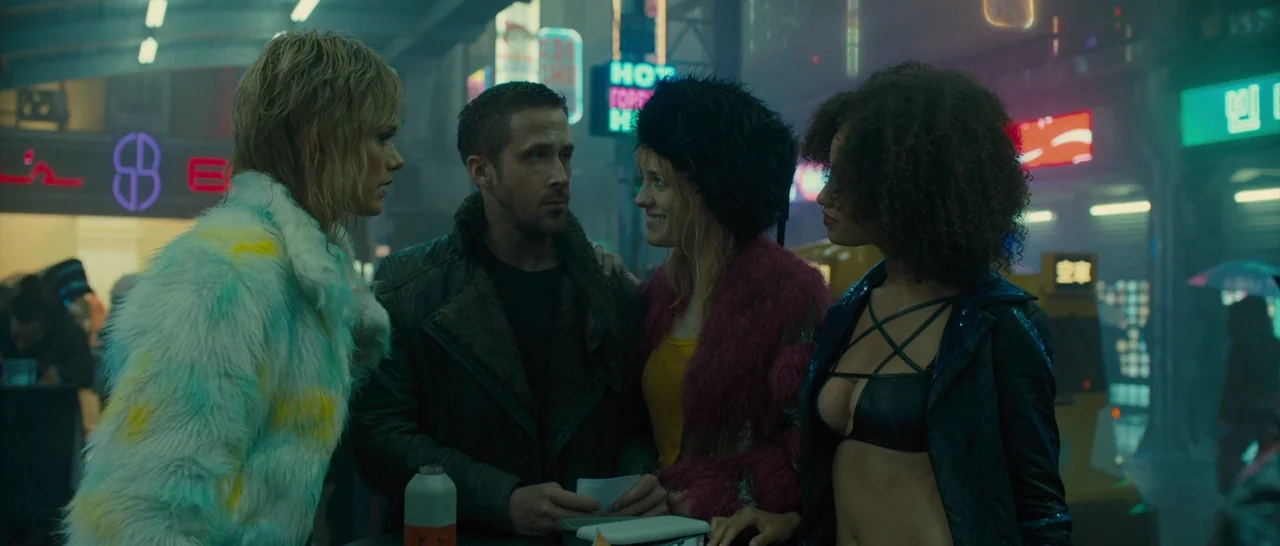
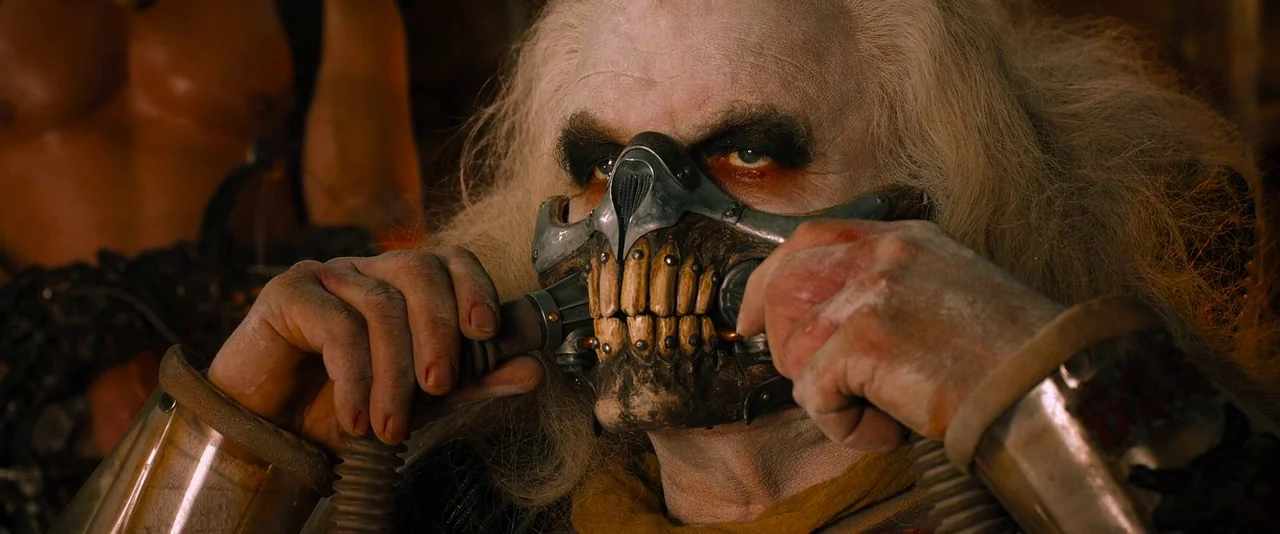
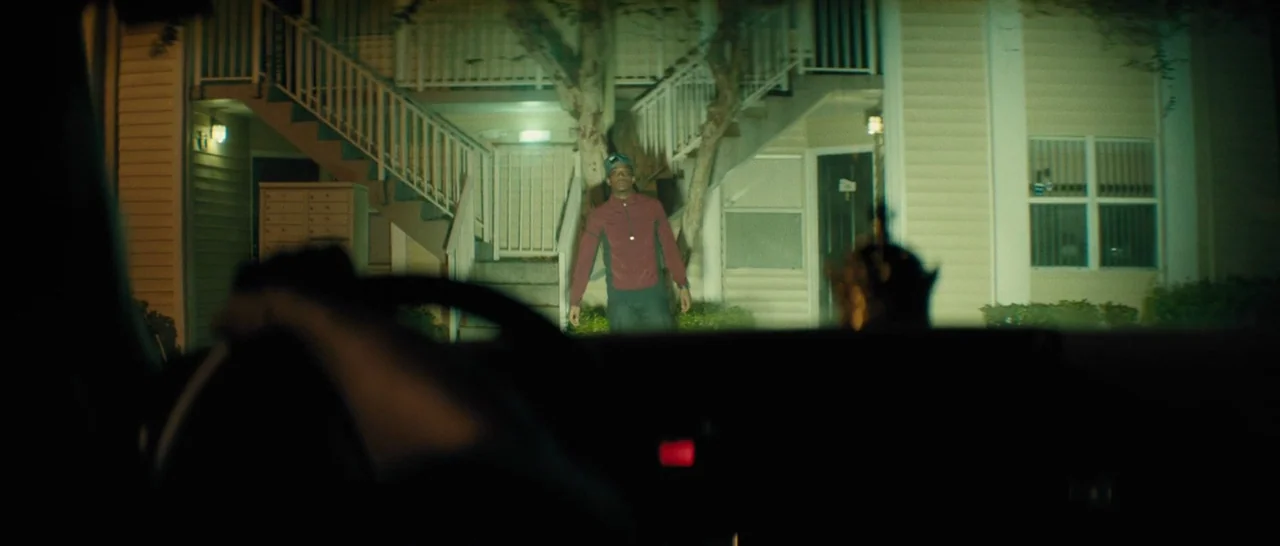


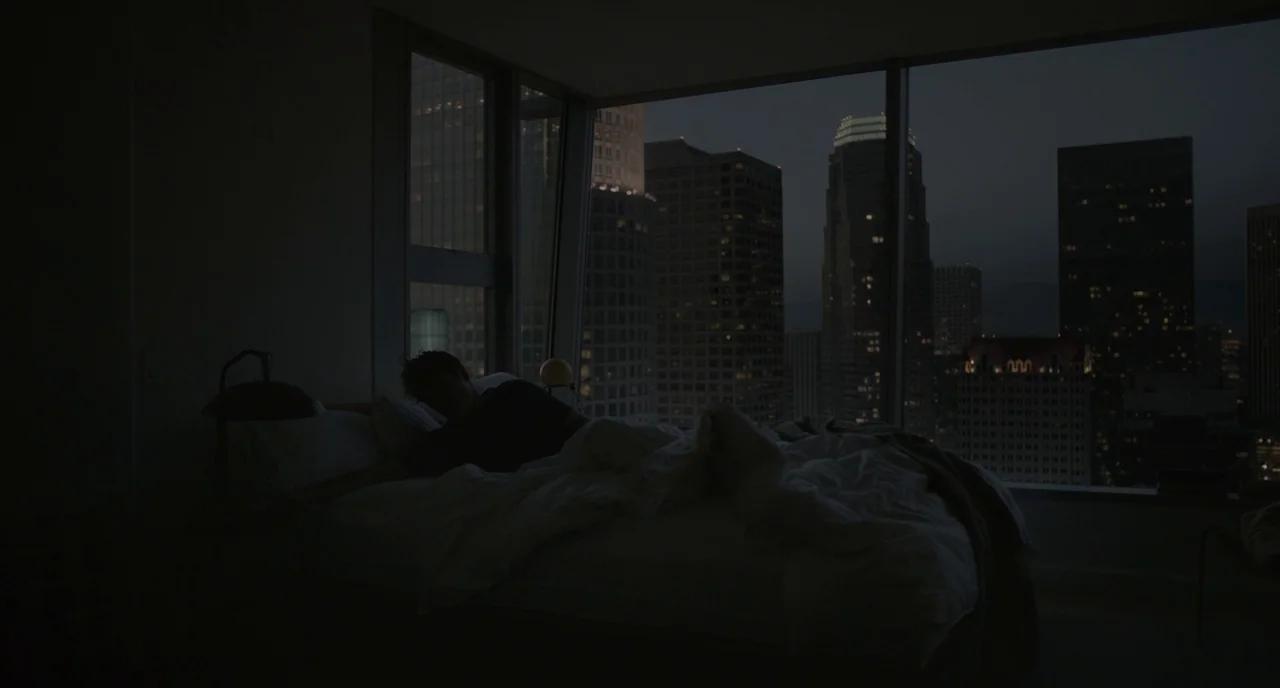
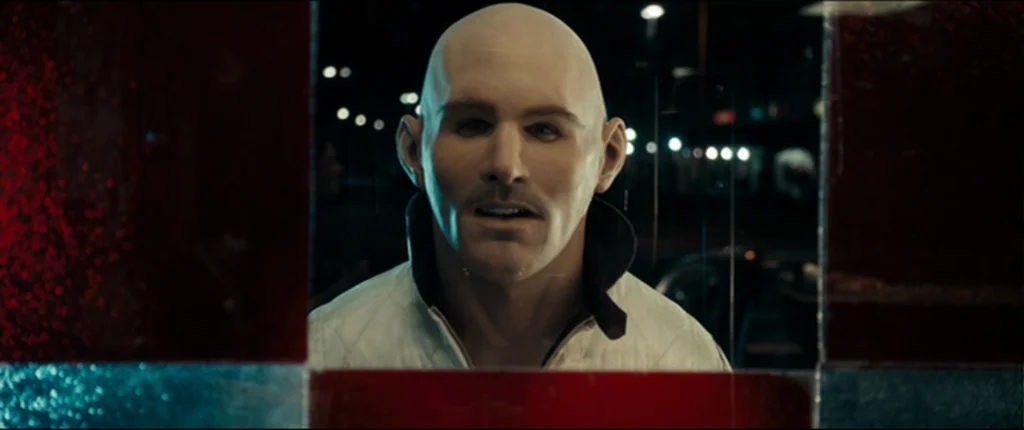

32 more — and 5,000+ films behind them.
Why filmmakers switch from ShotDeck
- —The deepest indexing in the category. Every frame carries 75 fields most tag systems never touch: lighting key and quality, lens character, shot size and framing, colour, mood, film stock look, time of day. Search on any of it, alone or combined. That depth is what makes the search work — you cannot filter on how a scene was lit unless somebody recorded it.
- —Comparable scale, our own team. On frame count we are on par with ShotDeck, and the tagging is done by our own team rather than bought in — which is why the per-frame depth holds up across the whole library instead of the popular titles.
- —Professional integrations. The most complete machine interface of any stills library: a REST API with 11 endpoints, an MCP server with four tools and an npm SDK. Studios and platforms call the library from their own tools rather than browsing it in a tab.
- —Curated by filmmakers, not scraped. These are not machine-dumped screencaps. Sets are hand-picked and reviewed with working cinematographers and filmmakers — our test users — then indexed by AI. Curation decides what is worth your eye; metadata makes it findable.
- —Plain-language search. Describe the shot the way you think: "silhouette against a window, low-key", "wide anamorphic desert at golden hour". No tag taxonomy to learn.
- —Visual similarity. Drop in any image and find frames that match its light, color and composition.
- —Moodboards & lookbooks built in. Save frames to canvas moodboards, shot boards and exportable lookbooks without leaving the app — reference to deliverable in one place.
- —Developer friendly. Built by filmmakers who are also developers — FrameThrower is designed to plug into modern, AI-assisted and agentic production workflows, not just a browser tab.
- —Shaped by its users. Product features are actively sourced from the filmmakers and audience using the tool — what working DPs and directors ask for is what gets built.
- —See it free before you commit. A free account includes full search across 5,000+ films — features, documentaries and animation. Paid plans add exports and higher limits. No card required.
Reachable by machines, not just by browser
This is the part ShotDeck has no answer to. FrameThrower is the reference app for the future creative: the library is callable from a REST API, an MCP server and an npm SDK, so an agent can pull references into a moodboard, a lookbook, a shot board or a production pipeline without a human in the loop.
REST API — 11 endpoints, no rate limits
POST /search— plain-language searchPOST /similar— more frames like this onePOST /browse— filter by craft attributesGET /films— the catalogueGET /frames— one frame, full metadataGET /suggest— typeahead — free
MCP server — 4 tools
search_framesfind_by_craftfind_similarget_frame_details
Connect Claude or any MCP client to /api/mcp and search the library in conversation.
npm install framethrower-ai

curl -X POST https://framethrower.ai/api/v1/search \
  -H "Authorization: Bearer ft_YOUR_TOKEN" \
  -H "Content-Type: application/json" \
  -d '{"query": "neon-lit rainy street at night", "limit": 5}'
Free tier included. $2 of credits on signup, no card, and they work through the API from the first call — no plan to buy first. After that it is usage-based: $1 = 1,000 credits, a search costs 2, so $1 buys 500 searches. Credits never expire.
Built by filmmakers and ads creatives, for film professionals. People who have shot, cut and pitched for a living — which is why the index is organised around lighting, lens and framing rather than keywords.
Other ShotDeck alternatives worth knowing
- —FilmGrab. Free hand-curated galleries of ~50–70 stills per film. Lovely selection, but browse-only — there is no way to search by content.
- —shot.cafe. Free tag-based browsing with detailed shot tags, across a smaller catalog of films.
- —MovieStillsDB. A large database of promotional and production stills — publicity photos more than cinematography reference.
Try FrameThrower free
Search stills from 5,000+ films by lighting, lens, shot size, color, mood — or plain language. No card required.
Common questions
- Does FrameThrower have an API?
- Yes — a REST API with 11 endpoints and no rate limits, an MCP server with four tools (search_frames, find_by_craft, find_similar, get_frame_details), and an npm SDK (npm install framethrower-ai). A free account gets $2 of credits that work through the API from the first call, no card and no plan required; after that it is usage-based at $1 = 1,000 credits, and a search costs 2, so $1 buys 500 searches. Docs at framethrower.ai/developers.
- Is FrameThrower a free ShotDeck alternative?
- Yes — you can see FrameThrower before you commit to anything. A free account includes plain-language search across the full library of 5,000+ films, and paid plans add exports and higher usage limits. No card required to start.
- How is FrameThrower different from ShotDeck?
- ShotDeck is a stills library behind a paid membership, browsed with tags and filters. FrameThrower indexes every frame at a deeper level — 75 fields covering lighting key and quality, lens character, shot size, framing, colour, mood and film stock look — so you search the way you think, or start from a reference image. On frame count the two are on par; we get there with our own tagging team. And FrameThrower is the one with a professional integration path: a REST API, an MCP server and an npm SDK that studios and platforms call directly. You can try all of it free first.
- Are FrameThrower frames just automatic screencaps?
- No. The sets are curated: frames are picked and reviewed with working cinematographers and filmmakers who use FrameThrower as test users, then every frame is indexed by AI across lighting, lens, framing, color and mood. You get the judgment of a curated library with the depth of full metadata search.
- What can I search by?
- Lighting key and quality, lens character, shot size and framing, color and mood, film stock look, time of day — or any plain-language description that combines them. Every result links back to its film, director and cinematographer.
- What is FrameThrower used for?
- Shot references and lookbooks, moodboards, pitch decks, studying how a director or cinematographer handles a scene, and finding frames to guide AI image and video generation — in the app or in developer and agentic workflows.
Explore the public catalog: the database · all films · cinematography techniques