
Extreme wide shot
EWSextreme long shotXLS
The camera sits very far back; the landscape fills the frame and people are specks.
Vodafone
How much of the world the frame holds — from a whole city to a single eye.
The camera sits very far back; the landscape fills the frame and people are specks.

The camera holds back to show the whole subject and the place around them.

The camera frames a person head to toe.

The camera frames a person from the waist up.

The camera frames head and shoulders, cutting at the chest.

The camera moves in until the face fills the frame.

The camera frames a single detail: an eye, lips, a fingertip.

The camera cuts in tight on an object or a hand the scene needs us to see.
Where the camera sits relative to the subject, and how that makes us feel about it.

The camera sits at the subject’s eye height, looking straight on.

The camera sits below the subject and looks up.

The camera sits above the subject and looks down.

The camera points straight down from directly above.

The camera flies high above on a drone or helicopter.

The camera lies on the ground and looks almost straight up.

The camera rolls sideways so the horizon tilts.

The camera becomes the character’s eyes.
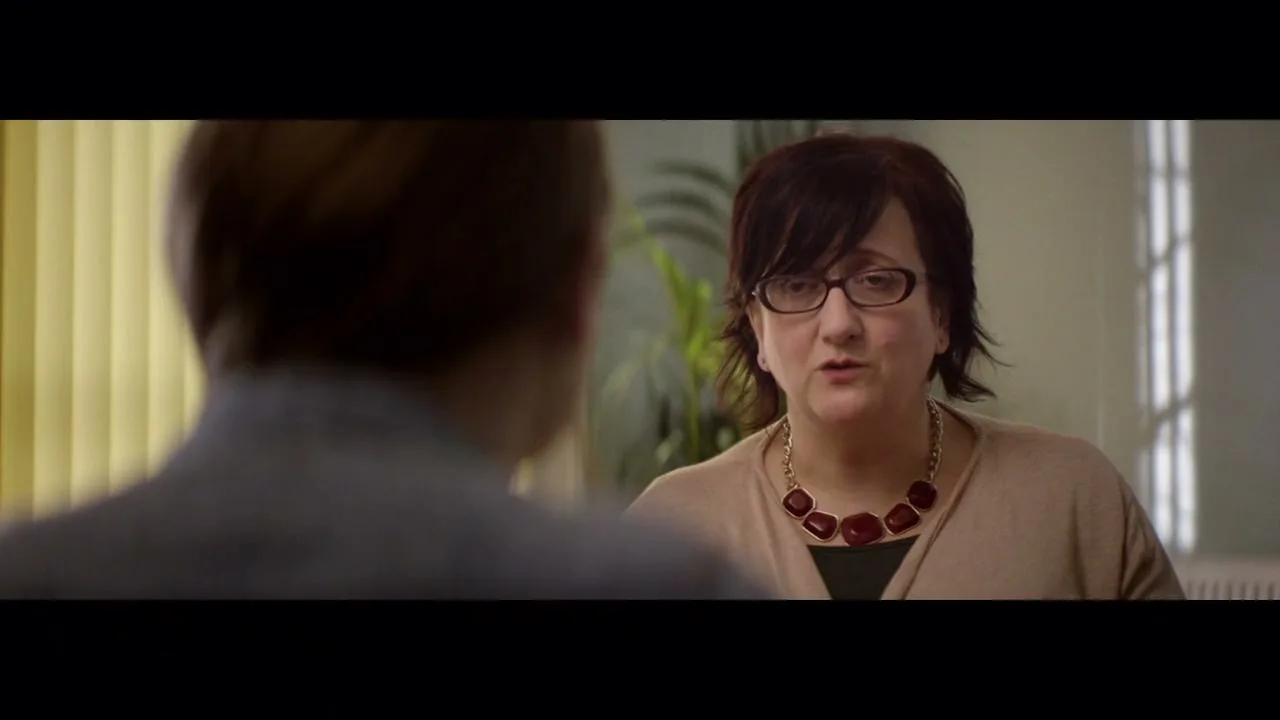
The camera looks past one person’s shoulder at another.
How the camera travels through the scene — and what the move tells the audience.

The camera stays locked off; only the scene moves.
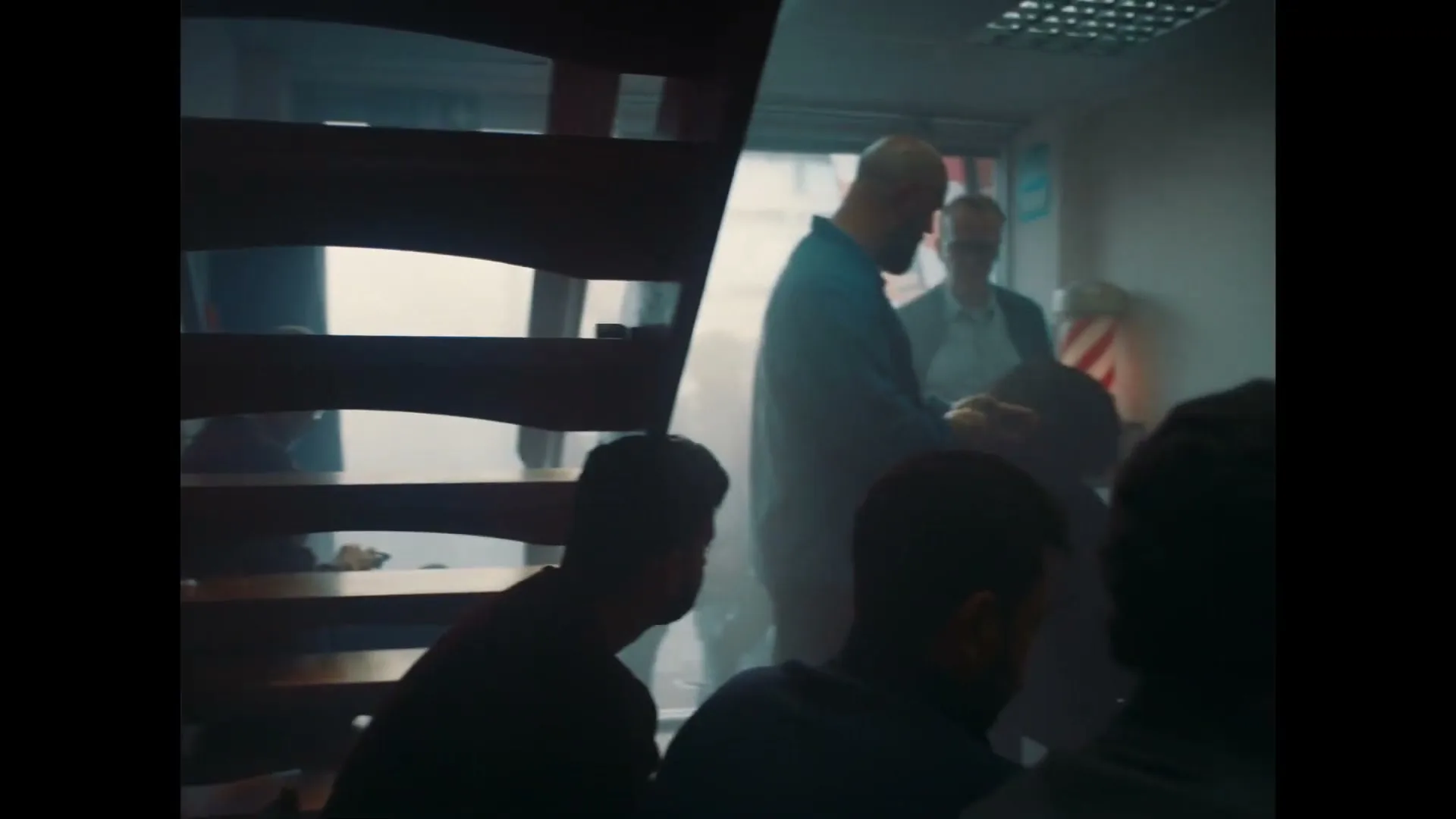
The camera turns left or right from a fixed spot.

The camera tips up or down from a fixed spot.

The camera travels forward, toward the subject.

The camera travels backward, away from the subject.

The camera travels with a moving subject, beside or behind them.

The camera is held by hand, so it breathes and shakes.

The camera rises or drops through the air on an arm.

The camera circles around the subject.

The camera spins so fast the picture smears into blur.

The lens zooms in fast and suddenly on the subject.

The camera moves one way while the lens zooms the other; the subject holds size and the background warps.
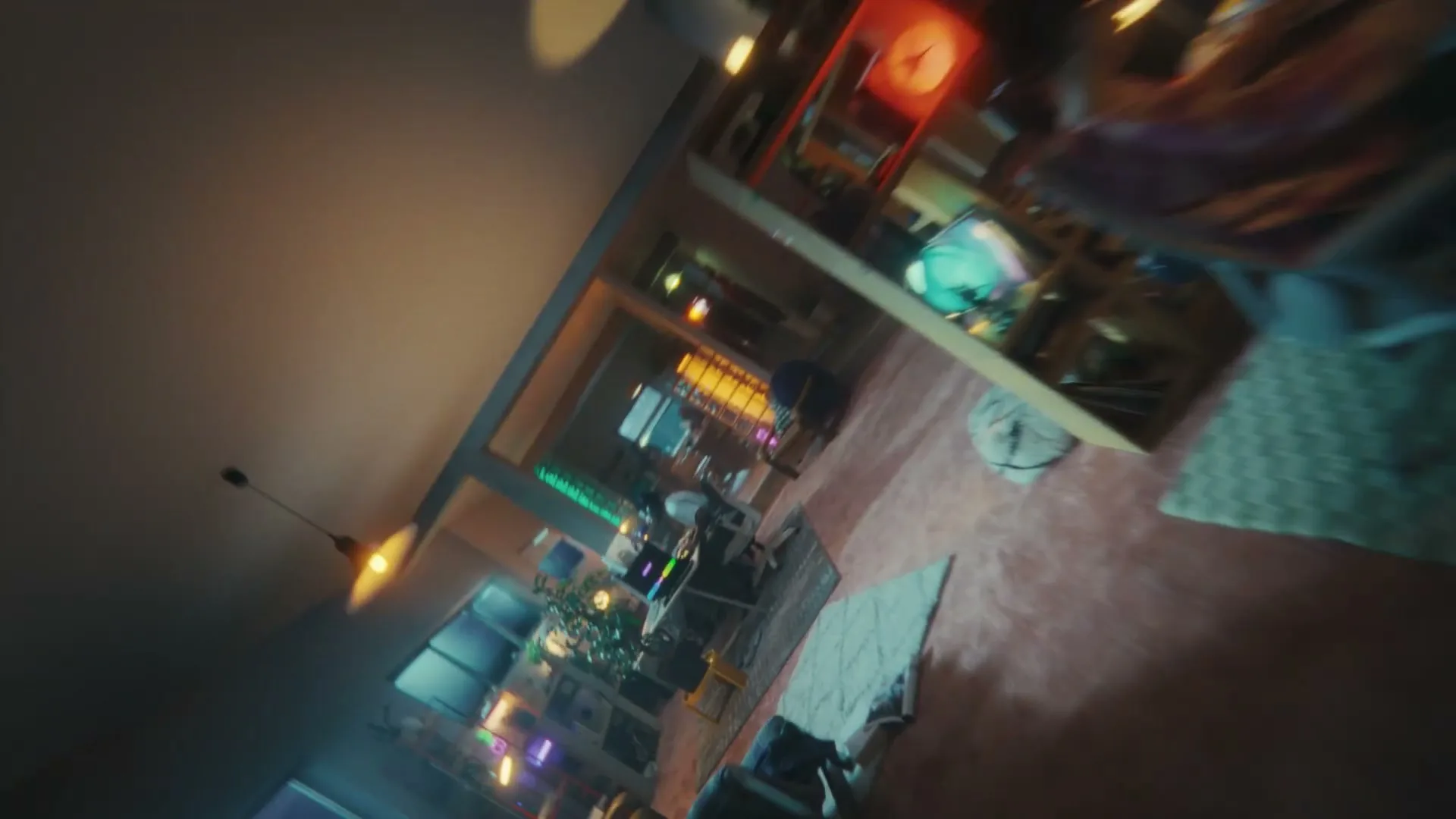
A small racing drone flies the camera, diving and weaving through spaces.

The camera is strapped to the actor facing them; they stay still, the world lurches.
What the glass does to space, depth and attention.

The lens keeps a thin slice sharp and melts the rest into blur.

The lens keeps near and far both sharp.

The lens shifts focus from one thing to another mid-shot.

The lens magnifies something tiny until it fills the frame.

An ultra-wide lens bends straight lines into curves.

A long lens from far away squashes distance, so the background looms.

A tilted lens blurs top and bottom, so real places look like toy models.

The camera faces a light so it streaks and glows across the lens.
Where things sit inside the rectangle, and why it matters.

The camera centres the frame so both halves mirror each other.
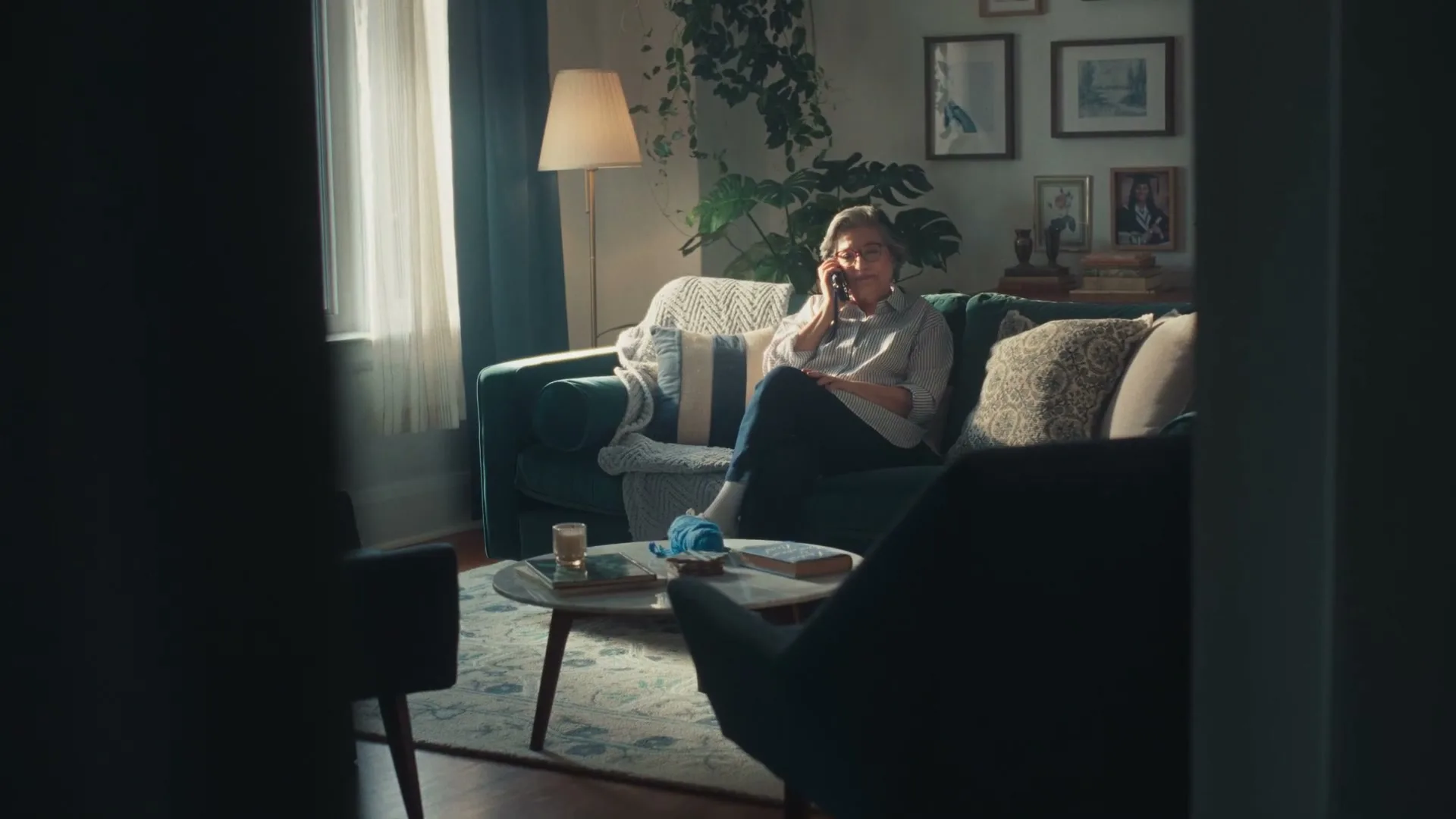
The camera shoots through a door, window or mirror that frames the subject.

The camera leaves the subject small in a large empty frame.

The camera exposes for a bright background, turning the subject into a dark shape.
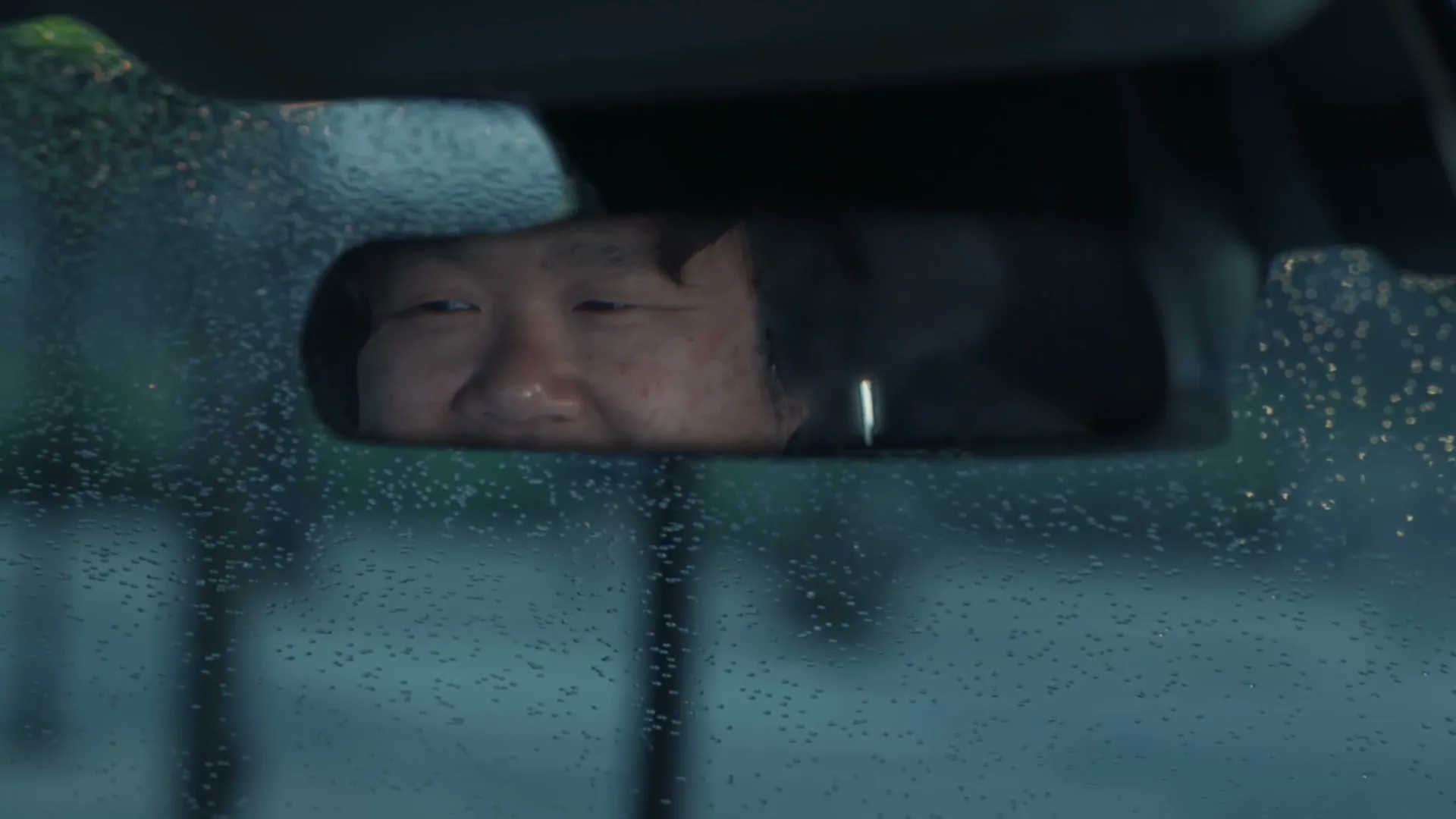
The camera shows the subject in a mirror, glass or water.

The camera holds two people in one frame.

The camera holds still on a crowd staged like a painting.
The lighting set-ups that define a mood before anyone speaks.

The camera sees mostly shadow, with a few hard pools of light.

The camera sees a bright, even, almost shadowless image.

The camera catches hard light carving bright and dark across the subject.

The camera shoots in the low, warm sun after sunrise or before sunset.

The camera is lit only by signs, screens and lamps in the scene.

The camera records no colour, only light and shade.

The camera faces a light behind the subject, rimming them in glow.
Bending time on camera: slower, faster, frozen, reversed.

The camera shoots at a high frame rate, played back slower.

The camera takes a frame every few seconds, so hours pass in seconds.
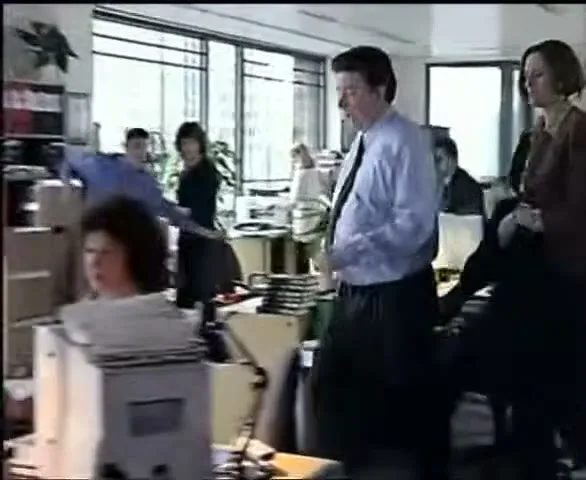
The camera undercranks, so action plays faster than life.
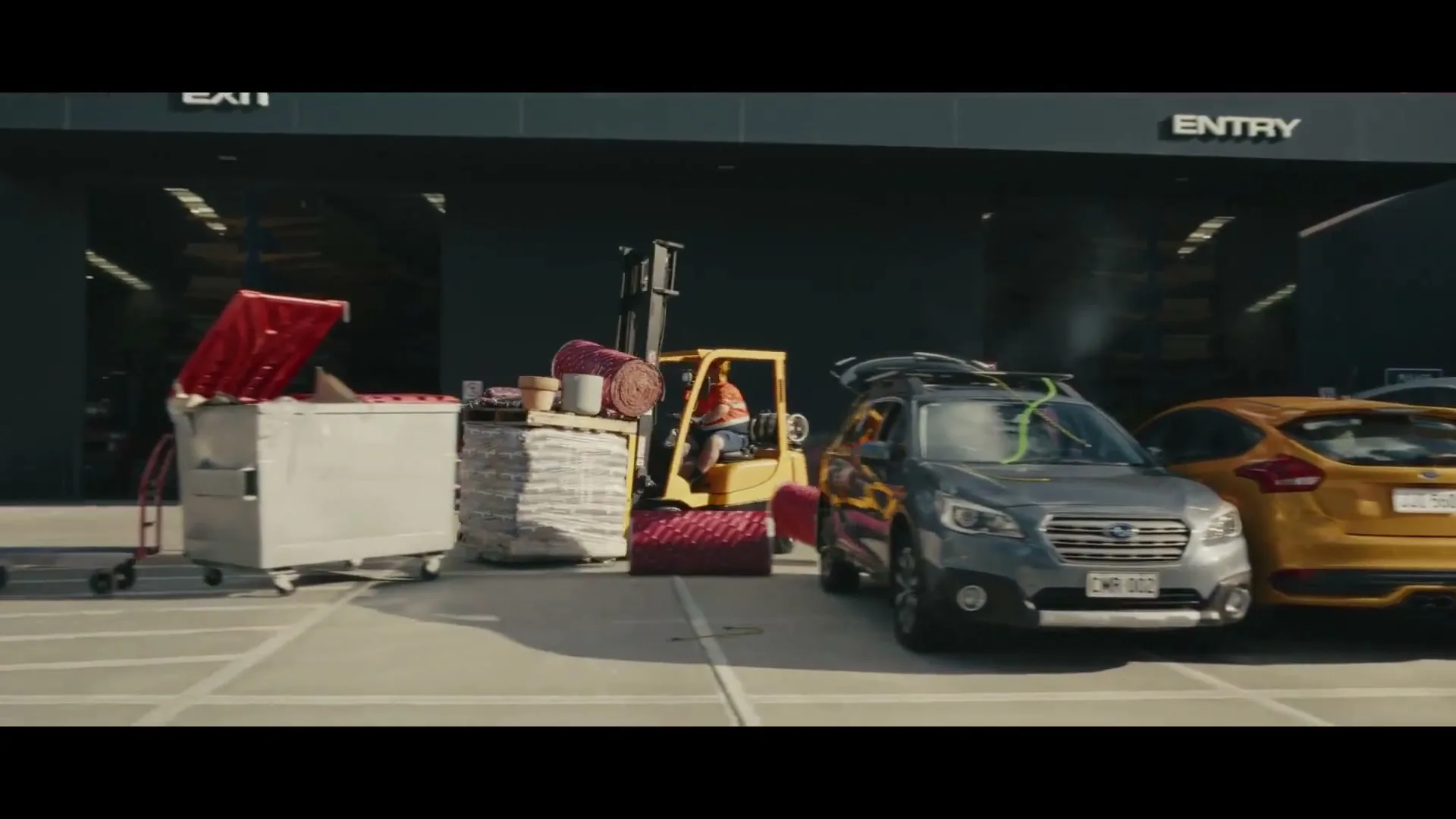
The footage plays backwards.
How one shot hands over to the next.

The frame splits to show two or more shots at once.

One shot fades through into the next.

Two images are layered on top of each other.
Whole looks and production methods, from stop motion to screen life.

The camera shoots single frames while objects move a little between each.

Drawn or flat digital images replace the camera.

A virtual camera films computer-made images that look real.

Animated type, shapes and design fill the frame.
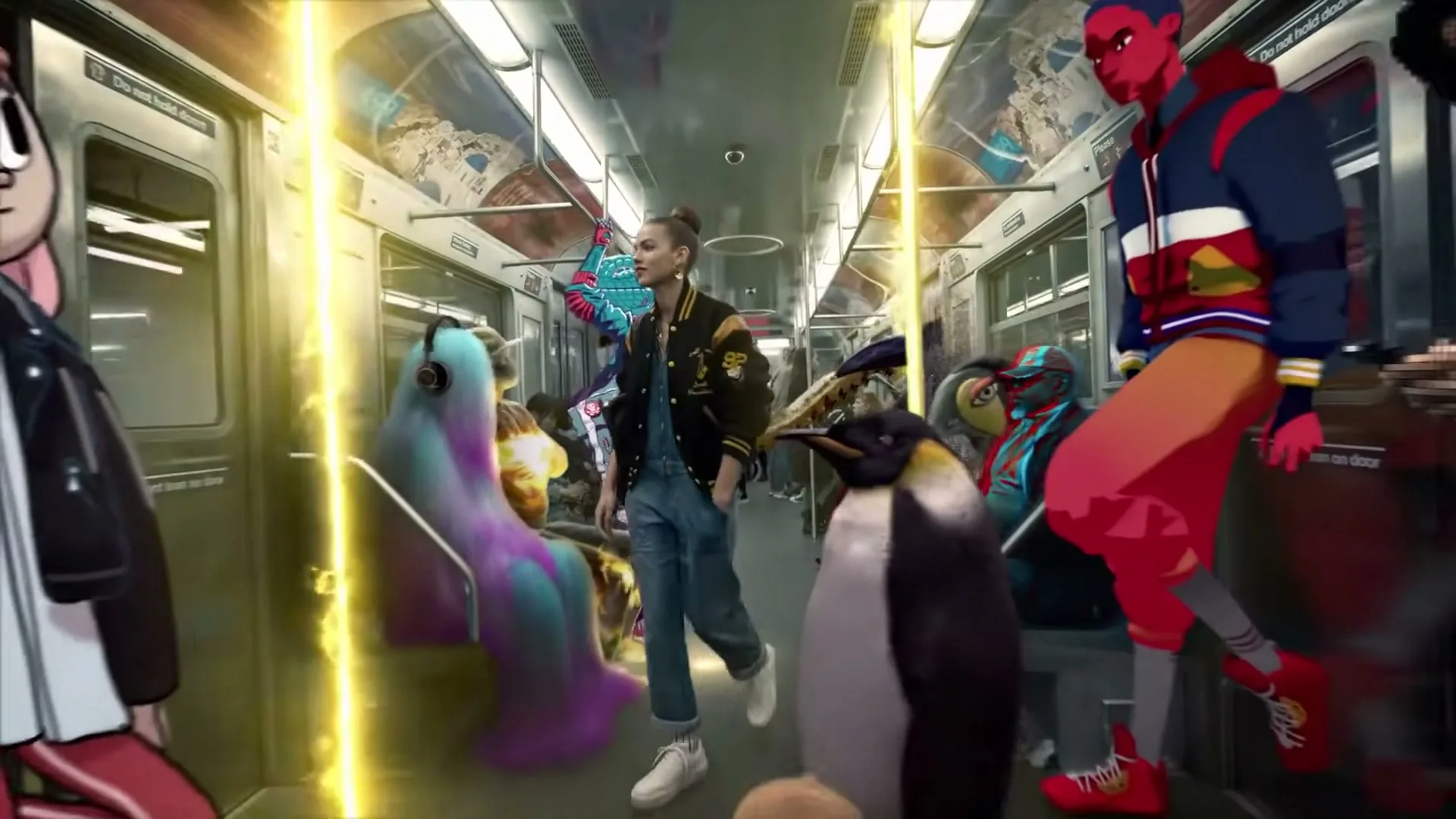
Live-action footage is combined with drawings, collage or graphics.

Old film or broadcast footage is reused.

The camera is the phone or computer screen itself.

A phone camera, held at arm’s length, faces the person talking.

The camera goes below the surface.
Effects built in post — impossible moments that look like they were caught on camera.

The action freezes in mid-air while the camera keeps moving around it.

One face, person or object smoothly transforms into another.
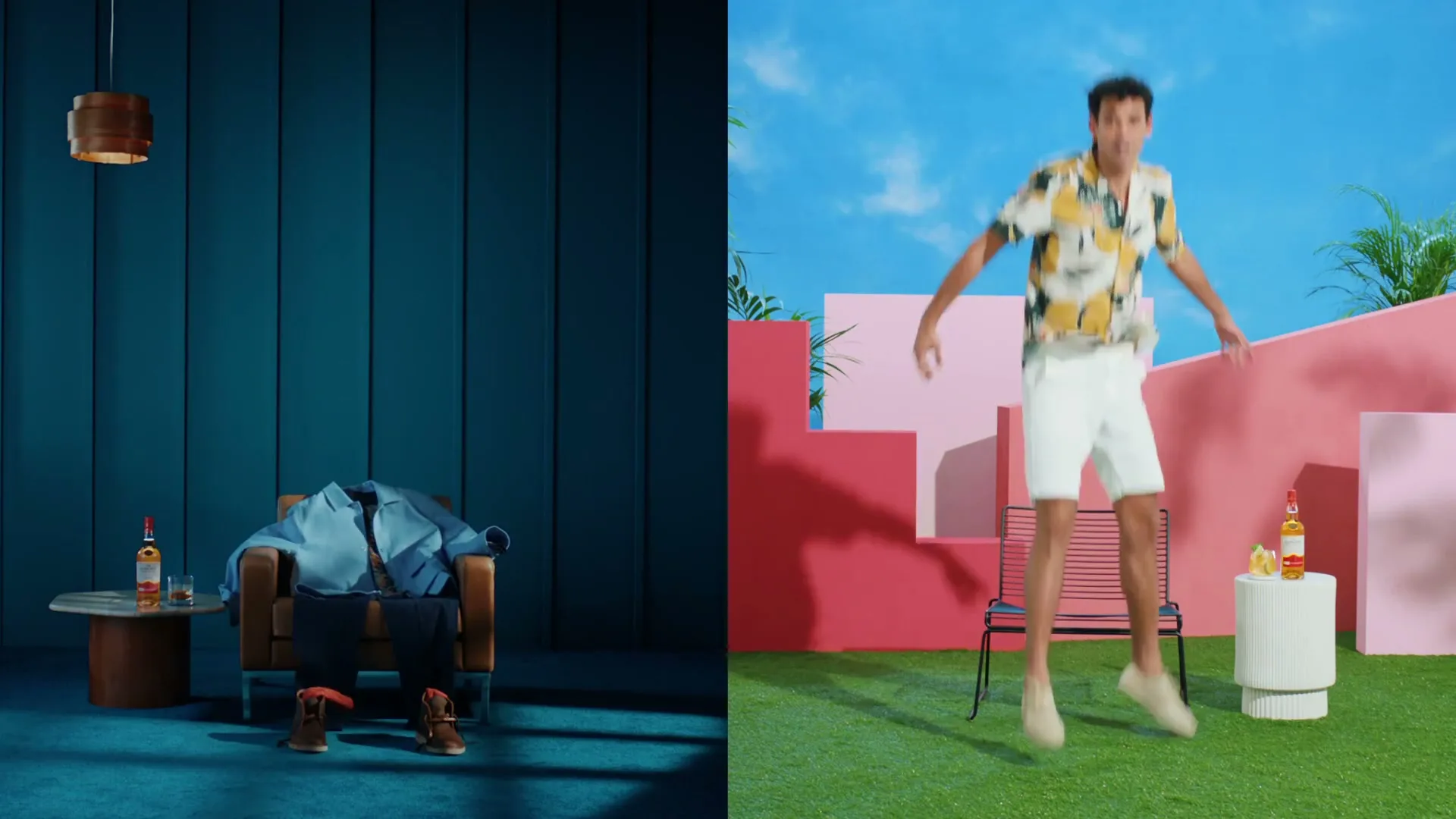
Two shots are stitched so cleanly they look like one continuous take.
A real set is extended digitally into a much bigger world.

A computer-made creature or character shares the frame with real people.

Liquid swirls and splashes around a product in impossible, perfect shapes.

A product flies apart into its parts in mid-air, then snaps back together.

A person or object breaks apart into dust or particles that drift away.

The same actor appears more than once in the same shot.