Movie colour palettes
Colour palettes for 5,277 films, measured rather than picked. Every frame carries five extracted colours; pooled per film, they give the six dominant colours with the share of the image each one covers, plus warmth, saturation and luminance.
1,568 films are well-known enough to rank. 475 are monochrome and are ranked separately — hue says nothing about a black-and-white film.
The warmest films
Highest lean toward red and orange, weighted by saturation. Black-and-white films are excluded — they have no hue to lean.
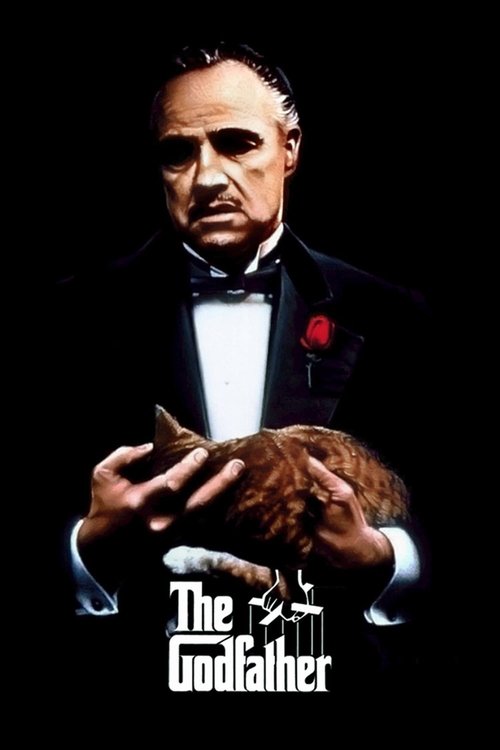
The Godfather
1972 · Francis Ford Coppola
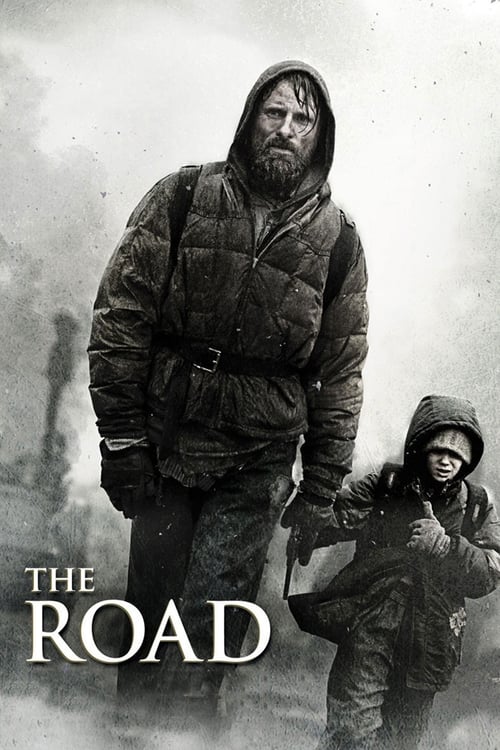
The Road
2009 · John Hillcoat
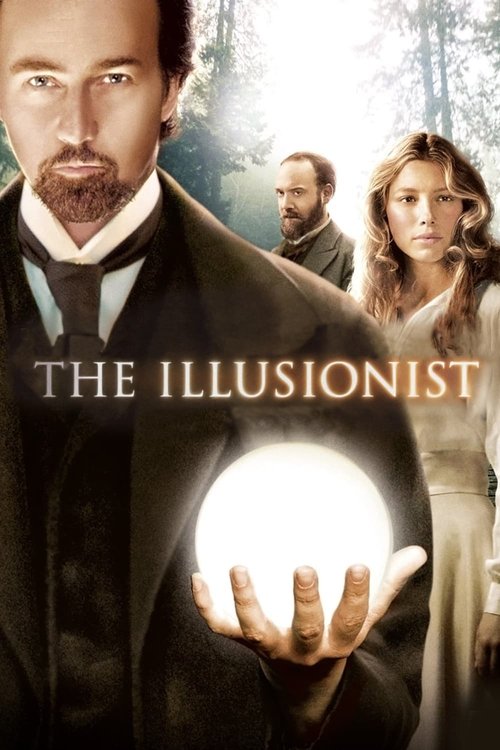
The Illusionist
2006 · Neil Burger
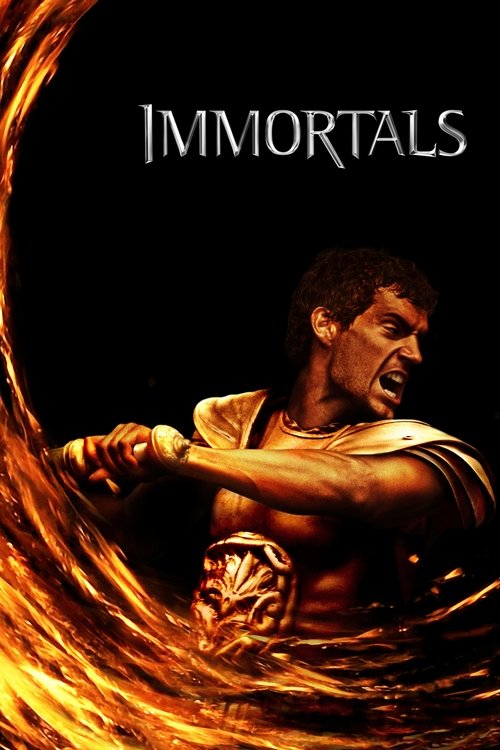
The Immortals
2011 · Tarsem Singh
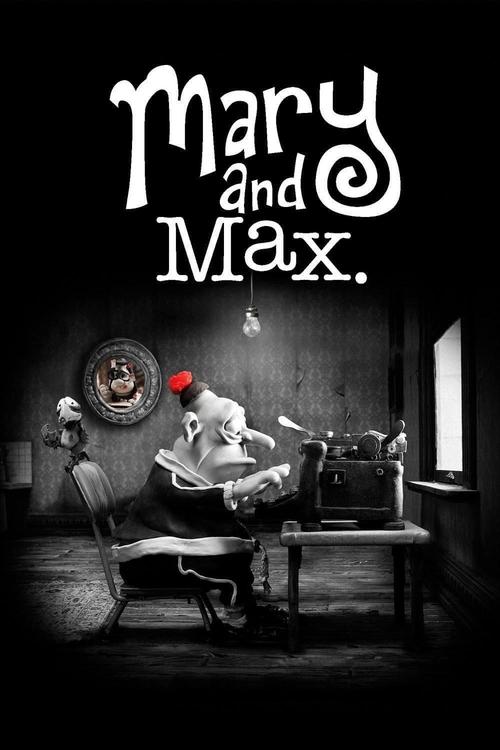
Mary & Max
2009 · Adam Elliot
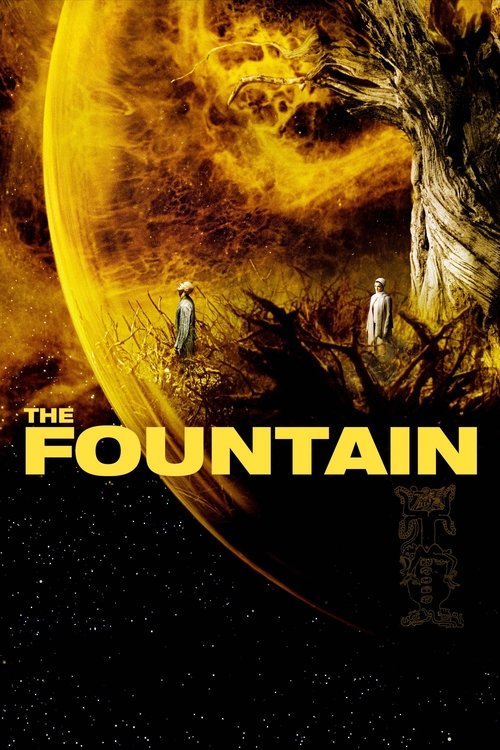
The Fountain
2006 · Darren Aronofsky
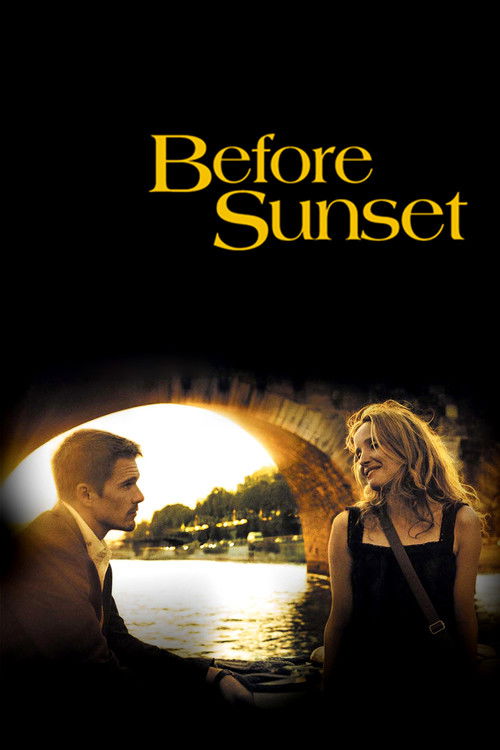
Before Sunset
2004 · Richard Linklater
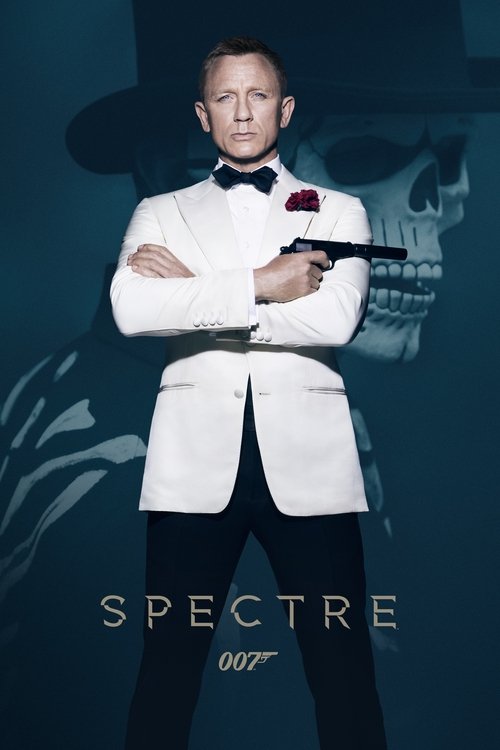
Spectre
2015 · Sam Mendes
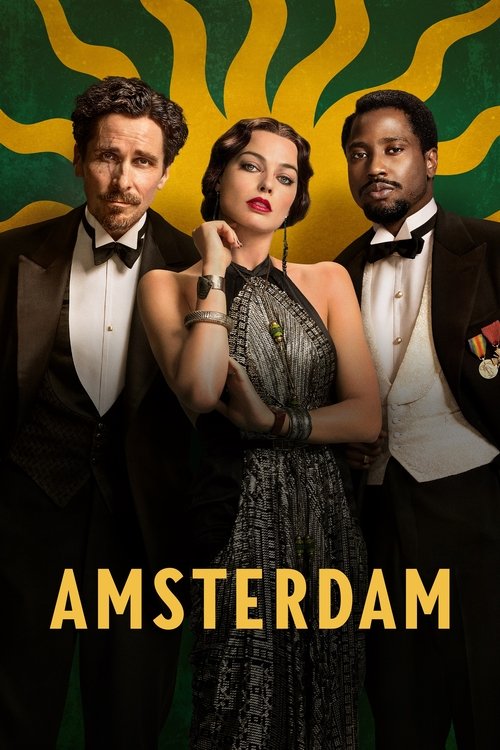
Amsterdam
2022 · David O. Russell
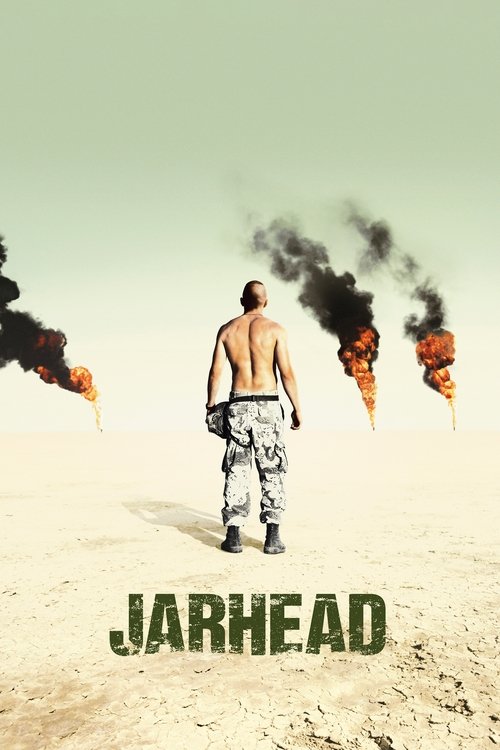
Jarhead
Sam Mendes
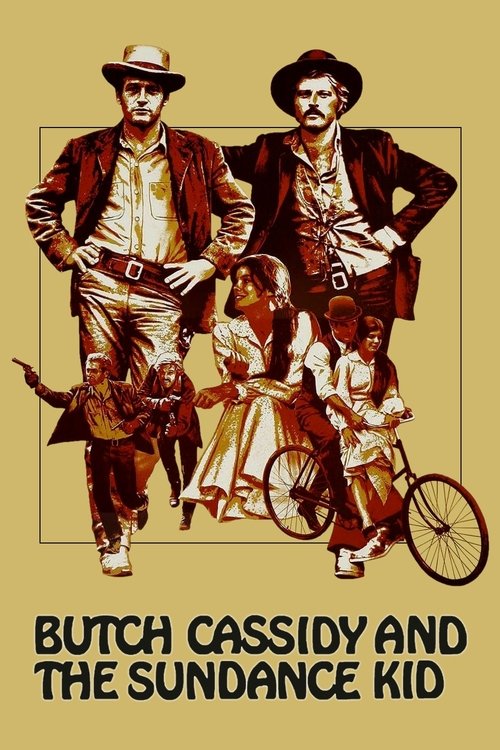
Butch Cassidy and the Sundance Kid
1969 · George Roy Hill
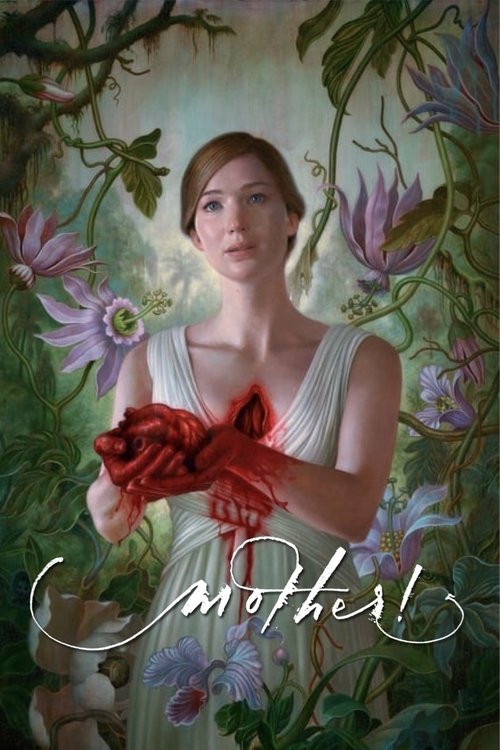
mother!
2017 · Darren Aronofsky
The coolest films
Strongest lean toward blue and cyan across the sampled frames.
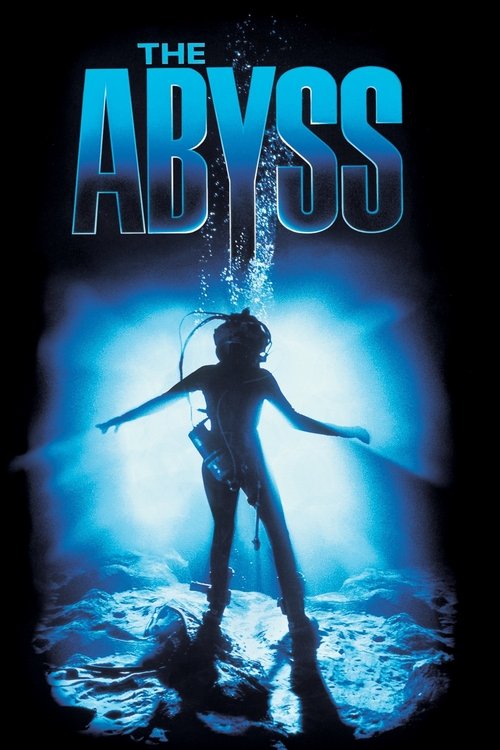
The Abyss
1989 · James Cameron
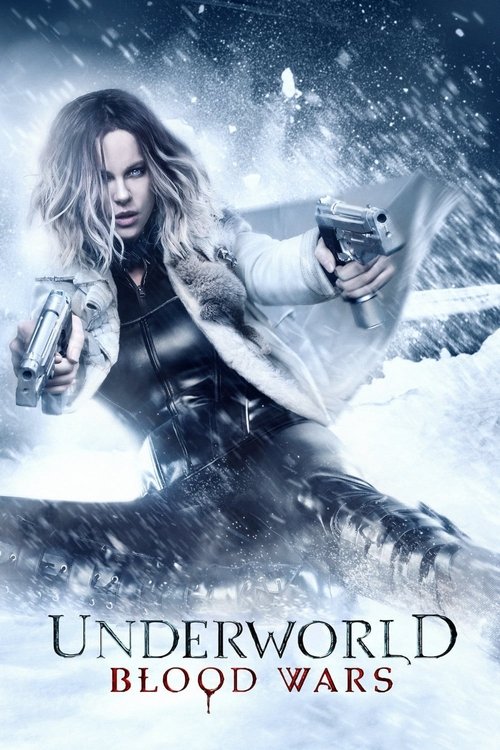
Underworld: Blood Wars
2016 · Anna Foerster
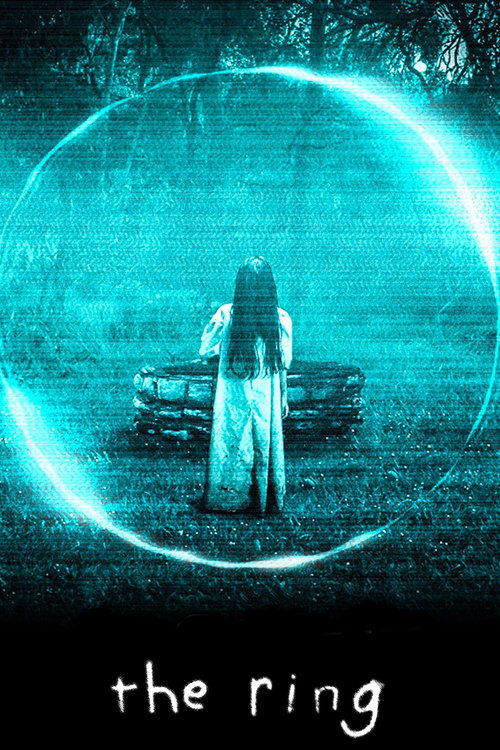
The Ring
2002 · Gore Verbinski
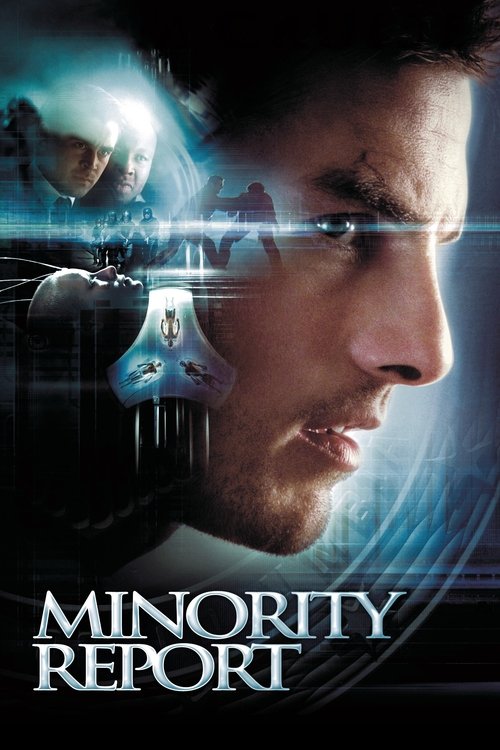
Minority Report
Steven Spielberg
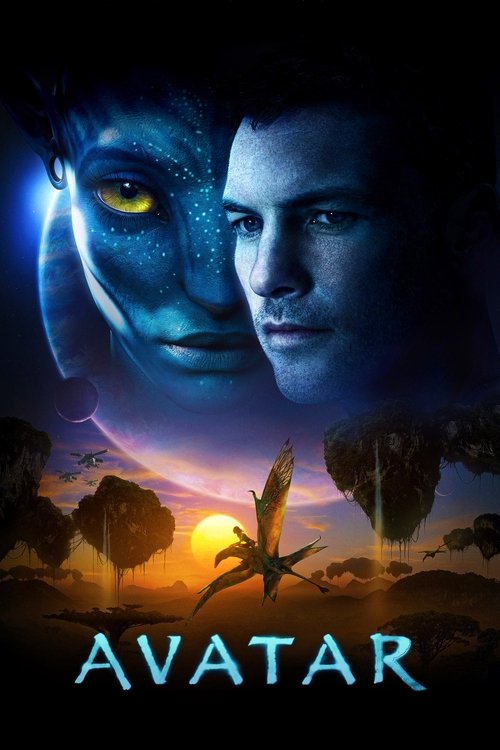
Avatar
2009 · James Cameron
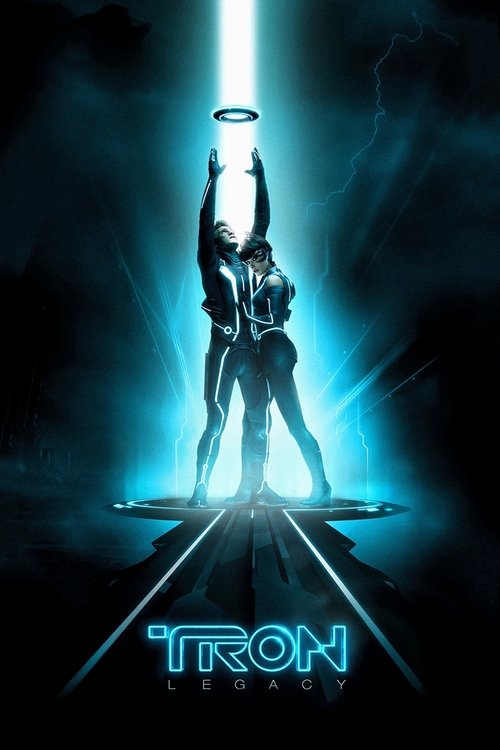
TRON: Legacy
2010 · Joseph Kosinski
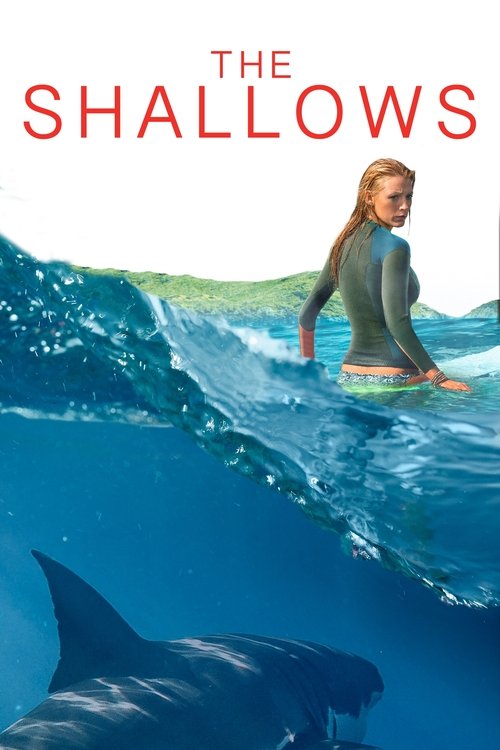
The Shallows
2016 · Jaume Collet-Serra
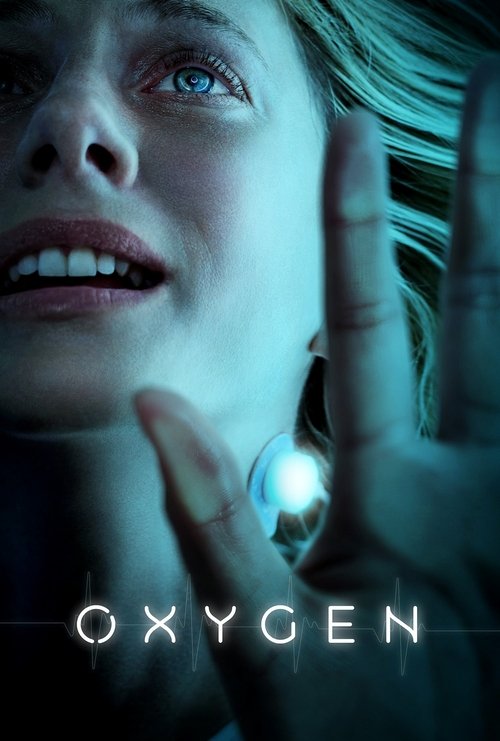
Oxygen
2021 · Alexandre Aja
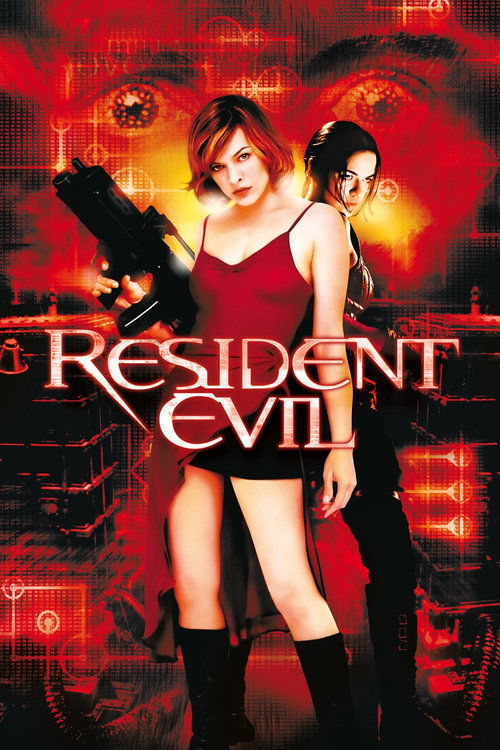
Resident Evil
2002 · Paul W. S. Anderson
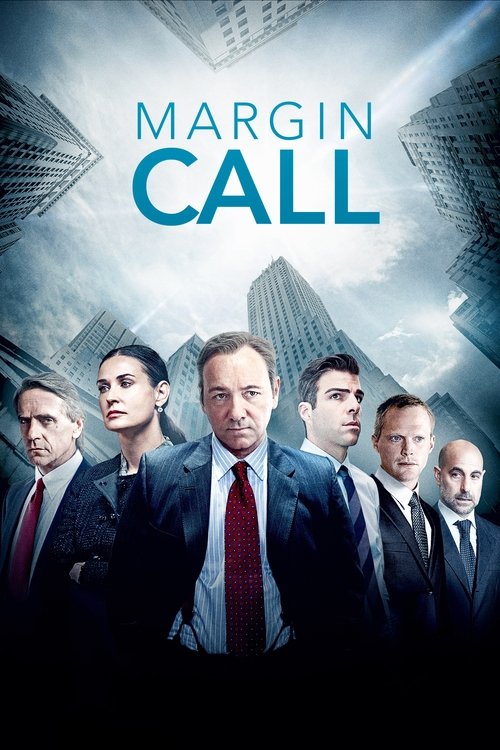
Margin Call
2011 · J.C. Chandor
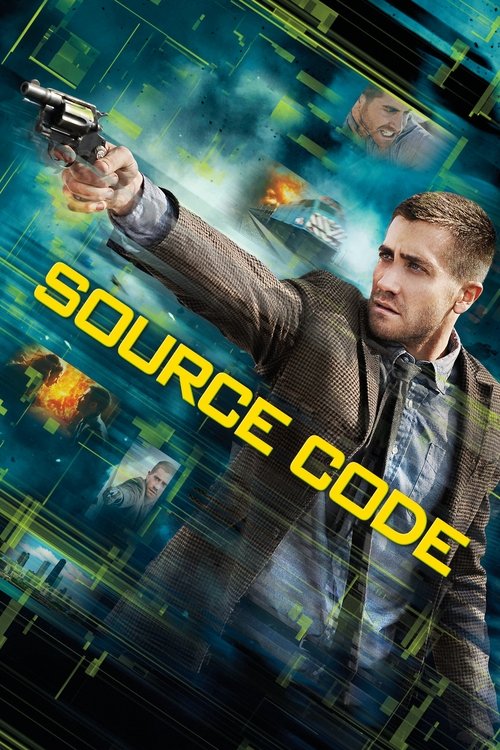
Source Code
2011 · Duncan Jones
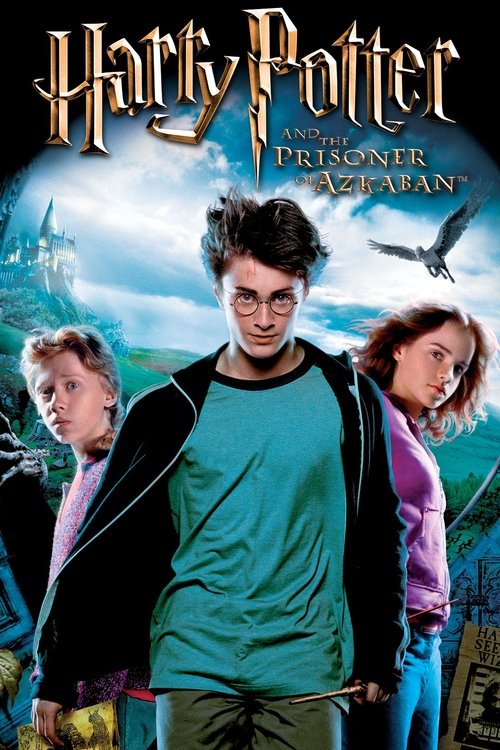
Harry Potter and the Prisoner of Azkaban
2004 · Alfonso Cuarón
The most saturated films
Highest mean saturation. Animation dominates this list, which is what the measurement should show.
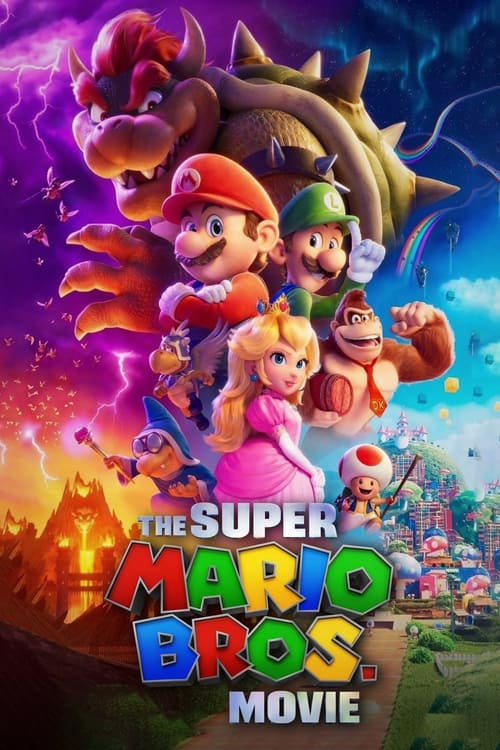
The Super Mario Bros. Movie
2023 · Aaron Horvath

Cyberpunk: Edgerunners
2022 · Rafał Jaki
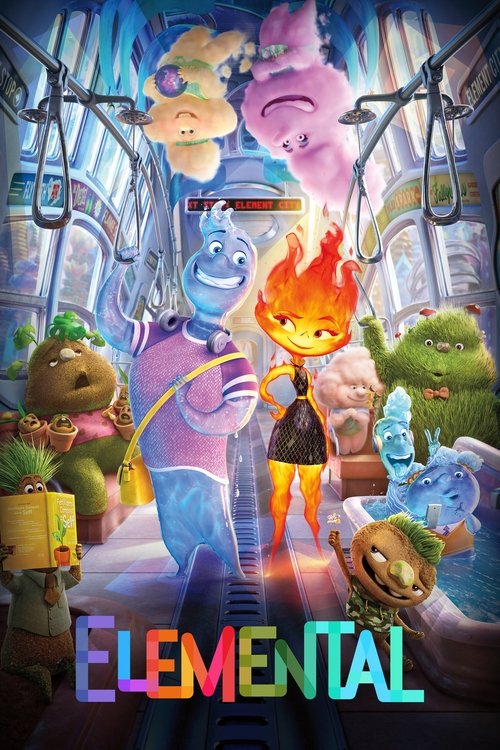
Elemental
2023 · Peter Sohn
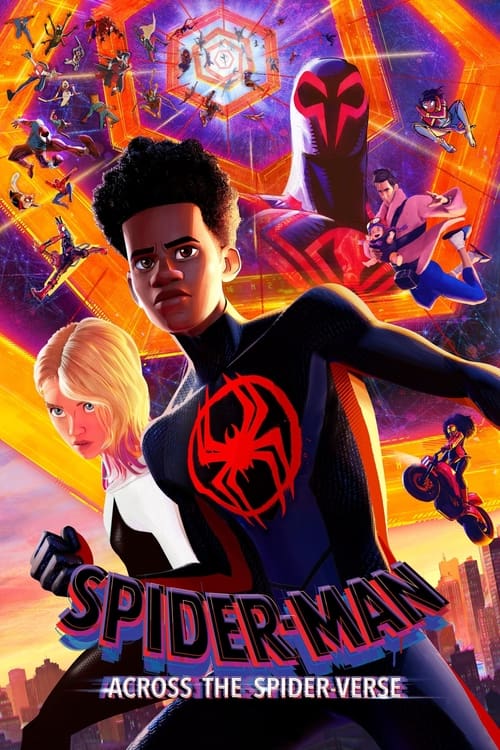
Spider-Man: Across the Spider-Verse
2023 · Kemp Powers
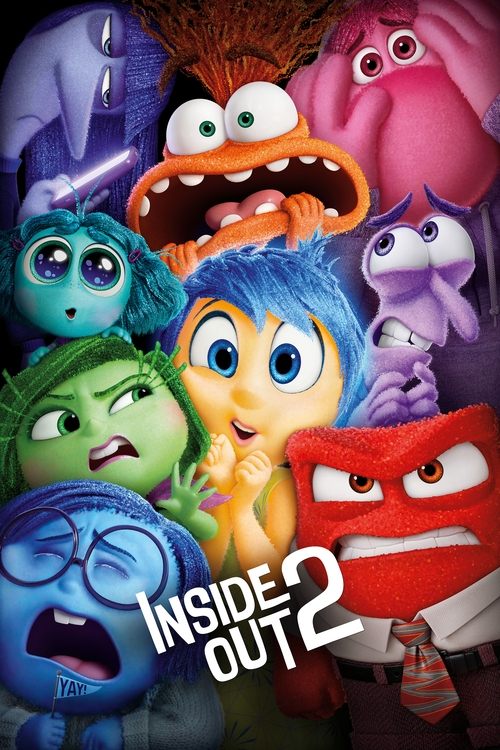
Inside Out 2
2024 · Kelsey Mann
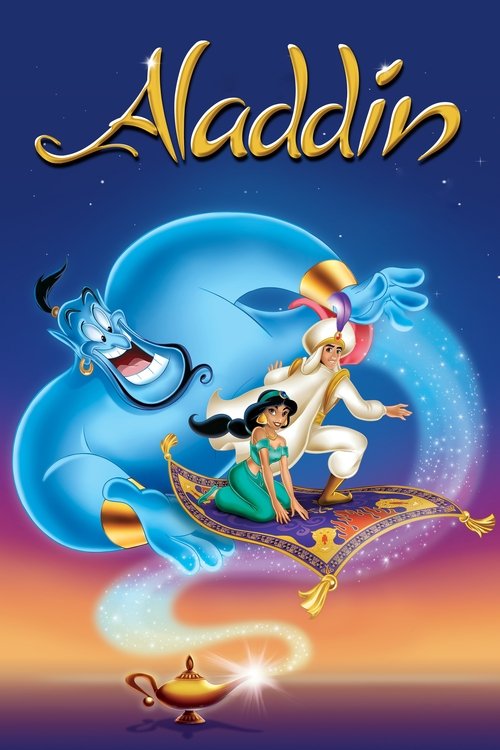
Aladdin
1992 · Ron Clements
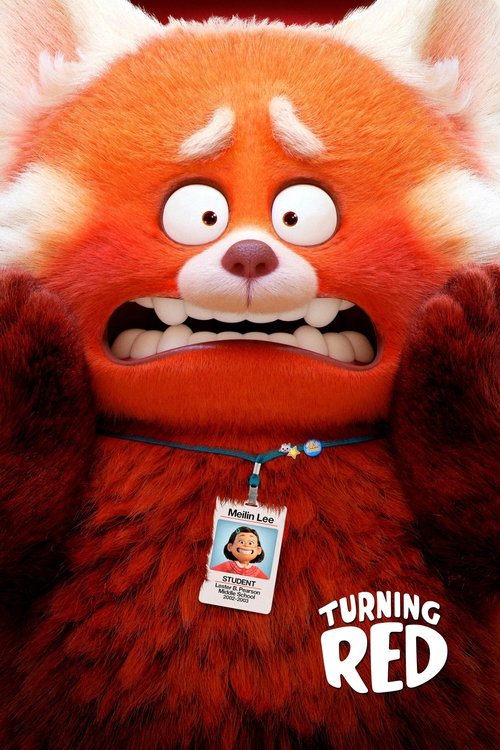
Turning Red
2022 · Domee Shi
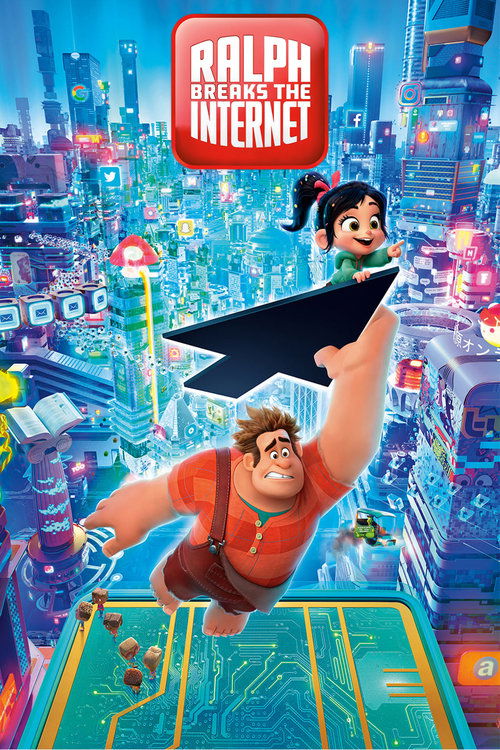
Ralph Breaks the Internet
2018 · Phil Johnston
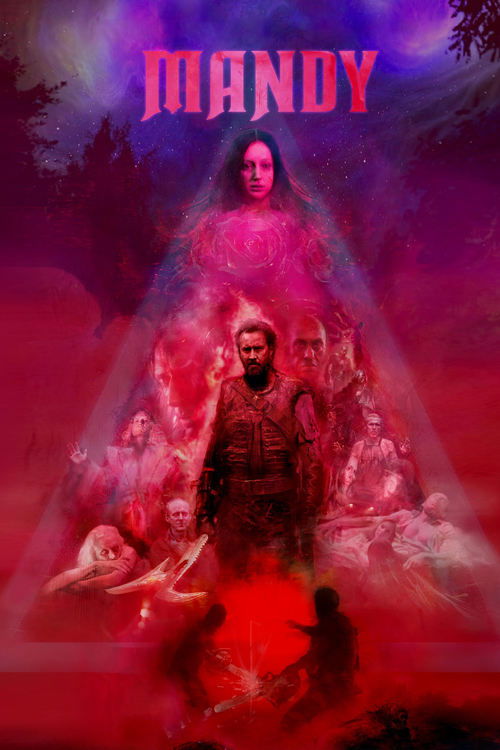
Mandy
2018 · Panos Cosmatos

Puss in Boots: The Last Wish
2022 · Joel Crawford
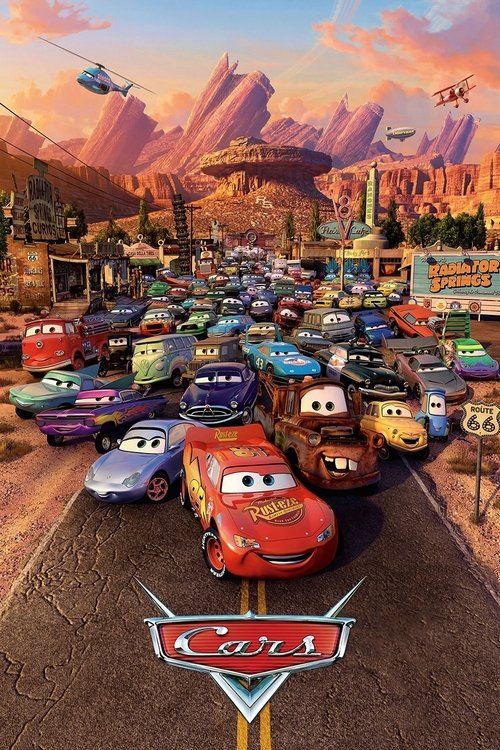
Cars
2006 · John Lasseter
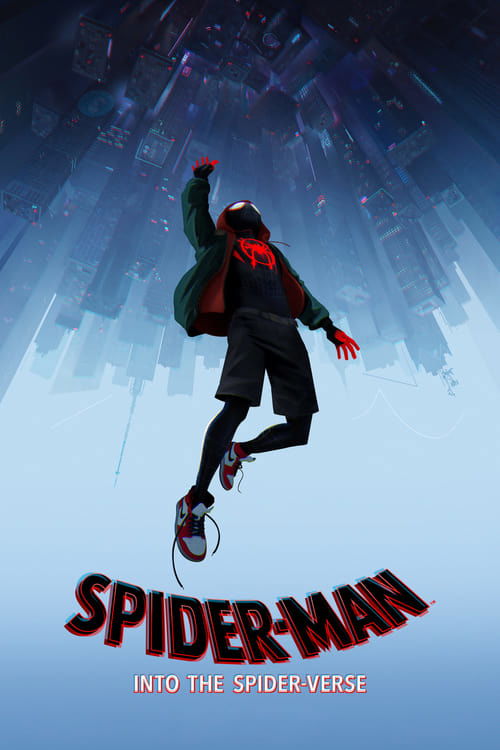
Spider-Man: Into the Spider-Verse
2018 · Bob Persichetti
The most desaturated films
Lowest mean saturation among films that still carry colour — the bleached and muted grades, not the monochrome ones.
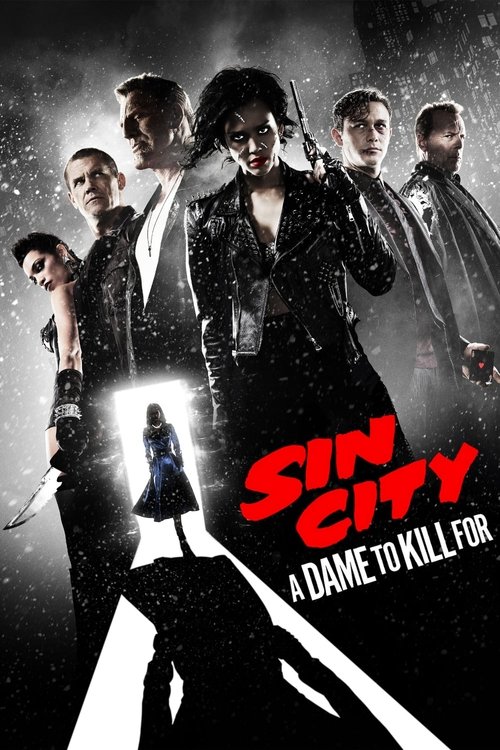
Sin City: A Dame to Kill For
2014 · Frank Miller
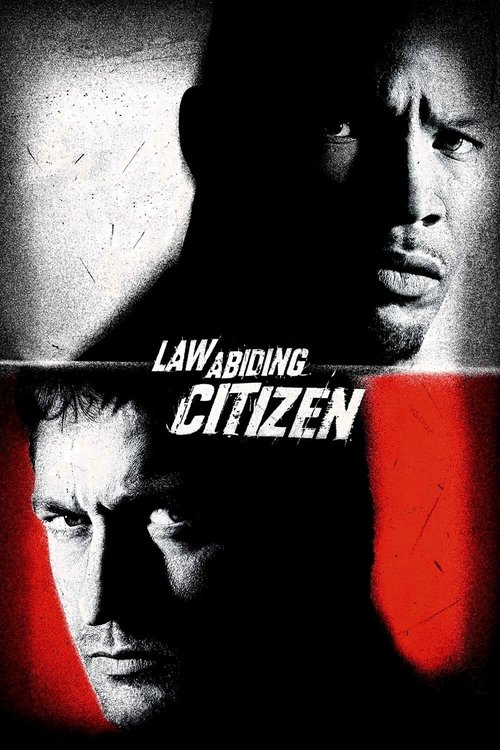
Law Abiding Citizen
2009 · F. Gary Gray
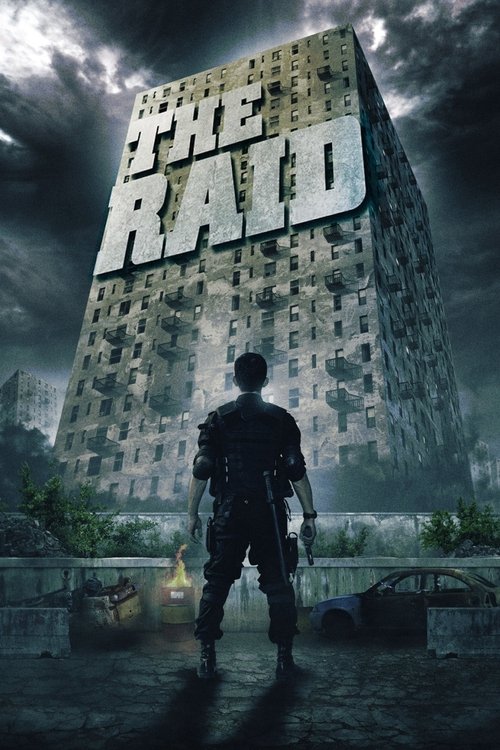
The Raid
2012 · Gareth Evans
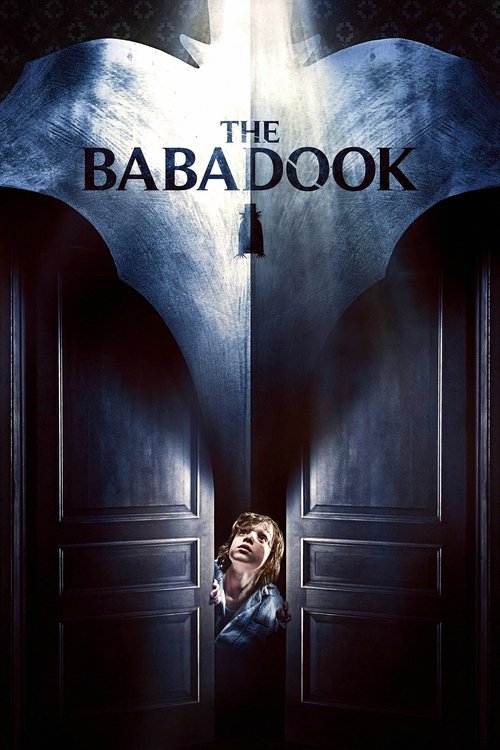
The Babadook
2014 · Jennifer Kent
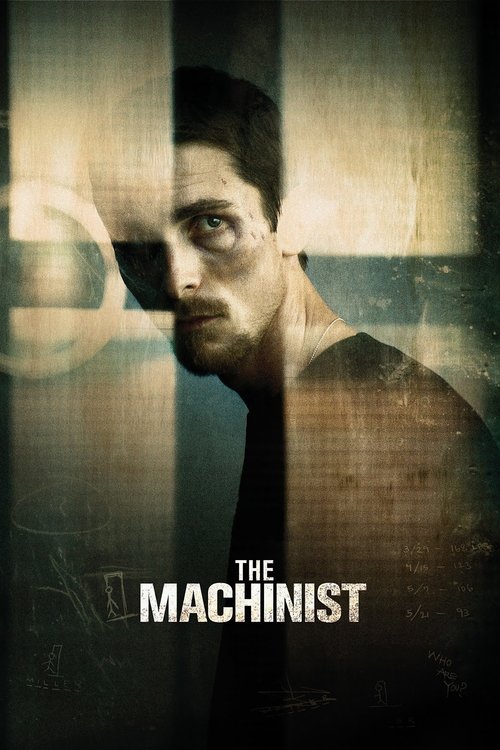
The Machinist
2004 · Brad Anderson
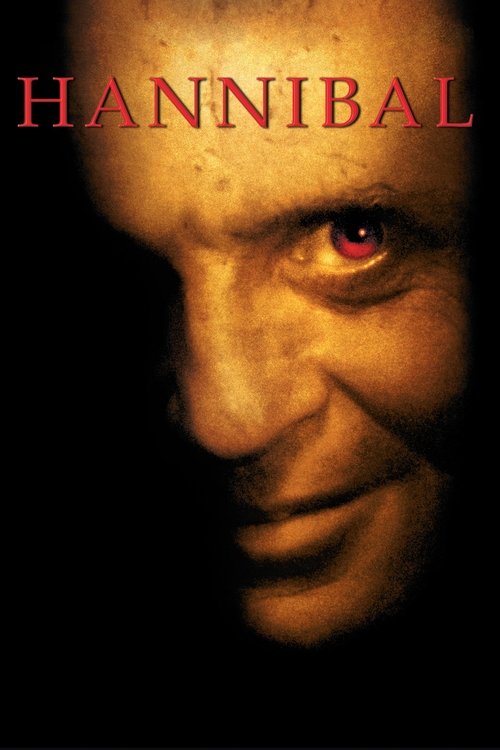
Hannibal
2001 · Ridley Scott
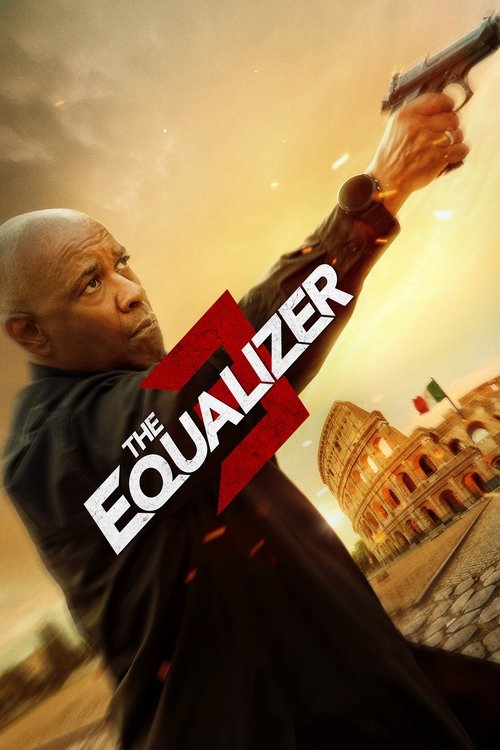
The Equalizer 3
2023 · Antoine Fuqua
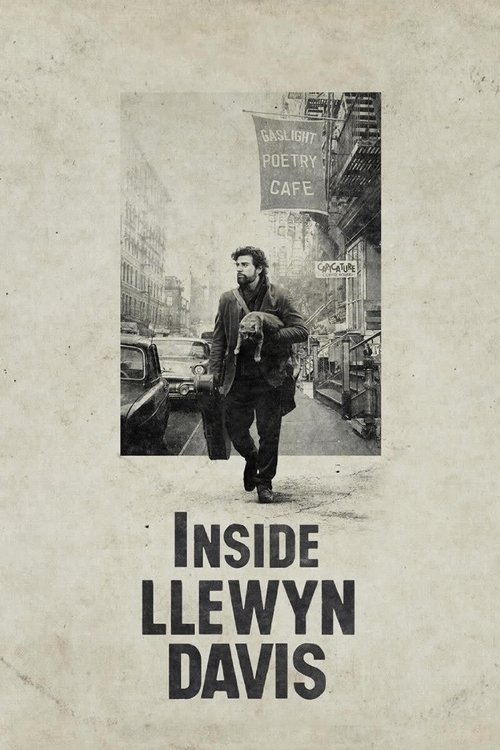
Inside Llewyn Davis
2013 · Joel Coen
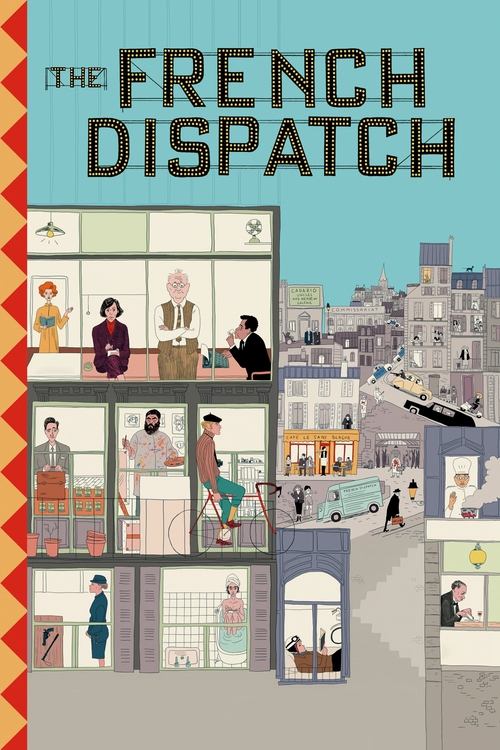
The French Dispatch
2021 · Wes Anderson
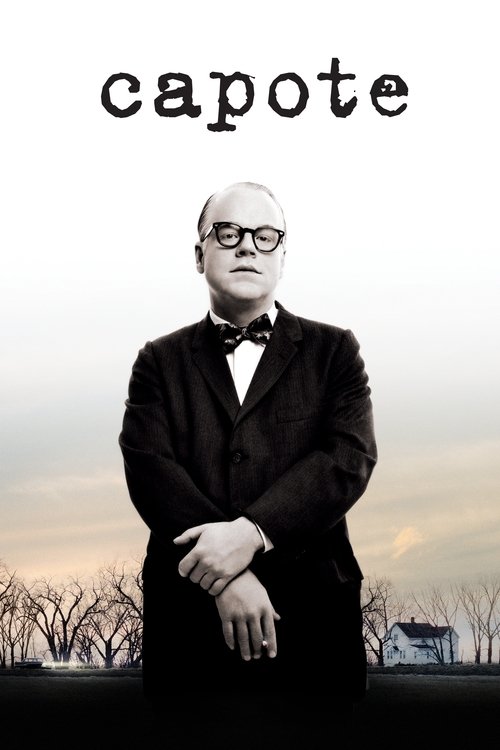
Capote
2005 · Bennett Miller
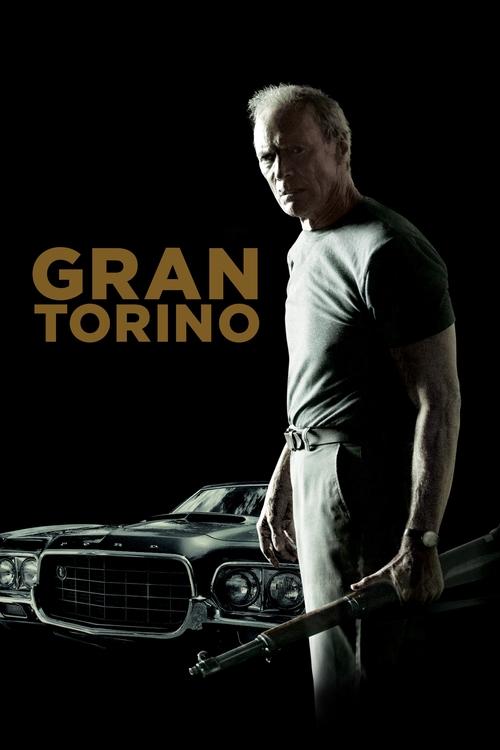
Gran Torino
2008 · Clint Eastwood
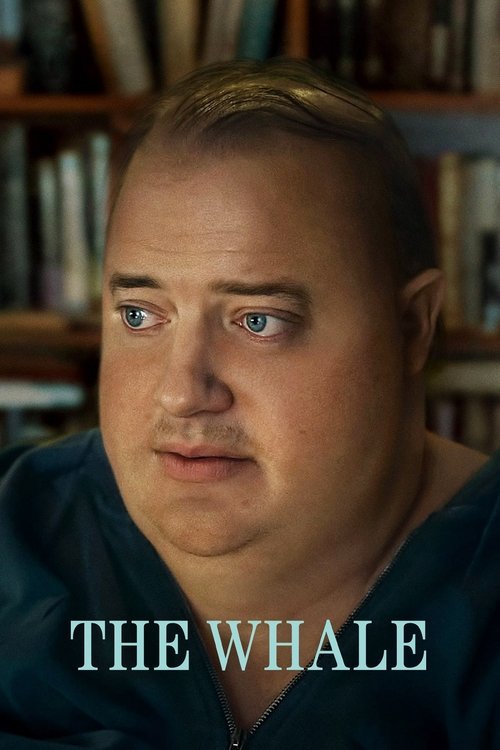
The Whale
2022 · Darren Aronofsky
The darkest films
Lowest mean luminance across sampled frames.
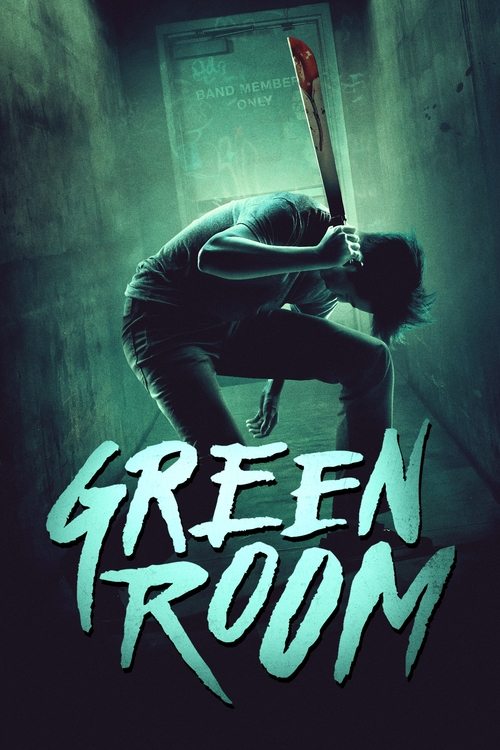
Green Room
2015 · Jeremy Saulnier
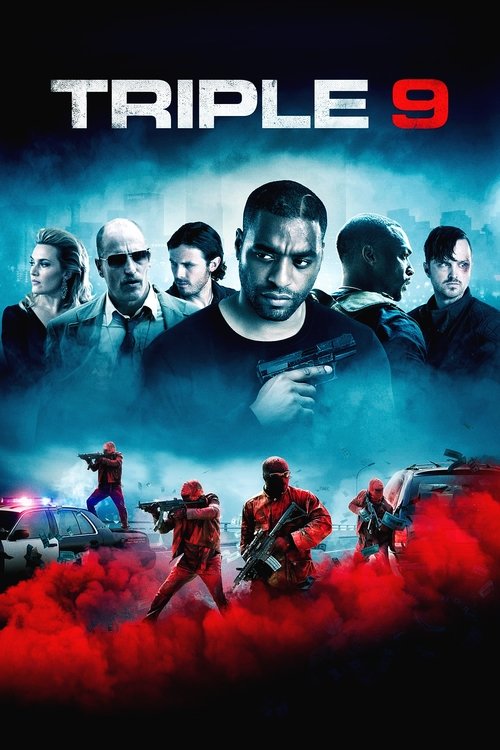
Triple 9
2016 · John Hillcoat
Overlord
2018 · Julius Avery
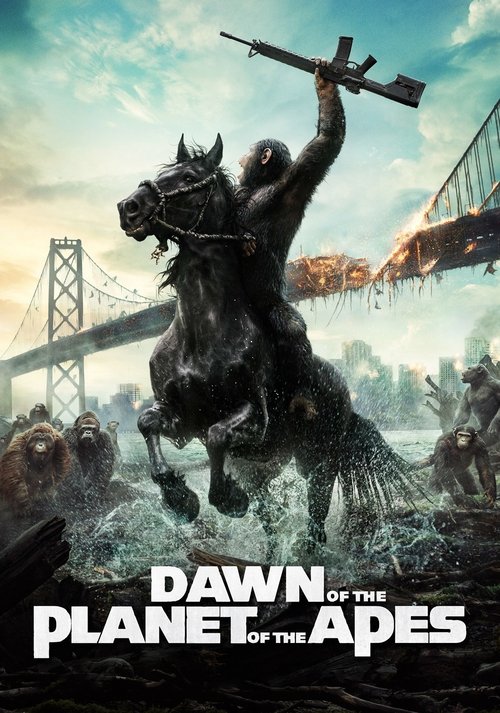
Dawn of the Planet of the Apes
2014 · Matt Reeves
Mandy
2018 · Panos Cosmatos

Evil Dead Rise
2023 · Lee Cronin
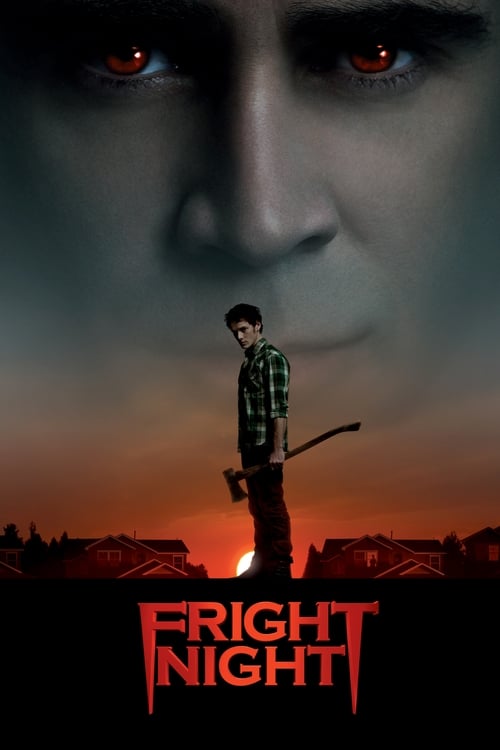
Fright Night
2011 · Craig Gillespie
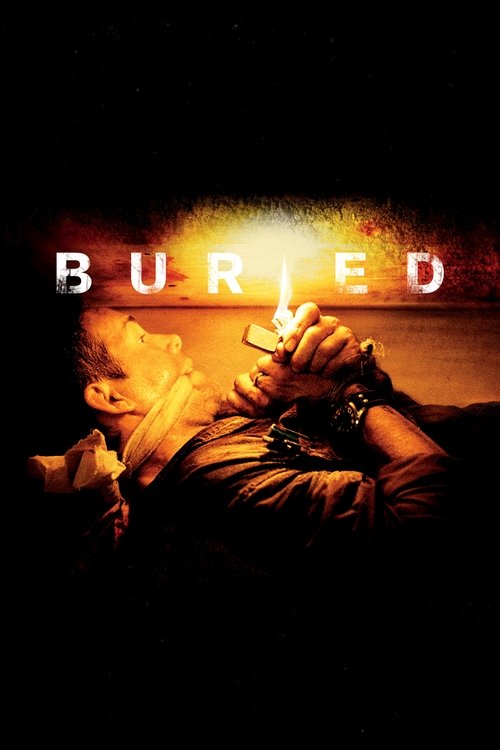
Buried
2010 · Rodrigo Cortés
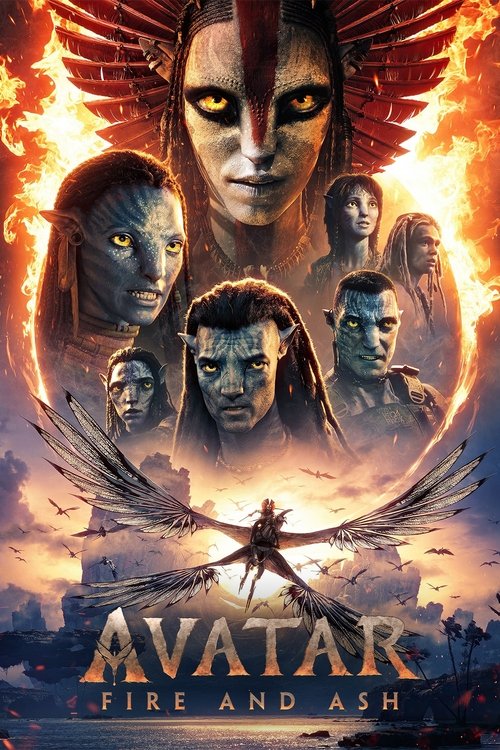
Ash
2025 · James Cameron
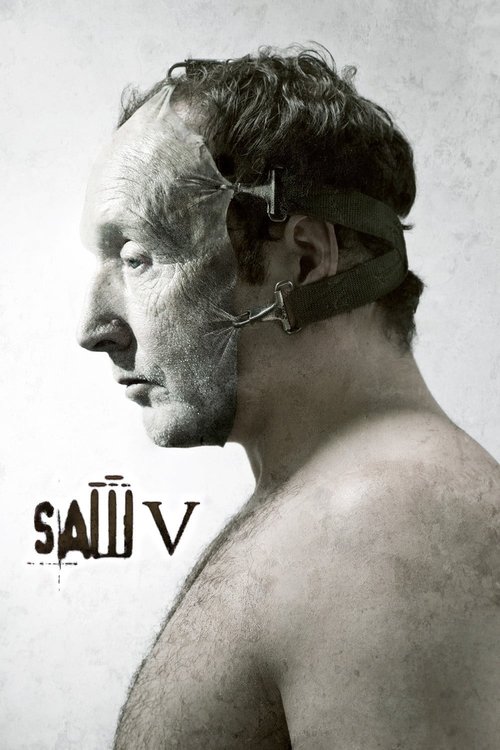
Saw V
2008 · David Hackl
The Road
2009 · John Hillcoat
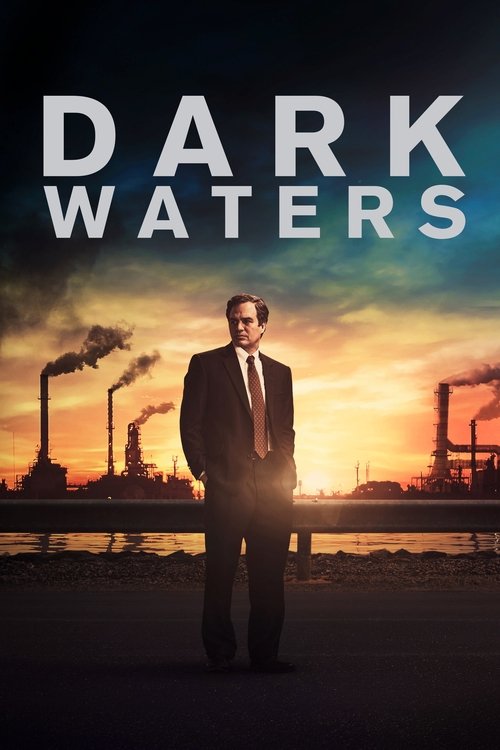
Dark Waters
2019 · Todd Haynes
The brightest films
Highest mean luminance across sampled frames.
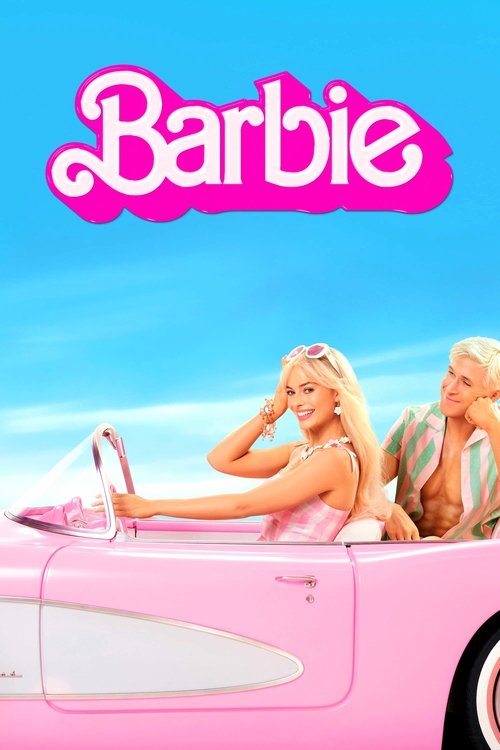
Barbie
2023 · Greta Gerwig

The Girl Who Leapt Through Time
2006 · Mamoru Hosoda
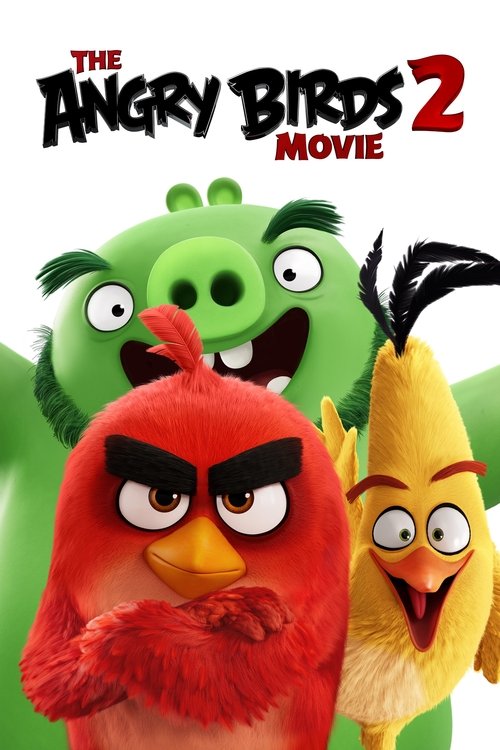
The Angry Birds Movie 2
2019 · Thurop Van Orman
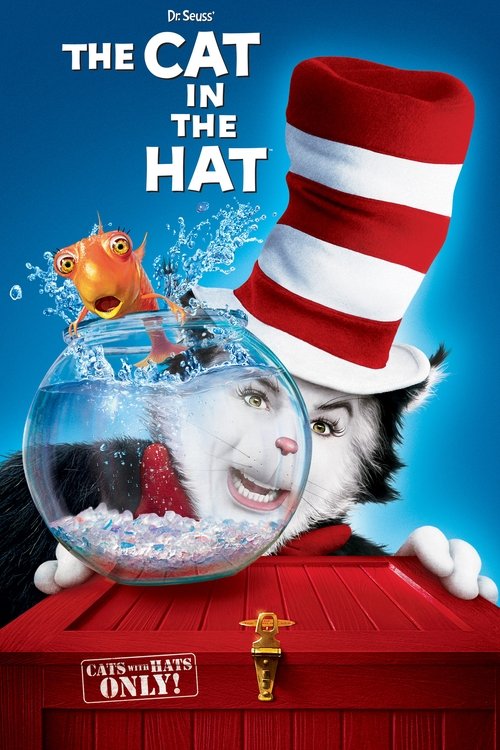
The Cat In The Hat
2003 · Bo Welch
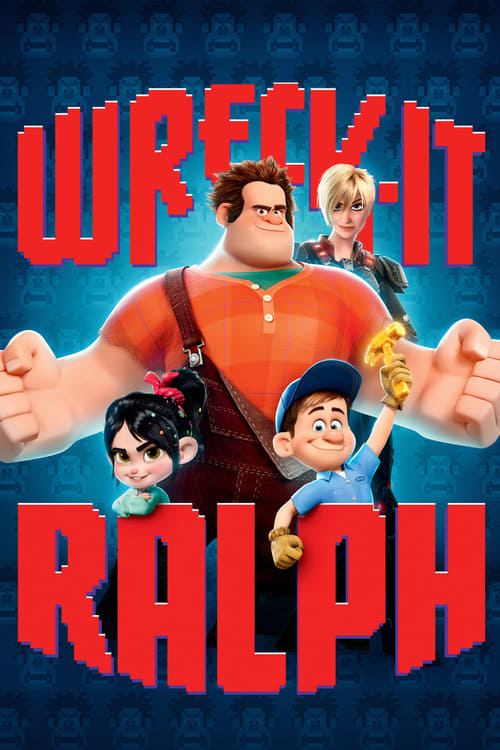
Wreck-It Ralph
2012 · Rich Moore
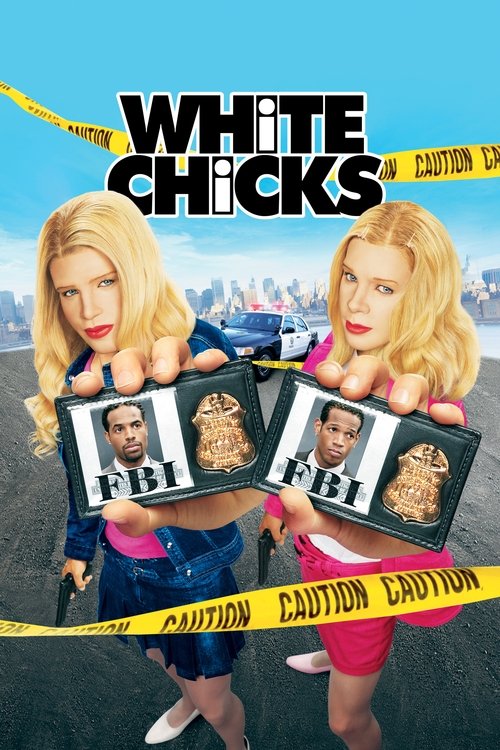
White Chicks
2004 · Keenen Ivory Wayans

The Boss Baby
2017 · Tom McGrath

Super Size Me
2004 · Morgan Spurlock
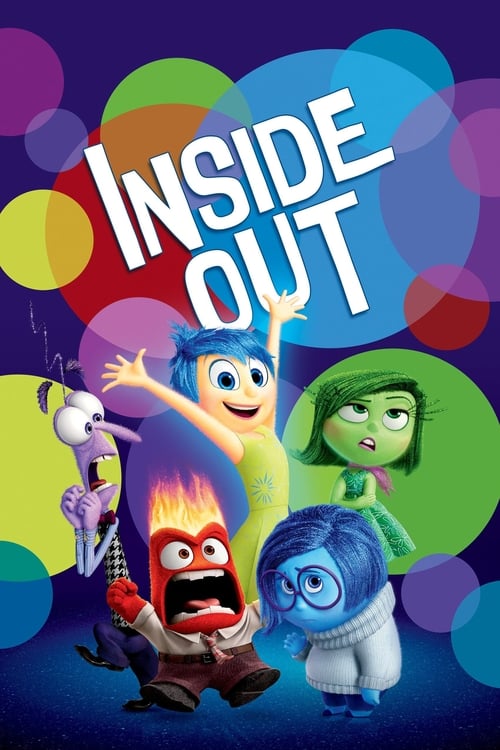
Inside Out
2015 · Pete Docter
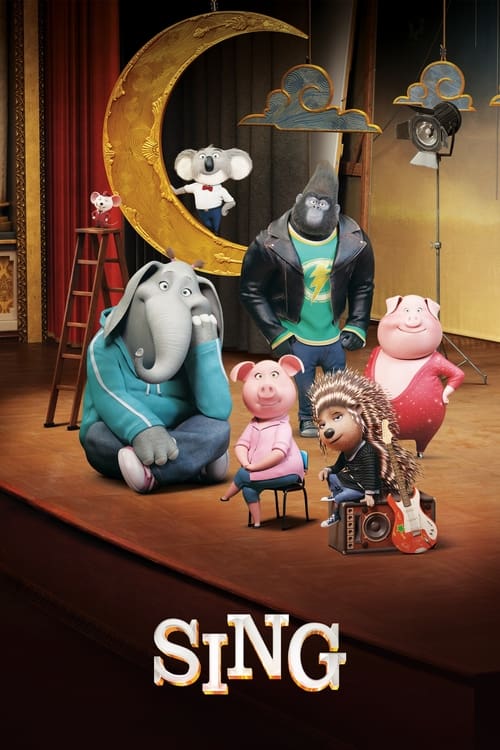
Sing
2016 · Garth Jennings
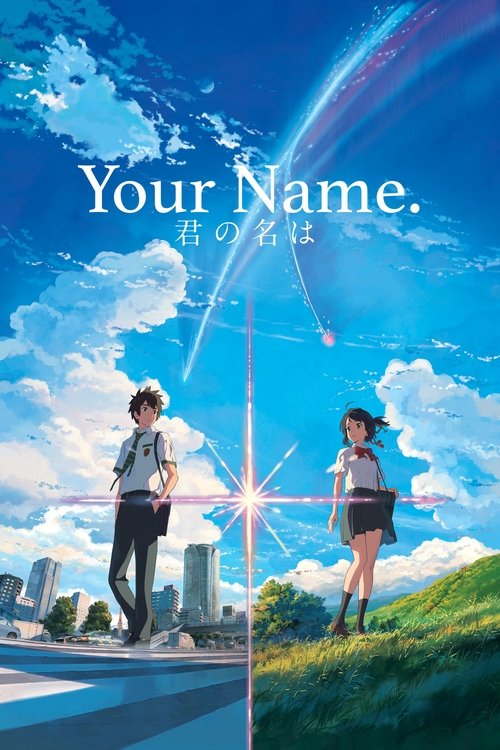
Your Name
2016 · Makoto Shinkai
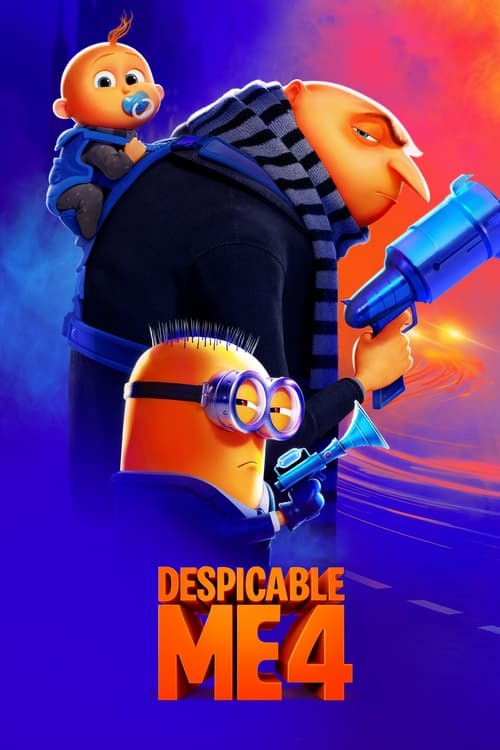
Despicable Me 4
2024 · Chris Renaud
Black and white
475 films measure below 0.05 mean saturation. Ranked by how widely seen they are, since hue cannot rank them.
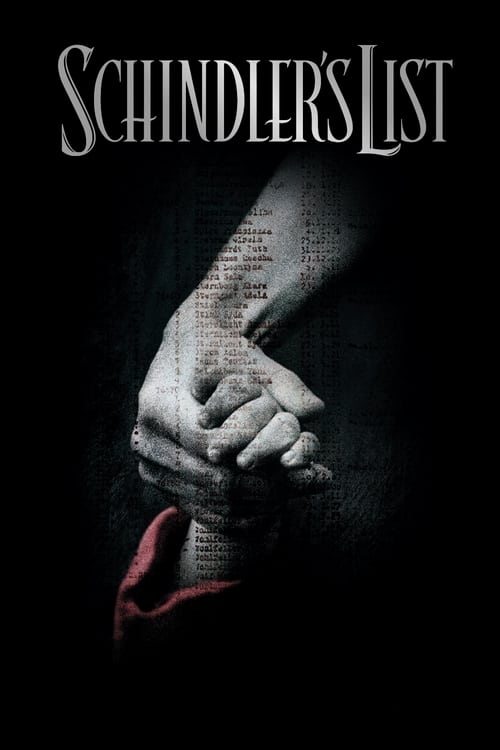
Schindler's List
1993 · Steven Spielberg
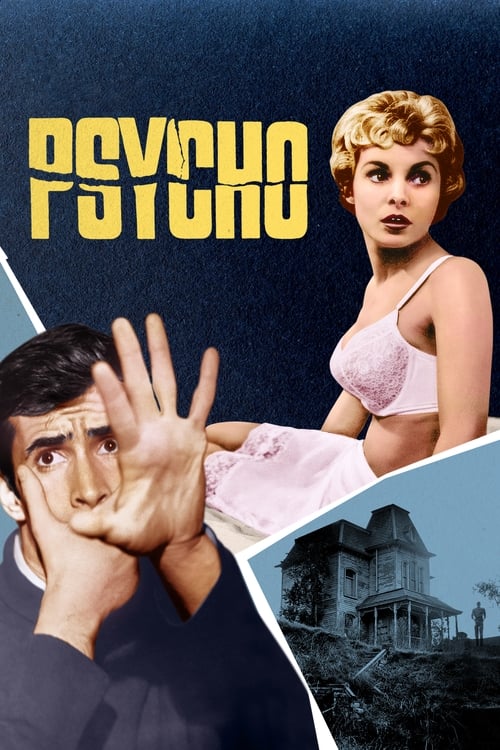
Psycho
Alfred Hitchcock
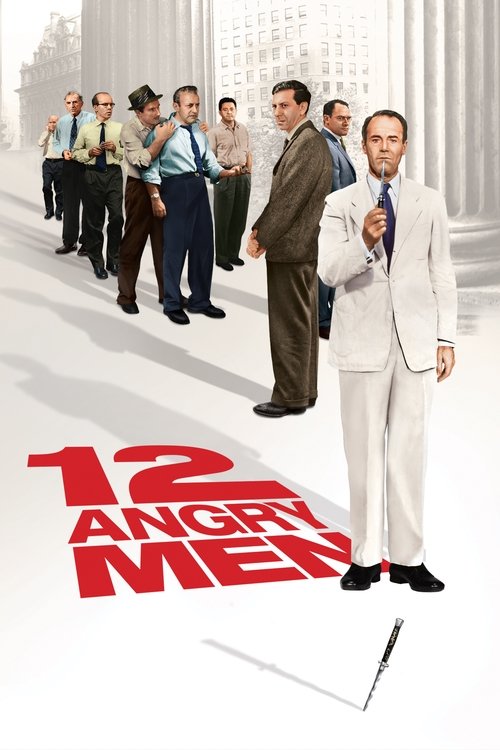
12 Angry Men
1957 · Sidney Lumet
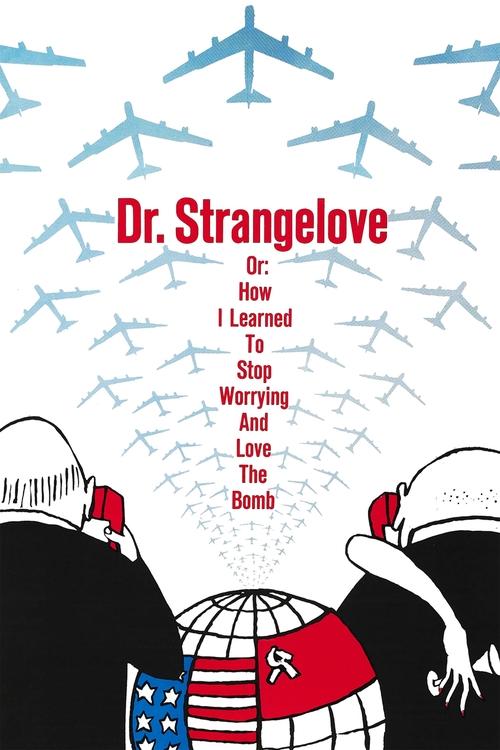
Dr. Strangelove or: How I Learned to Stop Worrying and Love the Bomb
1964 · Stanley Kubrick
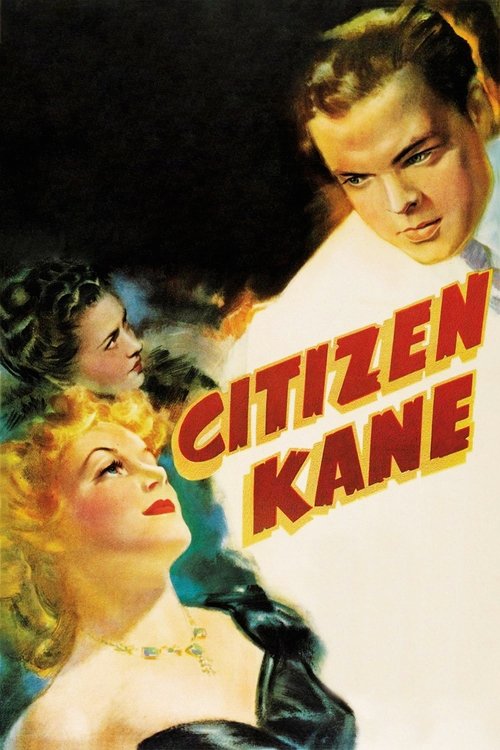
Citizen Kane
1941 · Orson Welles
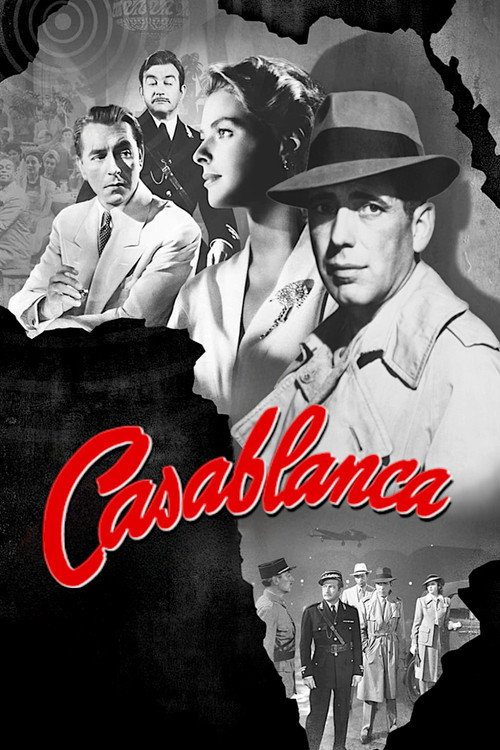
Casablanca
1942 · Michael Curtiz
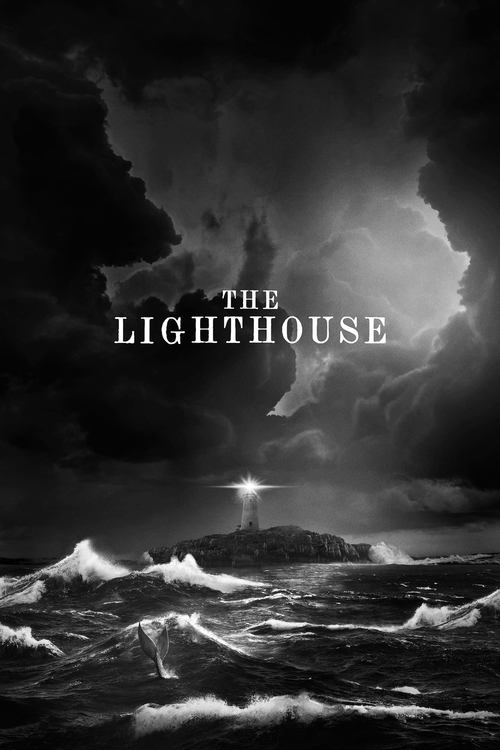
The Lighthouse
2019 · Robert Eggers
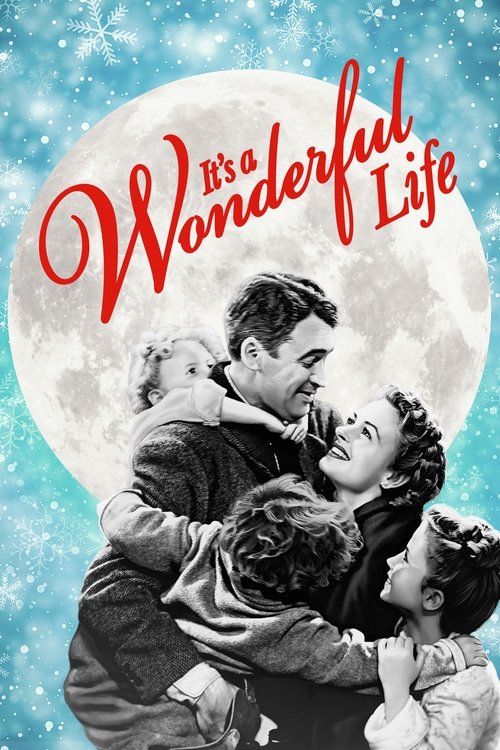
It’s A Wonderful Life
1946 · Frank Capra
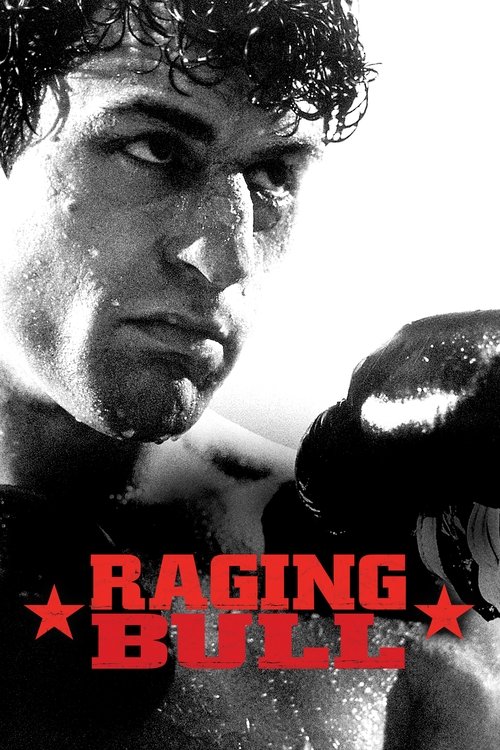
Raging Bull
1980 · Martin Scorsese
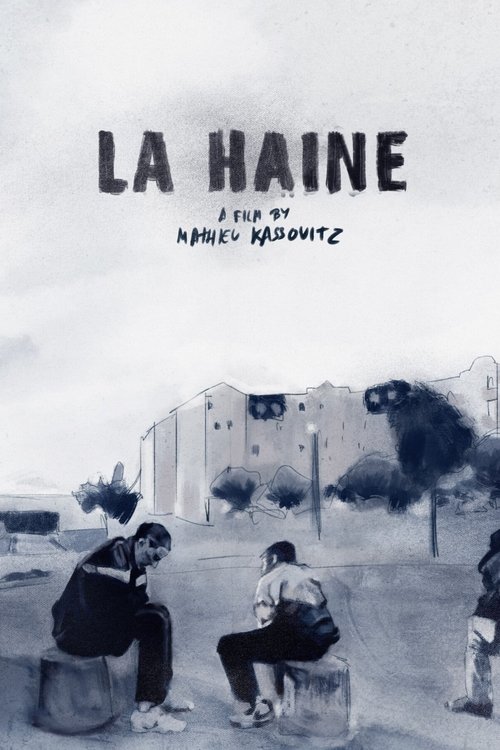
La Haine
1995 · Mathieu Kassovitz
Seven Samurai
1954 · Akira Kurosawa

Roma
2018 · Alfonso Cuarón
Search the frames behind these palettes
Every colour here comes from a real frame. Search by colour, lighting, lens and mood across thousands of films — $2 of credits free, no card.
Common questions
- How are these movie colour palettes calculated?
- Every frame in the FrameThrower library carries five extracted colours. For each film those samples are pooled, binned in RGB and averaged, and the six most common bins become its palette — with the share of sampled colour each one covers. Warmth, saturation and luminance are means over the same samples. 5277 films qualify, each with at least 12 frames and 50 colour samples.
- What does warmth mean here?
- How far a palette leans toward the red and orange half of the colour wheel, from −1 (fully cool) to +1 (fully warm), weighted by saturation so that grey pixels do not vote. Black-and-white films are excluded from warmth entirely — a monochrome image has no hue to lean either way, and including them would rank Casablanca among the warmest films ever shot.
- Can I use these hex values?
- Yes. The measurements — hex values, shares, warmth, saturation and luminance — are published under CC BY 4.0 with attribution to FrameThrower. That licence covers the measurements only. The film frames they were derived from are not ours to license; rights remain with their owners.
- Why are black-and-white films listed separately?
- Because hue says nothing about them. 475 films in the catalogue measure below 0.05 mean saturation, which is monochrome in practice. Their look is built from tonal range instead, so they are ranked on luminance and left out of every hue-based list.
More: the stills database · all films · cinematography techniques · measured film lists