FrameThrower · Actors · Timothy Spall
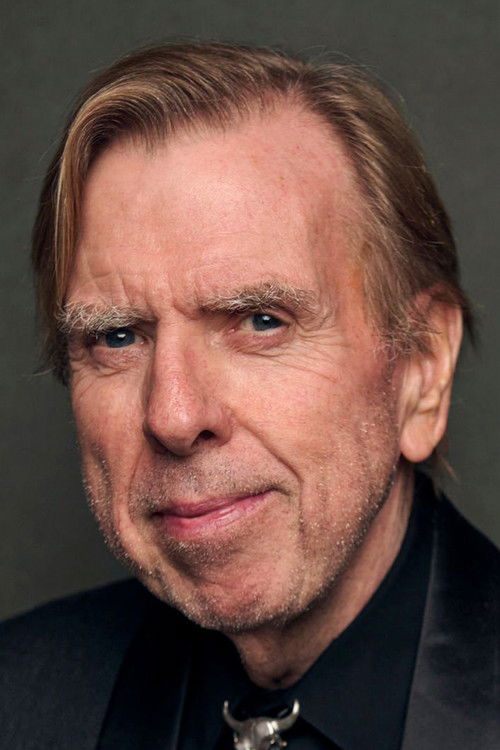
Timothy Spall
14 films · 901 frames · top-billed in 7 · 1986–2021
Born 27 February 1957 · Battersea, London, England, UK
Timothy Leonard Spall is an English actor and presenter. He became a household name in the UK after appearing as Barry Spencer Taylor in the 1983 ITV comedy-drama series Auf Wiedersehen, Pet.
Spall performed in Secrets & Lies (1996), and was nominated for the BAFTA Award for Best Actor in a Leading Role. Subsequently, he starred in many films, including Hamlet (1996), Still Crazy (1998), Nicholas Nickleby (2002), The Last Samurai (2003), Enchanted (2007), Sweeney Todd: The Demon Barber of Fleet Street (2007), The Damned United (2009), The King's Speech (2010), Ginger and Rosa (2012), Denial (2016), and The Party (2017). He voiced Nick, a cynical, portly rat in Chicken Run (2000).…
Awards
On FrameThrower we have: 14 films · 901 frames · top-billed in 7 · 1986–2021
- Officer of the Order of the British Empire
- European Film Award for Best Actor2014
How their films are shot
Measured across 901 frames from the 14 films we hold. This is the look of the work Timothy takes, not a claim about any single frame — we index the cast of a film, never the people in a shot.
Across the 14 films we hold, 54% of their frames are day, 46% natural — the look of the work Timothy takes.
Time of day
Lighting
Shot size
Camera angle
Mood
Films in the library
Every poster opens that film — stills, cinematography notes and colour palette.

Spencer
2021 · Major Alistair Gregorys

Mr. Turner
2014 · JMW Turner
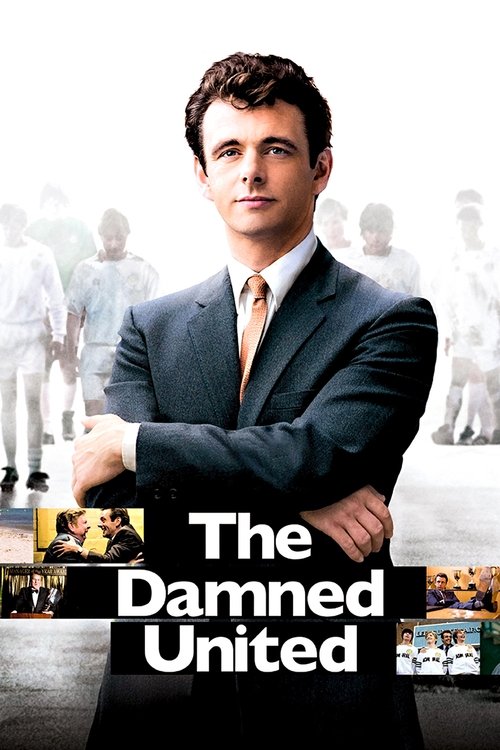
The Damned United
2009 · Peter Taylor

The Last Samurai
2003 · Simon Graham
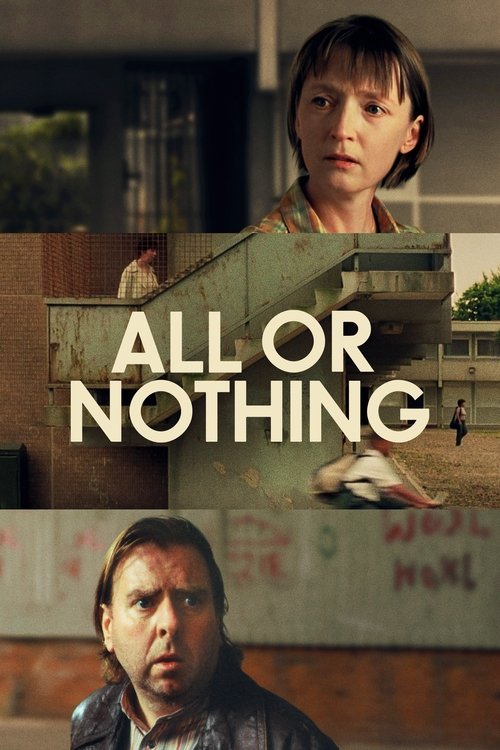
All or Nothing
2002 · Phil
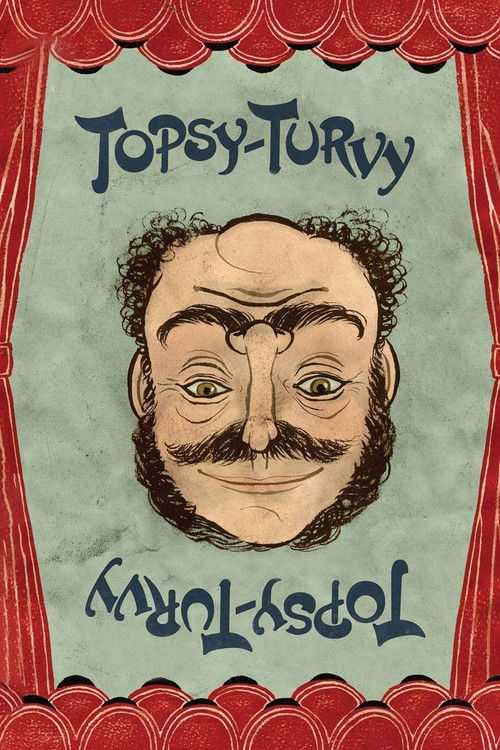
Topsy-Turvy
1999 · Richard Temple (The Mikado)

Life Is Sweet
1990 · Aubrey
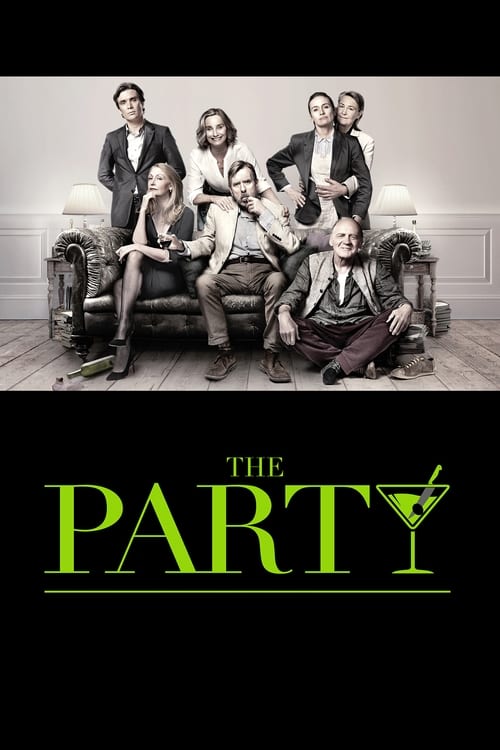
The Party
2017 · Bill

Ginger & Rosa
2012 · Mark
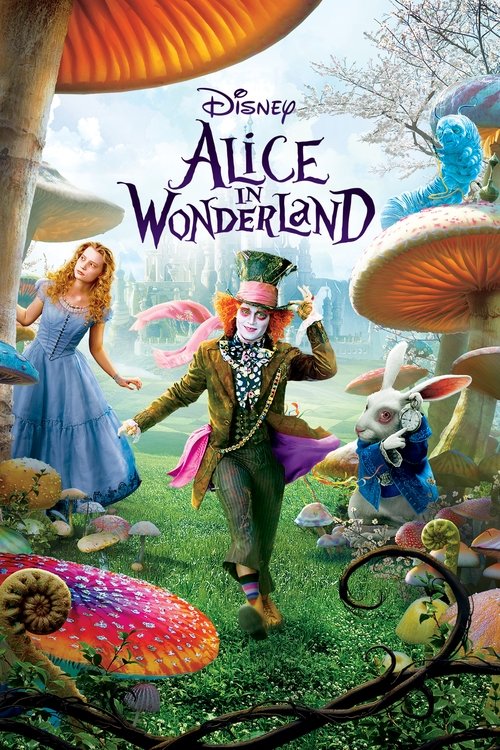
Alice in Wonderland
2010 · Bayard Hamar / Bloodhound (voice)
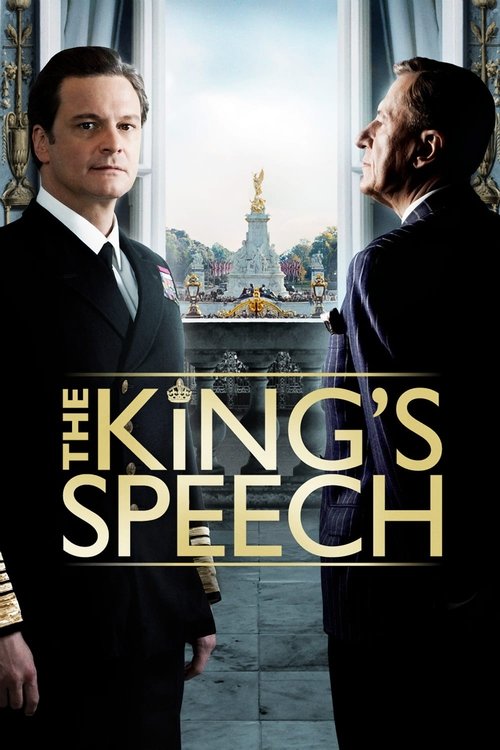
The King’s Speech
2010 · Winston Churchill
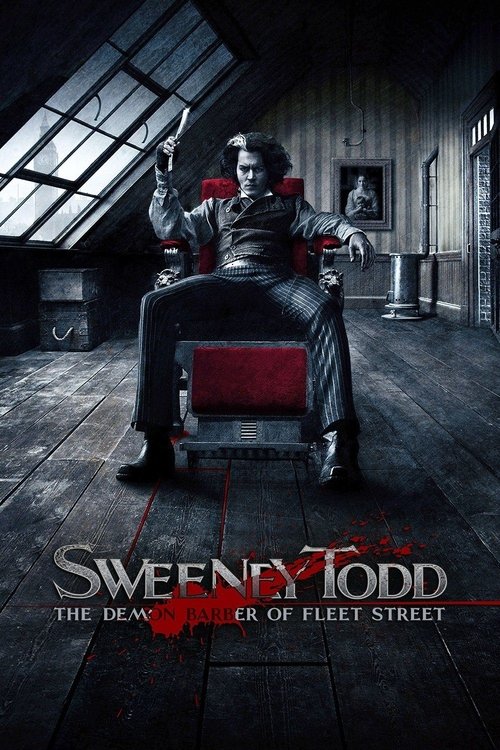
Sweeney Todd: The Demon Barber of Fleet Street
2007 · Beadle
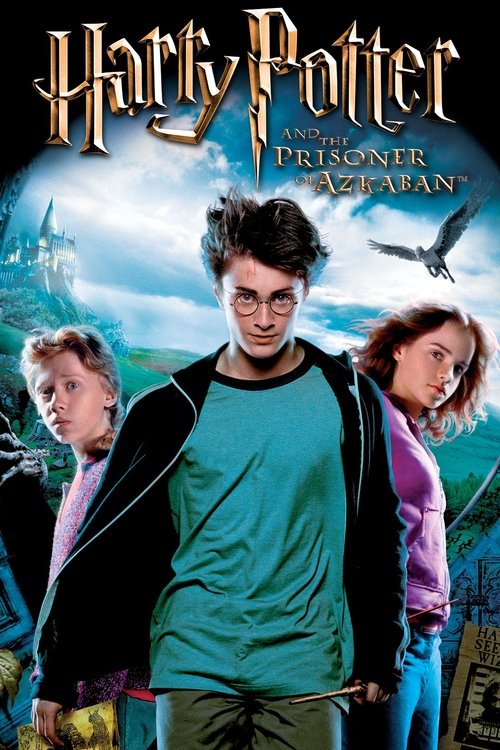
Harry Potter and the Prisoner of Azkaban
2004 · Peter Pettigrew
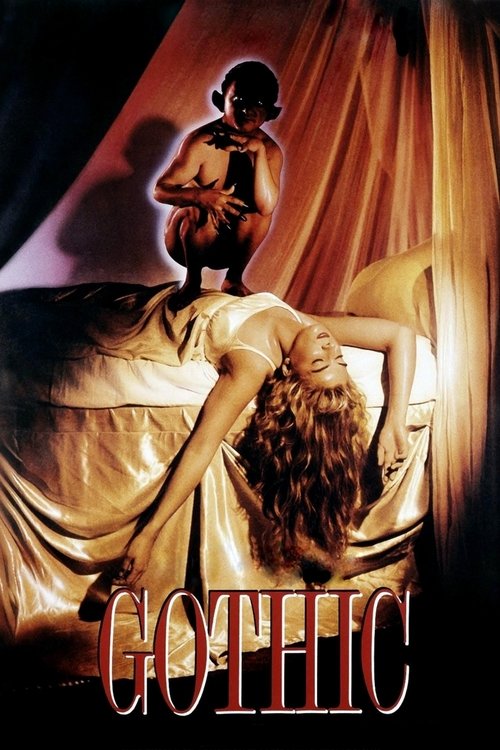
Gothic
1986 · Dr. Polidori
Often with
Shared films in this library, not a full filmography.
A reference database for filmmakers
FrameThrower is a fully machine-searchable film database and visual reference library — all 901 frames from Timothy Spall's 14 films, and 5,000+ films besides, indexed frame by frame and readable by AI. Search it in plain language, from a reference image, or by colour; call it from an API, an MCP server or an SDK. It's the reference layer for making the next movie.