Study the greats · Find refs faster—Filmmakers · Animators · Advertisers
FrameThrower · Actors · Timothy Carhart

Timothy Carhart
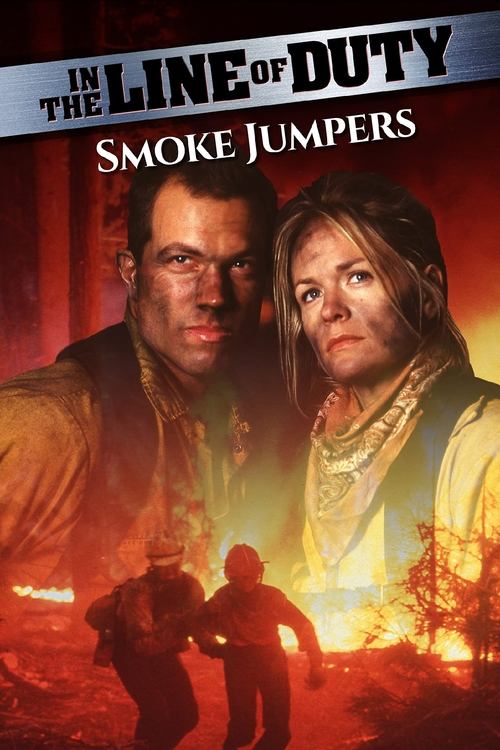
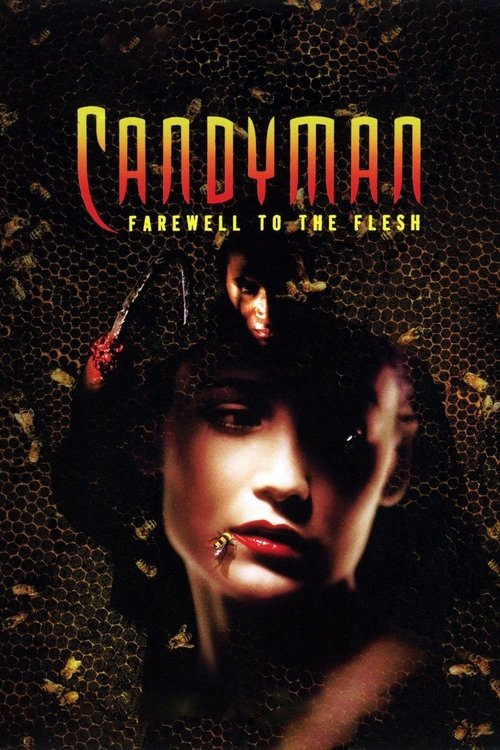
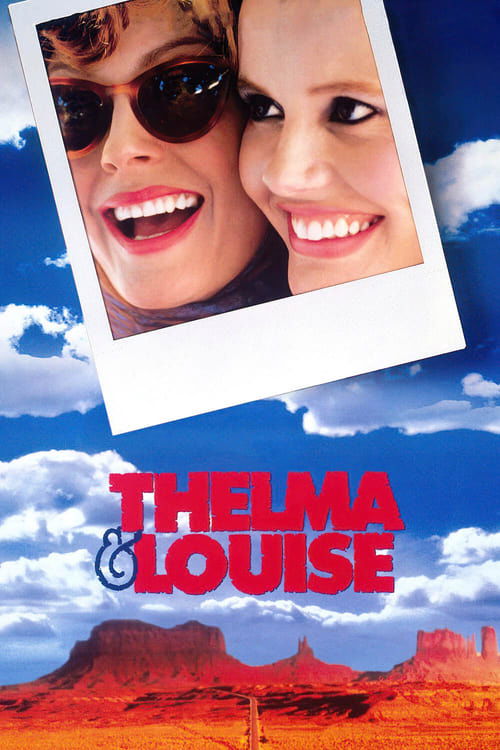
Leading roles in In the Line of Duty: Smoke Jumpers, Candyman: Farewell to the Flesh and Thelma & Louise · stills from 3 of their films · 1991–1996
Born 24 December 1953 · Washington, District of Columbia, USA
From Wikipedia, the free encyclopedia
Timothy Carhart is an American actor. Carhart was born in Washington, DC. and travelled to Izmir and Ankara in Turkey and Verdun in France before returning to the US and studying theater, where he has been acting since at least the late 1970s. Before changing his name, Tim was Tim Grunig, and he went to junior high and high school in Evanston, Illinois.
Description above from the Wikipedia article Timothy Carhart, licensed under CC-BY-SA, full list of contributors on Wikipedia.
How their films are shot
Measured across 322 frames from the 3 films we hold. This is the look of the work Timothy takes, not a claim about any single frame — we index the cast of a film, never the people in a shot.
Across the 3 films we hold, 47% of their frames are day, 52% natural — the look of the work Timothy takes.
Time of day
Lighting
Shot size
Camera angle
Mood
Films in the library
Every poster opens that film — stills, cinematography notes and colour palette.
About Timothy Carhart
How old is Timothy Carhart?
Timothy Carhart was born on 24 December 1953 in Washington, District of Columbia, USA, which makes them 72 years old.
What is Timothy Carhart known for?
From Wikipedia, the free encyclopedia Timothy Carhart is an American actor. Carhart was born in Washington, DC. and travelled to Izmir and Ankara in Turkey and Verdun in France before returning to the US and studying theater, where he has been acting since at least the late 1970s.
What movies has Timothy Carhart been in?
FrameThrower holds stills from 3 of Timothy Carhart's films: In the Line of Duty: Smoke Jumpers (1996), Candyman: Farewell to the Flesh (1995) and Thelma & Louise (1991).
A reference database for filmmakers
FrameThrower is a fully machine-searchable film database and visual reference library — all 322 frames from Timothy Carhart's 3 films, and 5,000+ films besides, indexed frame by frame and readable by AI. Search it in plain language, from a reference image, or by colour; call it from an API, an MCP server or an SDK. It's the reference layer for making the next movie.