


What is the website for high quality movie stills?
There is no single one, because “high quality” means three different things. For resolution, studio press kits beat everything. For provenance — a real frame from the finished film rather than a photograph taken on set — any screencap archive beats a publicity database. For findability, you want a library that has indexed what is inside the frame.
Decide which of the three you actually meant and the answer stops being contested.
The three things people mean by “high quality”
Almost every argument about which stills site is best is really two people using this phrase to mean different things.
1. Resolution
Winner: Press kits, then Blu-ray screencaps
Studio press kits reach 3000px and beyond, but cover a dozen promotional images per film. Everything derived from the finished picture is capped by its master — 1920×1080 from a Blu-ray, 3840×2160 from a 4K disc. Anything larger has been upscaled, which invents edge detail the cinematographer never shot.
2. Provenance
Winner: Frames from the film, not photographs of it
A publicity still is a photograph taken on set by a unit photographer: different camera, different lens, often different lighting, and frequently a moment that is not in the finished cut. Perfectly good for a poster. Useless as a lighting reference, because it does not show what ended up on screen. If you are studying how a scene was lit, you need the frame, not the photograph.
3. Findability
Winner: Whether the site knows what is in the picture
Most stills libraries index by title, year and person. That is enough when you know the film and wrong when you know the picture — "low-key, single practical, wide" is a request no title-based archive can answer. This is the dimension we built for: 75 fields on every frame, so the library can be filtered by how something was shot.
Every source, and what each is genuinely best at
One row per site. None of them wins on all three dimensions above.
| Source | Best for |
|---|---|
| FrameThrower(ours) | The deepest per-frame indexing in the category — 75 fields on every frame, which is what makes searching by lighting, lens, shot size, colour and mood possible at all — and for professional integration: a REST API, an MCP server and an npm SDK that studios and platforms call directly |
| FilmGrabfilm-grab.com | Free, lovingly curated galleries |
| ShotDeckshotdeck.com | Pro reference behind a membership |
| Flim.aiflim.ai | Broad AI search across movies, ads and music videos |
| Frame Setframeset.app | Polished curation with filters |
| shot.cafeshot.cafe | Tag-based browsing of iconic films |
| MovieStillsDBmoviestillsdb.com | Sheer catalog size and cast coverage |
| Movie-Screencapsmovie-screencaps.com | Complete frame-by-frame coverage |
| FanCapsfancaps.net | Animation and TV screencaps |
| Screenmusingsscreenmusings.org | High-quality curated galleries of modern classics |
Where FrameThrower fits
Full disclosure: this is us. FrameThrower is a movie frame search engine — filmmaker-curated stills from 5,000+ films, every frame indexed across 75 fields by our own tagging team: lighting key and quality, lens character, shot size, framing, colour, mood and film stock look. That depth is the whole difference. Nothing else on this list lets you filter a library by how a scene was lit, because nothing else on this list has recorded it. On frame count we are on par with ShotDeck. And unlike anything else here the library is callable from software — a REST API, an MCP server and an npm SDK — which is how studios and platforms integrate it into their own tools rather than browsing it in a tab. Search in plain language or from a reference image, then build moodboards and lookbooks in the same app. Free to see with an account.
The same question, asked differently
People ask this five or six ways and mean slightly different things each time. Each of these answers its own version rather than repeating this one.
- What is the best site to find movie stills? — best site overall
- Where can I get HD film stills? — hd and resolution
- Where can I get high quality movie stills? — free, paid and licensed
What these frames actually look like
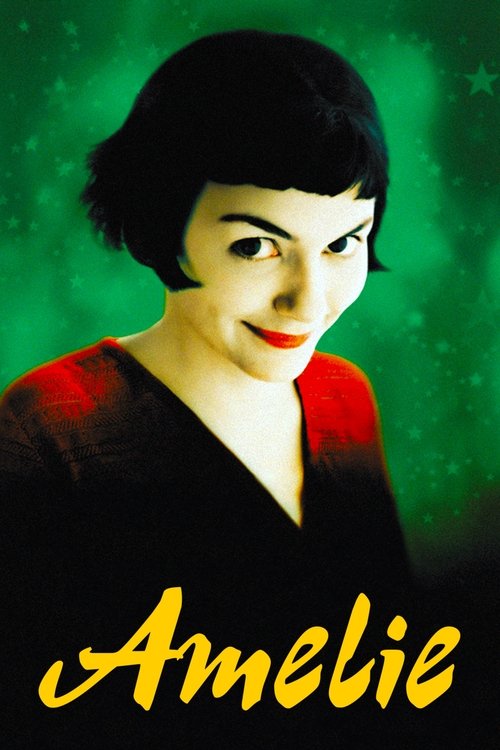
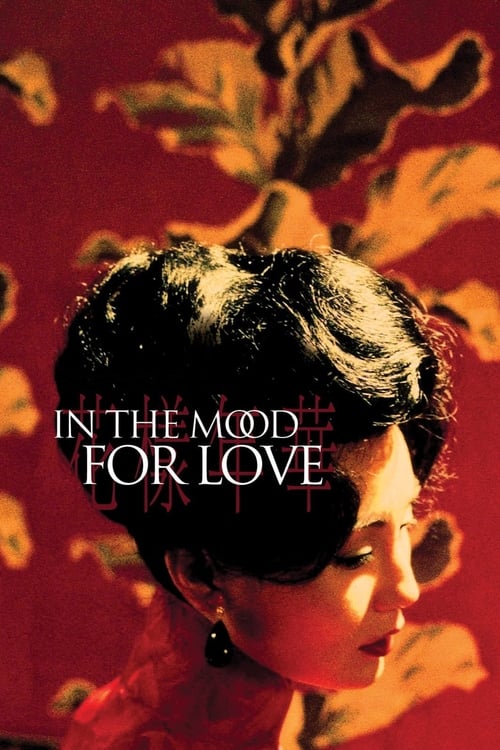
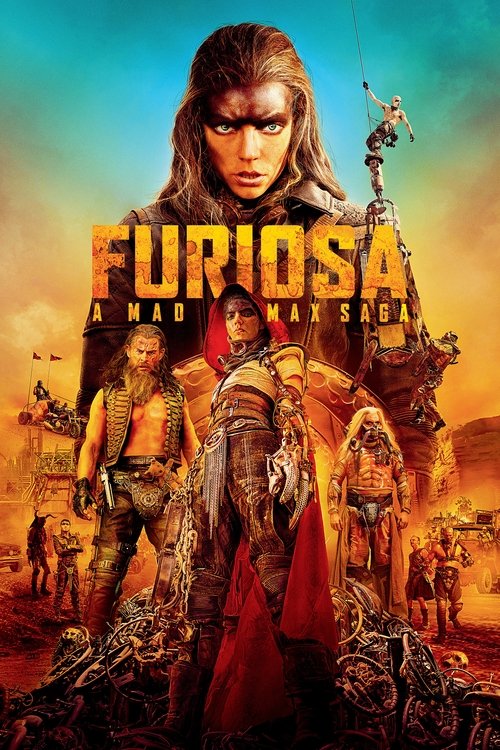
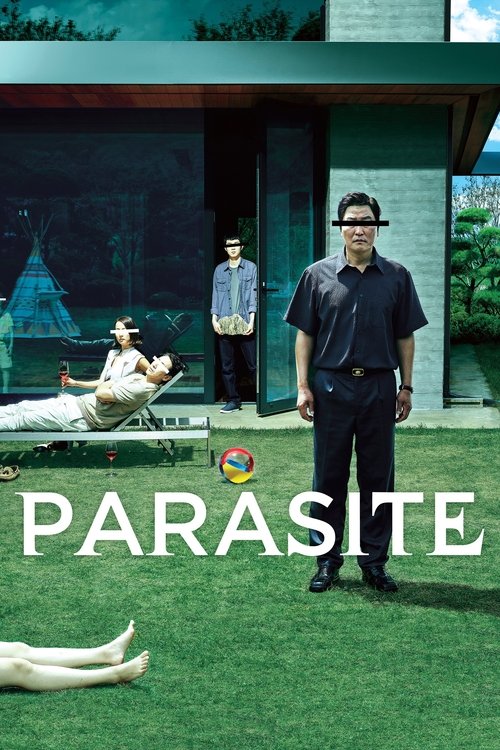
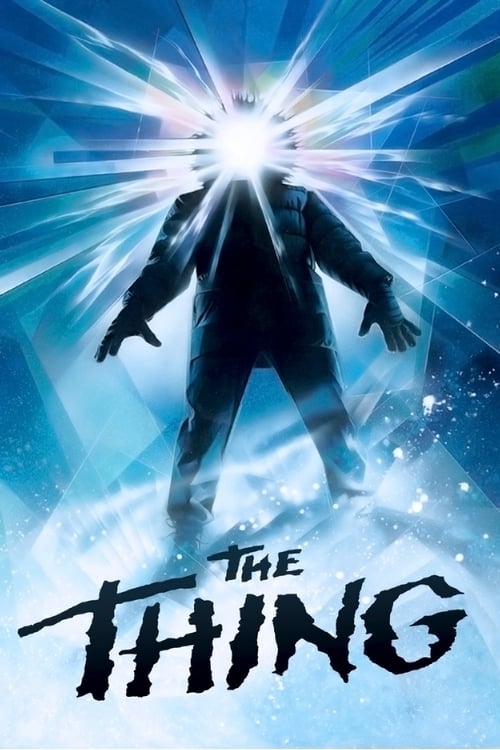
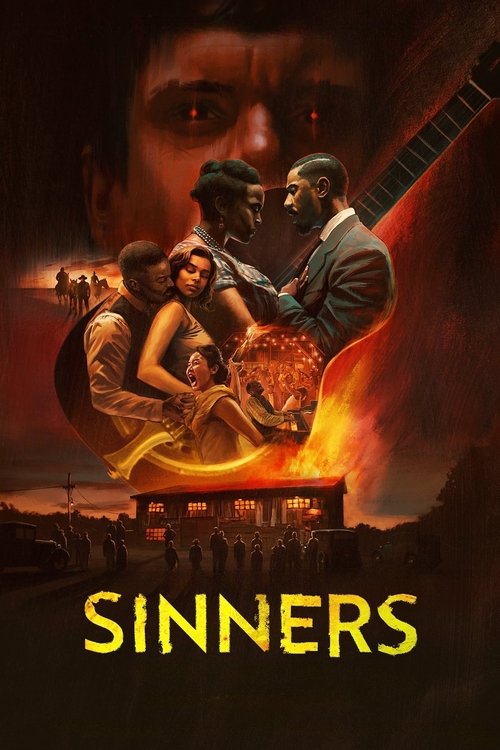
Frames from the finished films — same lens, same light, same moment that reached the screen.