Study the greats · Find refs faster—Filmmakers · Animators · Advertisers
FrameThrower · Actors · Max Minghella
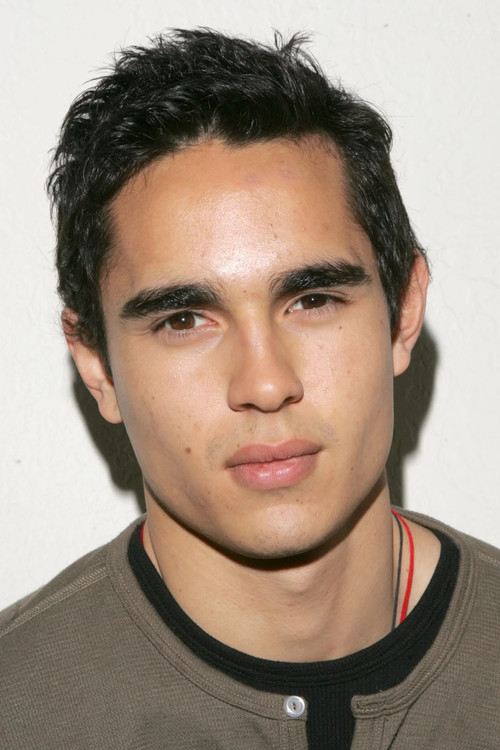
Max Minghella
Leading roles in Horns, The Internship and The Social Network · stills from 3 of their films · 2013–2013
Born 16 September 1985 · Hampstead, London, England, UK
Max Giorgio Choa Minghella is an English actor. He is known for his roles in the films Syriana (2005), Art School Confidential (2006), Elvis and Anabelle (2007), The Social Network (2010), The Darkest Hour (2011), The Ides of March (2011), The Internship (2013), Horns (2013), and Spiral (2021), as well as his role as Nick Blaine in the television series The Handmaid's Tale (2017–2025), which earned him a nomination for a Primetime Emmy Award.
Description above from the Wikipedia article Max Minghella, licensed under CC-BY-SA, full list of contributors on Wikipedia.
How their films are shot
Measured across 196 frames from the 3 films we hold. This is the look of the work Max takes, not a claim about any single frame — we index the cast of a film, never the people in a shot.
Across the 3 films we hold, 53% of their frames are day, 41% natural — the look of the work Max takes.
Time of day
Lighting
Shot size
Camera angle
Mood
Films in the library
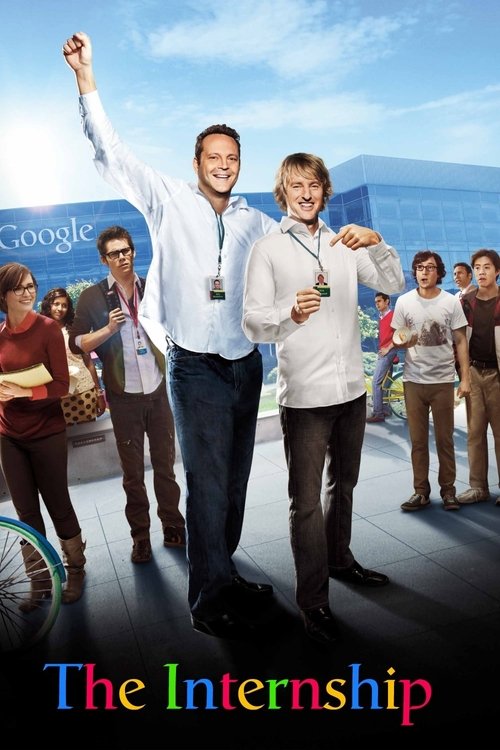
Every poster opens that film — stills, cinematography notes and colour palette.


About Max Minghella
How old is Max Minghella?
Max Minghella was born on 16 September 1985 in Hampstead, London, England, UK, which makes them 41 years old.
What is Max Minghella known for?
Max Giorgio Choa Minghella is an English actor. He is known for his roles in the films Syriana (2005), Art School Confidential (2006), Elvis and Anabelle (2007), The Social Network (2010), The Darkest Hour (2011), The Ides of March (2011), The Internship (2013), Horns (2013), and Spiral (2021), as well as his role as…
What movies has Max Minghella been in?
FrameThrower holds stills from 3 of Max Minghella's films: Horns (2013), The Internship (2013) and The Social Network.
A reference database for filmmakers
FrameThrower is a fully machine-searchable film database and visual reference library — all 196 frames from Max Minghella's 3 films, and 5,000+ films besides, indexed frame by frame and readable by AI. Search it in plain language, from a reference image, or by colour; call it from an API, an MCP server or an SDK. It's the reference layer for making the next movie.