FrameThrower · Actors · Marie-José Nat
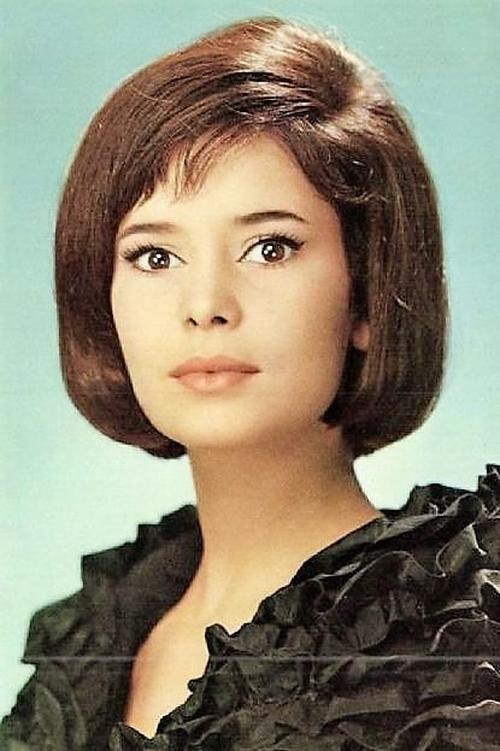
Marie-José Nat
2 films · 130 frames · top-billed in 1 · 1960–1982
Born 20 April 1940 · Bonifacio, Corse, France · died 10 October 2019
Marie-José Benhalassa, known professionally as Marie-José Nat, was a French actress. Among her notable works in cinema were the sequel films Anatomy of a Marriage: My Days with Jean-Marc and Anatomy of a Marriage: My Days with Françoise (1963), directed by André Cayatte. In 1974, she received a Cannes Film Festival Award for Best Actress for her performance in the film Violins at the Ball.
Benhalassa was born in Bonifacio, Corse-du-Sud, to a Kabyle Berber father, Abdelkader Benhalassa, and a Corsican mother, Vincentine (Biancarelli).
In 1960, she married the actor Roger Dumas and divorced him in 1962.…
Awards
On FrameThrower we have: 2 films · 130 frames · top-billed in 1 · 1960–1982
- Cannes Film Festival Award for Best Actress1974
- Officer of the National Order of Merit2011
- Knight of the Legion of Honour2004
- Knight of the National Order of Merit2002
- Commandeur des Arts et des Lettres
How their films are shot
Measured across 130 frames from the 2 films we hold. This is the look of the work Marie-José takes, not a claim about any single frame — we index the cast of a film, never the people in a shot.
Across the 2 films we hold, 54% of their frames are day, 52% natural — the look of the work Marie-José takes.
Time of day
Lighting
Shot size
Camera angle
Mood
Films in the library
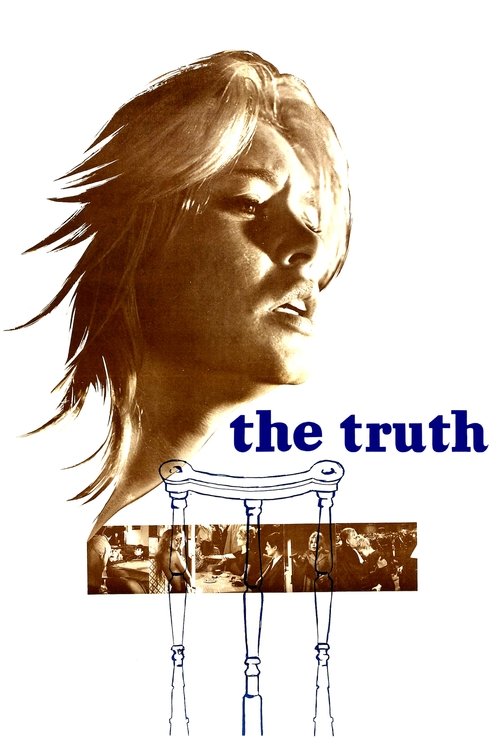
Every poster opens that film — stills, cinematography notes and colour palette.

A reference database for filmmakers
FrameThrower is a fully machine-searchable film database and visual reference library — all 130 frames from Marie-José Nat's 2 films, and 5,000+ films besides, indexed frame by frame and readable by AI. Search it in plain language, from a reference image, or by colour; call it from an API, an MCP server or an SDK. It's the reference layer for making the next movie.