FrameThrower · Actors · Jeremy Davies
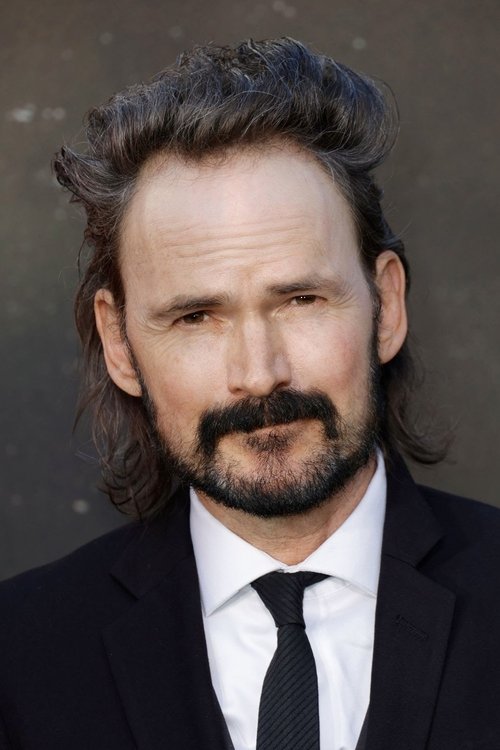
Jeremy Davies
9 films · 652 frames · top-billed in 2 · 1998–2021
Born 8 October 1969 · Saugus, California, USA
Jeremy Boring, known professionally as Jeremy Davies, is an American film and television actor. He is known for playing Ray Aibelli in Spanking the Monkey (1994), Corporal Timothy Upham in Saving Private Ryan (1998), Snow in Solaris (2002), Bill Henson in Dogville (2003), Charles Manson in Helter Skelter (2004), Sergeant Gene DeBruin in Rescue Dawn (2006) and Daniel Faraday on the series Lost (2008–2010).
Davies won an Emmy Award for Outstanding Guest Actor in a Drama Series in 2012 for his portrayal of Dickie Bennett in the series Justified (2011–2015). He also received the BAFTA Award for Best Performance in a Video Game for his role as Baldur in God of War (2018).
Description above from the Wikipedia article Jeremy Davies, licensed under CC-BY-SA, full list of contributors on Wikipedia.
Awards
On FrameThrower we have: 9 films · 652 frames · top-billed in 2 · 1998–2021
- British Academy Games Award for Performer2019
- Primetime Emmy Award for Outstanding Guest Actor in a Drama Series2012
How their films are shot
Measured across 652 frames from the 9 films we hold. This is the look of the work Jeremy takes, not a claim about any single frame — we index the cast of a film, never the people in a shot.
Across the 9 films we hold, 46% of their frames are night, 44% low key — the look of the work Jeremy takes.
Time of day
Lighting
Shot size
Camera angle
Mood
Films in the library
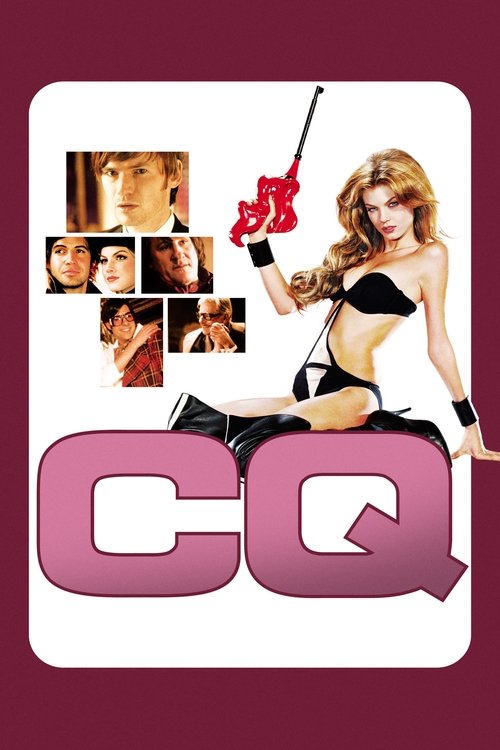
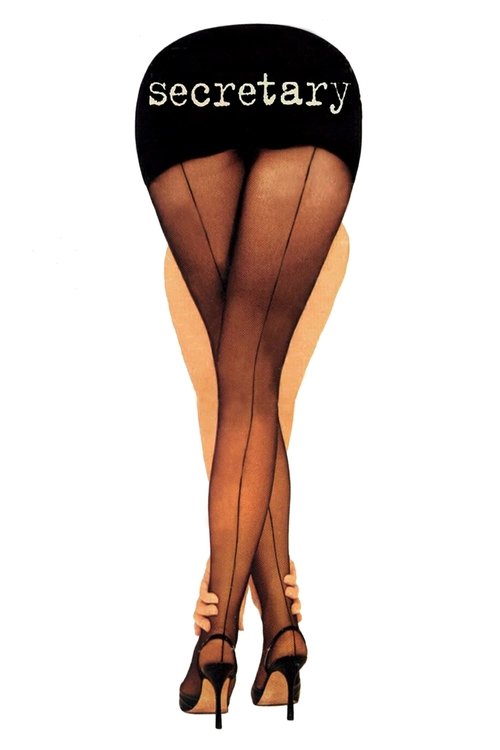
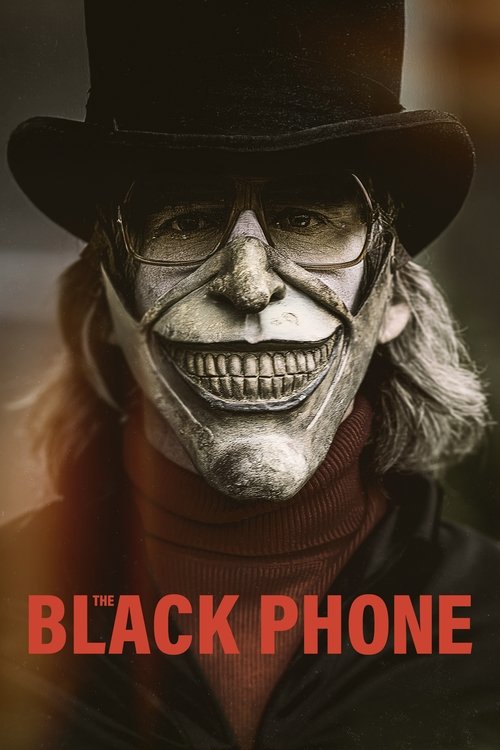
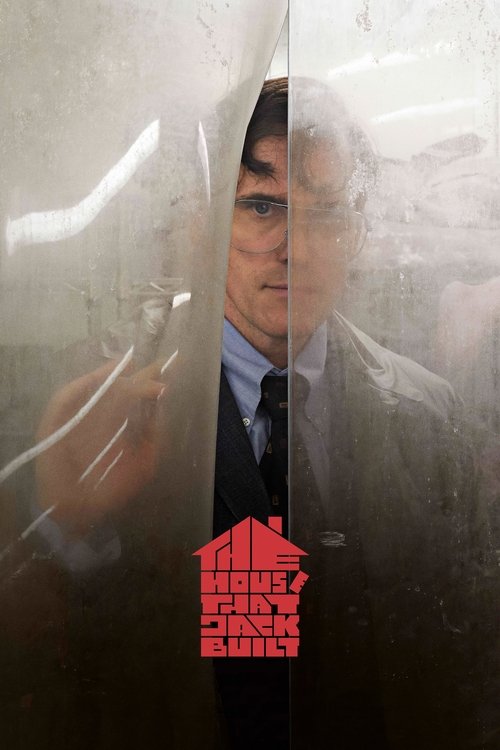
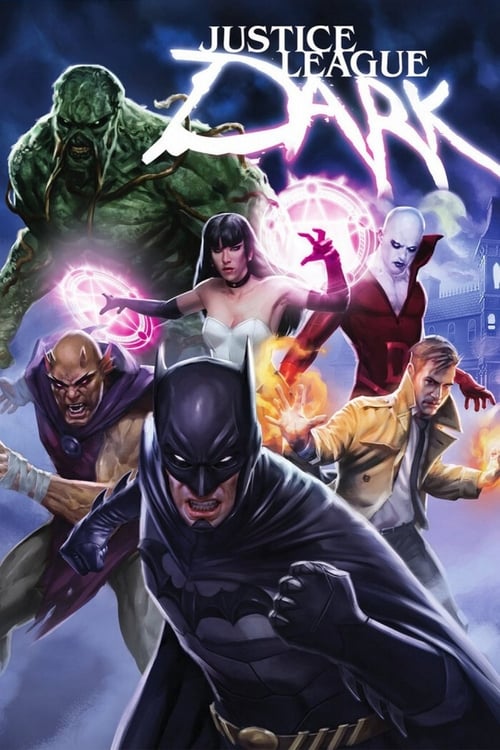
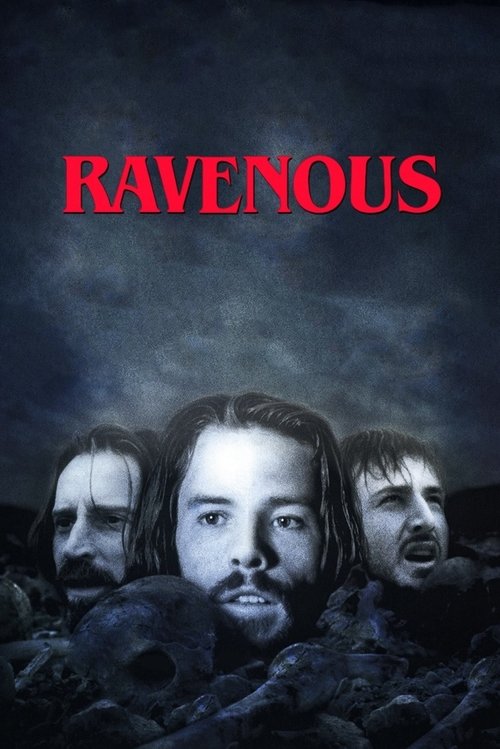
Every poster opens that film — stills, cinematography notes and colour palette.



A reference database for filmmakers
FrameThrower is a fully machine-searchable film database and visual reference library — all 652 frames from Jeremy Davies's 9 films, and 5,000+ films besides, indexed frame by frame and readable by AI. Search it in plain language, from a reference image, or by colour; call it from an API, an MCP server or an SDK. It's the reference layer for making the next movie.