Study the greats · Find refs faster—Filmmakers · Animators · Advertisers
FrameThrower · Actors · Cesare Danova
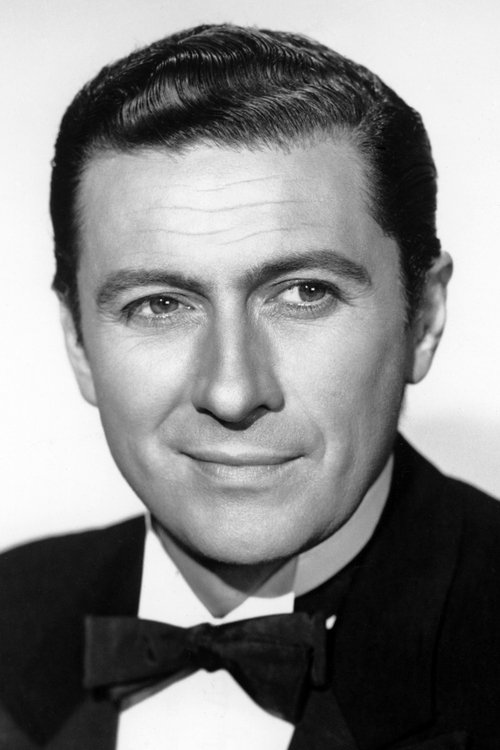
Cesare Danova
Leading roles in Viva Las Vegas and Mean Streets · stills from 2 of their films · 1964–1973
Born 1 March 1926 · Bergamo, Italy · died 19 March 1992
From Wikipedia, the free encyclopedia.
Cesare Danova, born Cesare Deitinger in Bergamo, Italy, was a television and screen actor. He adopted the stage name Danova when he turned to acting in Rome at the end of World War II. He migrated to the United States in the 1950s to make the film Don Giovanni (Don Juan) in 1955. He was contracted to MGM in 1956.
Other appearances include The Man Who Understood Women. He tested for a part in Ben Hur, but his big break was the role of Apollodorus, Cleopatra's personal servant in the 1963 film, Cleopatra directed by Joseph Mankiewicz and starring Elizabeth Taylor, Richard Burton and Rex Harrison.…
How their films are shot
Measured across 128 frames from the 2 films we hold. This is the look of the work Cesare takes, not a claim about any single frame — we index the cast of a film, never the people in a shot.
Across the 2 films we hold, 52% of their frames are night, 46% low key — the look of the work Cesare takes.
Time of day
Lighting
Shot size
Camera angle
Mood
Films in the library
Every poster opens that film — stills, cinematography notes and colour palette.


About Cesare Danova
How old is Cesare Danova?
Cesare Danova was born on 1 March 1926 in Bergamo, Italy and died on 19 March 1992.
What is Cesare Danova known for?
From Wikipedia, the free encyclopedia. Cesare Danova, born Cesare Deitinger in Bergamo, Italy, was a television and screen actor. He adopted the stage name Danova when he turned to acting in Rome at the end of World War II. He migrated to the United States in the 1950s to make the film Don Giovanni (Don Juan) in 1955.
What movies has Cesare Danova been in?
FrameThrower holds stills from 2 of Cesare Danova's films: Mean Streets (1973) and Viva Las Vegas (1964).
A reference database for filmmakers
FrameThrower is a fully machine-searchable film database and visual reference library — all 128 frames from Cesare Danova's 2 films, and 5,000+ films besides, indexed frame by frame and readable by AI. Search it in plain language, from a reference image, or by colour; call it from an API, an MCP server or an SDK. It's the reference layer for making the next movie.