

Funeral Parade of Roses (1969)
Directed by Toshio Matsumoto · Cinematography by Tatsuo Suzuki
105 min52 frames
Drama
Who's the fairest of them all?
Stills, screencaps & shots from Funeral Parade of Roses
16 of 52 frames — the full set is searchable by lighting, lens, shot size, color and mood with a free account.
Funeral Parade of Roses — official trailer
What is Funeral Parade of Roses about?
In 1960s Tokyo, Gonda owns a bar in which the gay, cross-dresser, and trans scenes meet. Gonda is in a relationship with the madam of the bar, Leda. As the younger Eddie starts a passionate affair with Gonda, she ignites the jealousy of Leda, unaware of another kind of history between them.
Funeral Parade of Roses is a 1969 Japanese experimental film written and directed by Toshio Matsumoto. It is a loose adaptation of the Greek tragedy Oedipus Rex, set in the underground gay culture of 1960s Tokyo. Considered part of the Angura film movement, it combines elements of arthouse, documentary, and experimental filmmaking. The film centers 'gay-boy' Eddie, a young transgender woman working at a gay bar in Tokyo played by well-known Japanese gay entertainer Peter. The plot follows Eddie as she engages in a sexual relationship with the bar's owner, who promotes her as the lead girl of the establishment. According to Matsumoto, Funeral Parade of Roses is "in a way a film about filmmaking" and "a film about boundaries".
Second paragraph from Wikipedia, available under CC BY-SA 4.0.
Where can you watch Funeral Parade of Roses?


US availability for Funeral Parade of Roses (1969). Data by JustWatch, listings on TMDB. Availability changes — check the provider for current listings.
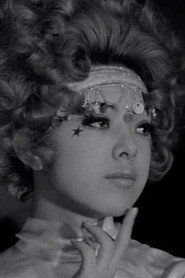
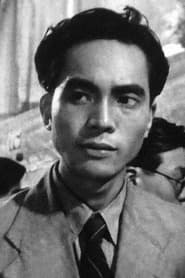
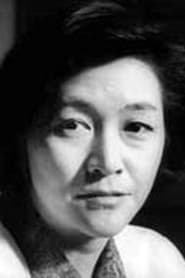
Who stars in Funeral Parade of Roses?
Who made Funeral Parade of Roses?
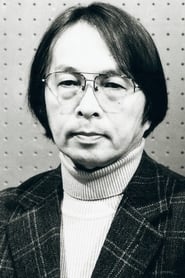 Toshio MatsumotoDirector
 Tatsuo SuzukiCinematography
- Mitsuru KudoProducer
- Keiko MachidaProducer
What does the cinematography of Funeral Parade of Roses look like?
Across 52 sampled frames, Funeral Parade of Roses builds its coverage from close-ups (52% of the sample), with medium shots (25%) carrying much of the rest. Cinematographer Tatsuo Suzuki keeps 40% of it in soft, high-key light. Vintage glass shapes the frame. Focus stays shallow in 71% of the frames, isolating subjects from their surroundings. The production design places the film in the 1960s.
What is the color palette of Funeral Parade of Roses?
The dominant colors across the sampled frames of Funeral Parade of Roses (1969) are #030303, #fbfbfb, #cdcdcd, #858585, #474747, #acacac — measured from the per-frame color data FrameThrower extracts for every film.
#030303#fbfbfb#cdcdcd#858585#474747#acacac
See the full Funeral Parade of Roses colour palette — every hex with its share, plus warmth, saturation and luminance.
A reference database for filmmakers
FrameThrower is a fully machine-searchable film database and visual reference library — all 52 frames of Funeral Parade of Roses (1969), and 5,000+ films besides, indexed frame by frame and readable by AI. Search it in plain language, from a reference image, or by colour; call it from an API, an MCP server or an SDK. It's the reference layer for making the next movie.
Techniques in this film
More Drama films
- In Cold Blood (1967)
- In Front Of Your Face (2021)
- In the Bedroom (2001)
- In The Cut (2003)
- In The Heart of the Sea (2014)
- In the Heat of the Night (1967)
- In the Line of Duty: Smoke Jumpers (1996)
- In the Middle of the World (1990)
- In the Mood for Love (2000)
- In The Realm of the Senses (1976)
- In The Tall Grass (2019)
- In Which We Serve (1942)
Cast, trailer and streaming data from TMDB. This product uses the TMDB API but is not endorsed or certified by TMDB.