
Takashi Miike
Film director · 3 films (2001–2003)
Takashi Miike is a director whose work here spans Ichi The Killer (2001) to Gozu (2003), across horror and crime. 2 of those films were photographed by Hideo Yamamoto. All 144 frames from 3 films are indexed here, searchable by lighting, lens, shot size, colour and mood.
Takashi Miike is a highly prolific and controversial Japanese filmmaker. He has directed over one hundred theatrical, video, and television productions since his debut in 1991.
Born 24 August 1960 · Yao, Osaka Prefecture, Japan
Directing style
Takashi Miike’s visual style relies on a tense and lonely atmosphere, built primarily through medium shots and closeups framed at eye-level within interior spaces at night. He favors a shallow depth of field to isolate subjects, illuminating his scenes with practical fixtures, sunlight, or fluorescent tubes. His color palettes lean toward cool, desaturated tones and warm, earthy hues—such as muted golds, slate grays, and deep browns—to reinforce the ominous mood of his horror and crime narratives.
Awards
- Sitges Grand Honorary Award · 2013
- Nikkan Sports Film Award for Best Director · 2010
- Time Machine Award · 2003
- Mainichi Film Award for Best Director
- Dr.M.A Wazed Miah Gold Medal
Films directed by Takashi Miike


About Takashi Miike
When was Takashi Miike born?
Takashi Miike was born on 24 August 1960 in Yao, Osaka Prefecture, Japan.
What films has Takashi Miike directed?
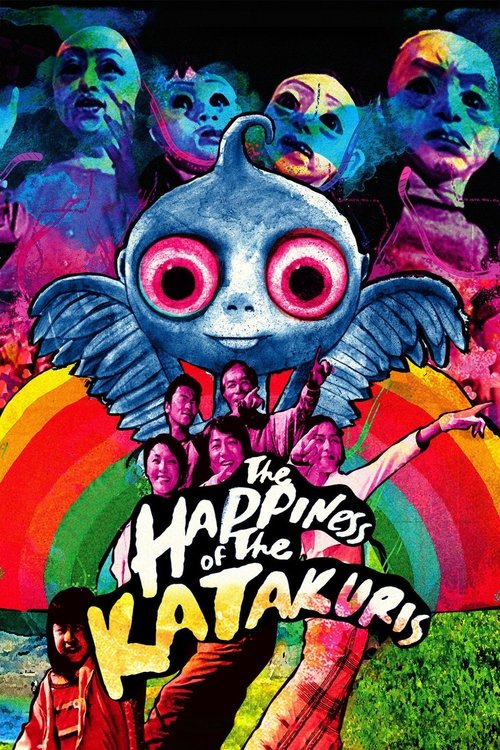
FrameThrower holds stills from 3 of them: Ichi The Killer (2001), The Happiness of the Katakuris (2001) and Gozu (2003).
What awards has Takashi Miike won?
Sitges Grand Honorary Award (2013), Nikkan Sports Film Award for Best Director (2010), Time Machine Award (2003) and Mainichi Film Award for Best Director.
Search every frame of Takashi Miike’s films
All 144 indexed frames from 3 films directed by Takashi Miike — searchable by lighting, lens, shot size, mood or plain language.