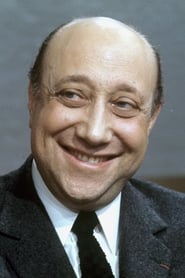
Jean-Pierre Melville
Film director · 7 films (1956–1972)
Jean-Pierre Melville is a director whose work here spans Bob le Flambeur (1956) to Un Flic (1972), across drama and crime. 4 of those films were photographed by Henri Decaë. All 428 frames from 7 films are indexed here, searchable by lighting, lens, shot size, colour and mood.
Jean-Pierre Grumbach, known professionally as Jean-Pierre Melville (French: [mɛlvil]), was a French filmmaker. Considered a spiritual father of the French New Wave, he was one of the first fully-independent French filmmakers to achieve commercial and critical success.
Born 20 October 1917 · Paris, France · died 2 August 1973
Directing style
Melville constructs a tense, lonely underworld by confining his crime dramas and thrillers to dimly lit interior spaces and night exteriors. He anchors the camera at a strict eye-level perspective, favoring medium shots and wide compositions that isolate characters within desaturated, cool-toned color grades or stark black-and-white palettes dominated by deep blues, slates, and heavy blacks. This formal restraint is shaped by motivated lighting from practical fixtures and windows, utilizing a nearly equal balance of shallow and deep depth of field to control the focus of his clinical, suspenseful frames.
Awards
- Knight of the Legion of Honour
Films directed by Jean-Pierre Melville


About Jean-Pierre Melville
When was Jean-Pierre Melville born?
Jean-Pierre Melville was born on 20 October 1917 in Paris, France and died on 2 August 1973.
What films has Jean-Pierre Melville directed?
FrameThrower holds stills from 7 of them: Bob le Flambeur (1956), Léon Morin, Priest (1961), Le Doulos (1962), Le Samouraï (1967), The Army of Shadows (1969), Le Cercle Rouge (1970) and Un Flic (1972).
What awards has Jean-Pierre Melville won?
Knight of the Legion of Honour.
Search every frame of Jean-Pierre Melville’s films
All 428 indexed frames from 7 films directed by Jean-Pierre Melville — searchable by lighting, lens, shot size, mood or plain language.