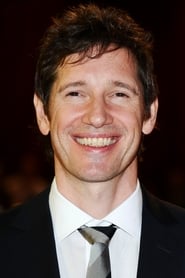
Paul W. S. Anderson
Film director · 6 films (1997–2020)
Paul W. S. Anderson is a director whose work here spans Event Horizon (1997) to Monster Hunter (2020), across horror and science fiction. 4 of those films were photographed by Glen MacPherson. The work runs wide — 33% of frames across the 6 films indexed here, against 20% library-wide. All 365 frames from 6 films are indexed here, searchable by lighting, lens, shot size, colour and mood.
Paul William Scott Anderson, also known as Paul WS Anderson or Paul Anderson, is an English film director who regularly works in science fiction movies and video game adaptations.
Born 4 March 1965 · Newcastle-upon-Tyne, England, UK
Directing style
Paul W. S. Anderson constructs tense, ominous action-fantasy landscapes by favoring expansive, sunlit exteriors shot at eye level, utilizing a balanced mix of wide establishing shots to map the environment and shallow-depth-of-field closeups to isolate characters. The visual palette is defined by a cool, desaturated color grade dominated by slate blues, dusty sages, and muted earth tones, occasionally punctuated by natural firelight during night sequences. This approach grounds the high-concept adventure in a gritty, starkly realistic atmosphere where characters feel solitary and exposed within vast, unforgiving terrains.
Films directed by Paul W. S. Anderson



About Paul W. S. Anderson
When was Paul W. S. Anderson born?
Paul W. S. Anderson was born on 4 March 1965 in Newcastle-upon-Tyne, England, UK.
What films has Paul W. S. Anderson directed?
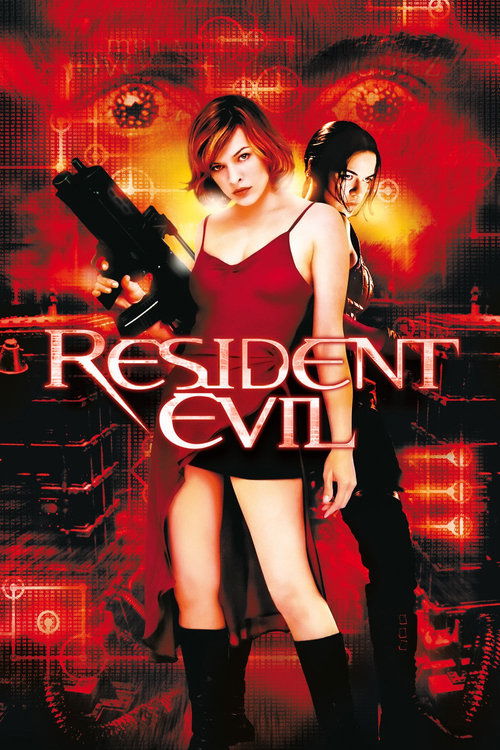
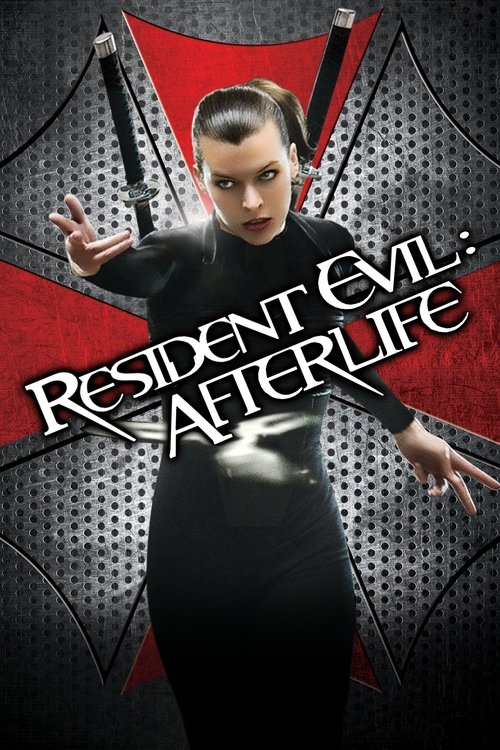
FrameThrower holds stills from 6 of them: Event Horizon (1997), Resident Evil (2002), Resident Evil: Afterlife (2010), Resident Evil: Retribution (2012), Resident Evil: The Final Chapter (2016) and Monster Hunter (2020).
Search every frame of Paul W. S. Anderson’s films
All 365 indexed frames from 6 films directed by Paul W. S. Anderson — searchable by lighting, lens, shot size, mood or plain language.