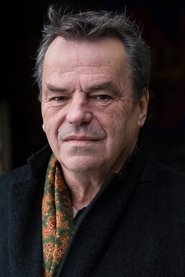
Neil Jordan
Film director · 11 films (1984–2023)
Neil Jordan is a director whose work here spans The Company of Wolves (1984) to Marlowe (2023), across drama and thriller. 2 of those films were photographed by Chris Menges. The work runs low-key — 63% of frames across the 11 films indexed here, against 40% library-wide. All 833 frames from 11 films are indexed here, searchable by lighting, lens, shot size, colour and mood.
Neil Patrick Jordan is an Irish filmmaker and novelist. He won the Academy Award for Best Original Screenplay for The Crying Game (1992).
Born 25 February 1950 · Sligo, Ireland
Directing style
Neil Jordan constructs tense, isolating interior worlds and nocturnal spaces, staging the majority of his scenes at eye-level to maintain a grounded, intimate perspective. He favors medium shots and closeups rendered with a shallow depth of field, isolating characters against cool, desaturated backgrounds or under the dim, localized glow of practical fixtures and window light. This melancholic atmosphere is punctuated by a palette of deep slate, muted earth tones, and stark, contrasting accents of vivid red.
Awards
- Academy Award for Best Writing, Original Screenplay · 1993
- Sitges Grand Honorary Award · 2012
- honorary doctorate · 2010
- Rooney Prize for Irish Literature · 1981
- Writers Guild of America Award
- Irish PEN Award
Films directed by Neil Jordan




About Neil Jordan
When was Neil Jordan born?
Neil Jordan was born on 25 February 1950 in Sligo, Ireland.
What films has Neil Jordan directed?
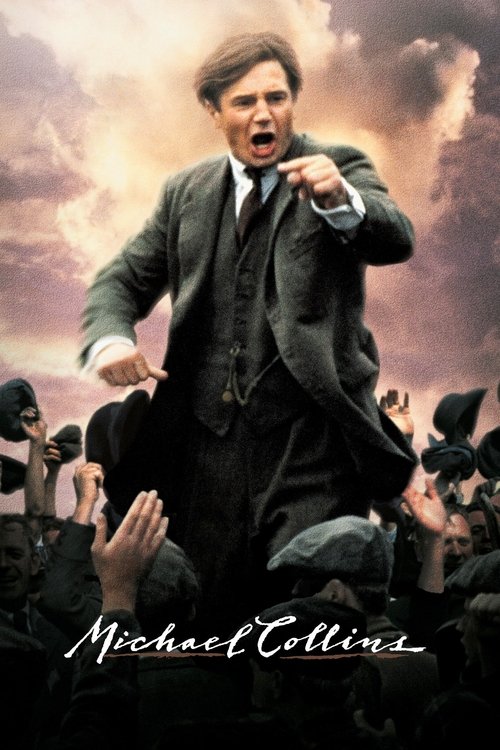
FrameThrower holds stills from 11 of them: The Company of Wolves (1984), The Crying Game (1992), Michael Collins (1996), In Dreams (1999), The Good Thief (2002), Breakfast On Pluto (2005), Ondine (2009) and Byzantium (2012) and more.
What awards has Neil Jordan won?
Academy Award for Best Writing, Original Screenplay (1993), Sitges Grand Honorary Award (2012), honorary doctorate (2010) and Rooney Prize for Irish Literature (1981).
Search every frame of Neil Jordan’s films
All 833 indexed frames from 11 films directed by Neil Jordan — searchable by lighting, lens, shot size, mood or plain language.