Study the greats · Find refs faster—Filmmakers · Animators · Advertisers
FrameThrower · Actors · Pier Paolo Pasolini
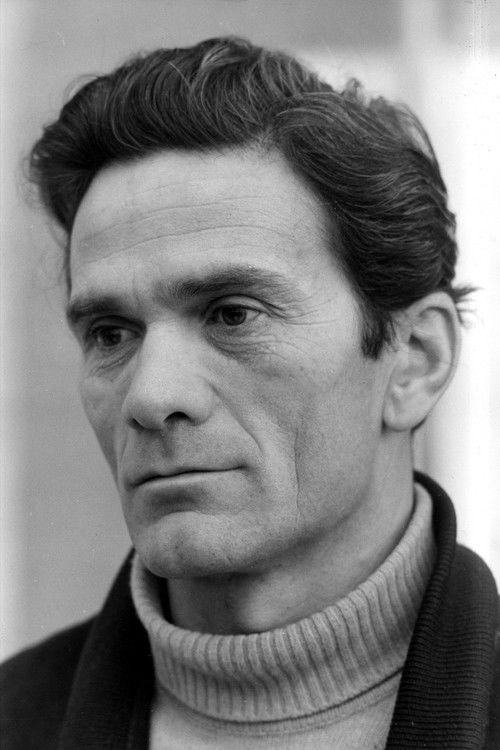
Pier Paolo Pasolini
Leading roles in Salò, or the 120 Days of Sodom and The Canterbury Tales · stills from 2 of their films · 1972–1975
Born 5 March 1922 · Bologna, Emilia-Romagna, Italy · died 2 November 1975
Pier Paolo Pasolini was an Italian film director, poet, writer, and intellectual. Pasolini distinguished himself as a poet, journalist, philosopher, linguist, novelist, playwright, filmmaker, newspaper and magazine columnist, actor, painter and political figure. He demonstrated a unique and extraordinary cultural versatility, becoming a highly controversial figure in the process.
Awards
On FrameThrower we have: 2 films · 124 frames · top-billed in 1 · 1972–1975
- Cannes Film Festival Grand Prix
- Grand Jury Prize of the Venice Film Festival1964
- Golden Bear1972
- Silver Bear1971
- Jussi Awards1968
- Crotone Prize1959
- Best Screenplay Award1958
- Viareggio Prize1957
- Kinema Junpo
- Sant Jordi Prize
- Nastro d'Argento for Best Subject
- Nastro d'Argento for the director of the best film
How their films are shot
Measured across 124 frames from the 2 films we hold. This is the look of the work Pier takes, not a claim about any single frame — we index the cast of a film, never the people in a shot.
Across the 2 films we hold, 66% of their frames are day, 61% natural — the look of the work Pier takes.
Time of day
Lighting
Shot size
Camera angle
Mood
Films in the library
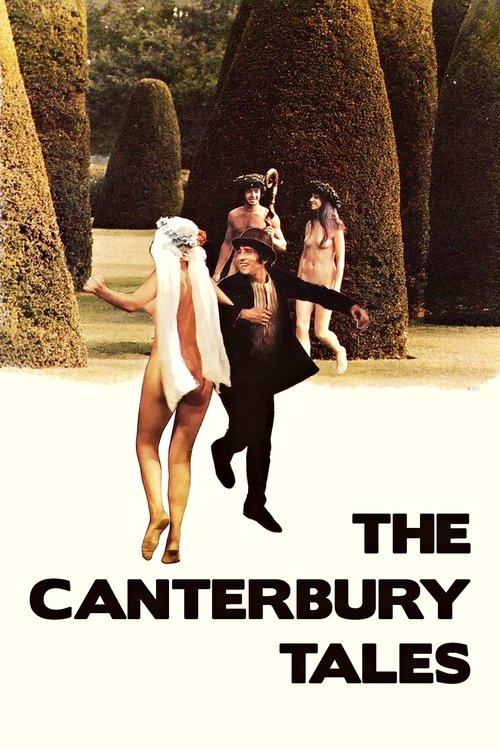
Every poster opens that film — stills, cinematography notes and colour palette.

About Pier Paolo Pasolini
How old is Pier Paolo Pasolini?
Pier Paolo Pasolini was born on 5 March 1922 in Bologna, Emilia-Romagna, Italy and died on 2 November 1975.
What is Pier Paolo Pasolini known for?
Pier Paolo Pasolini was an Italian film director, poet, writer, and intellectual. Pasolini distinguished himself as a poet, journalist, philosopher, linguist, novelist, playwright, filmmaker, newspaper and magazine columnist, actor, painter and political figure.
What movies has Pier Paolo Pasolini been in?
FrameThrower holds stills from 2 of Pier Paolo Pasolini's films: Salò, or the 120 Days of Sodom (1975) and The Canterbury Tales (1972).
What awards has Pier Paolo Pasolini won?
Cannes Film Festival Grand Prix, Grand Jury Prize of the Venice Film Festival (1964), Golden Bear (1972) and Silver Bear (1971).
A reference database for filmmakers
FrameThrower is a fully machine-searchable film database and visual reference library — all 124 frames from Pier Paolo Pasolini's 2 films, and 5,000+ films besides, indexed frame by frame and readable by AI. Search it in plain language, from a reference image, or by colour; call it from an API, an MCP server or an SDK. It's the reference layer for making the next movie.