FrameThrower · Actors · Tom Courtenay
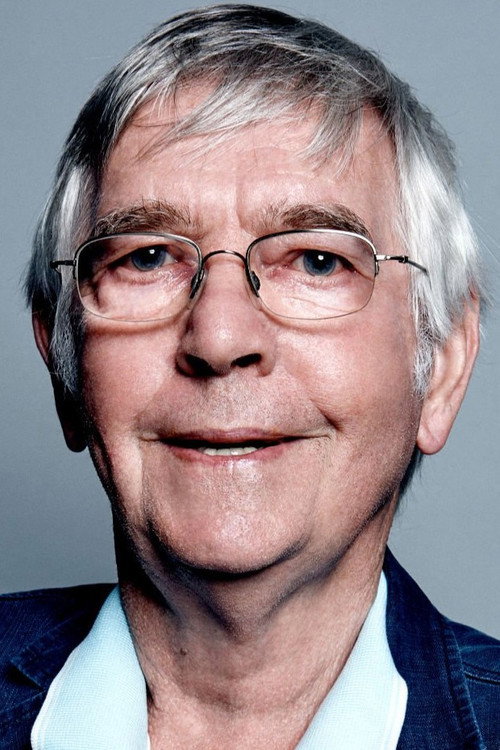
Tom Courtenay
4 films · 317 frames · top-billed in 2 · 1964–2015
Born 25 February 1937 · Kingston-Upon-Hull, East Riding of Yorkshire, England, UK
An English actor who came to prominence in the early 1960s with a succession of films including The Loneliness of the Long Distance Runner (1962), Billy Liar (1963), and Dr. Zhivago (1965). Since the mid-1960s he has been known primarily for his work in the theatre. Courtenay received a knighthood in February 2001 for forty years' service to cinema and theatre. Courtenay is the President of Hull City A.F.C.'s Official Supporters Club. In 1999, he was awarded an honorary doctorate by Hull University.
Description above from the Wikipedia article Tom Courtenay, licensed under CC-BY-SA, full list of contributors on Wikipedia.
Awards
On FrameThrower we have: 4 films · 317 frames · top-billed in 2 · 1964–2015
- British Academy Television Award for Best Supporting Actor2016
- Volpi Cup for Best Actor
- Silver Bear for Best Supporting Performance2026
- Silver Bear for Best Actor2015
- Knight Bachelor
How their films are shot
Measured across 317 frames from the 4 films we hold. This is the look of the work Tom takes, not a claim about any single frame — we index the cast of a film, never the people in a shot.
Across the 4 films we hold, 47% of their frames are day, 46% natural — the look of the work Tom takes.
Time of day
Lighting
Shot size
Camera angle
Mood
Films in the library
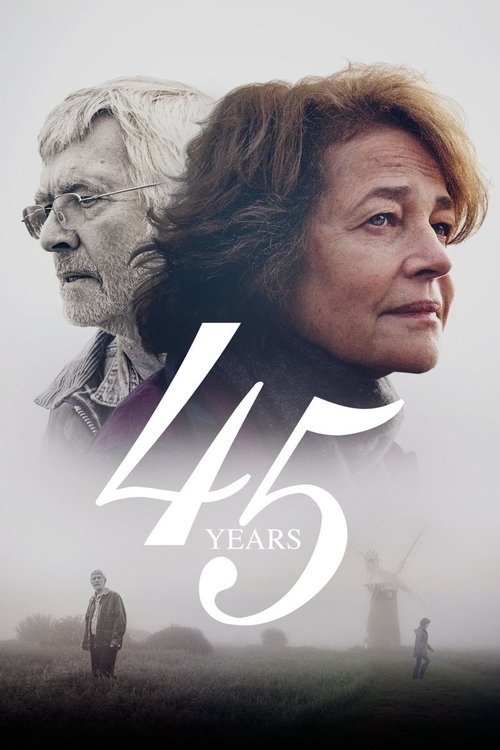
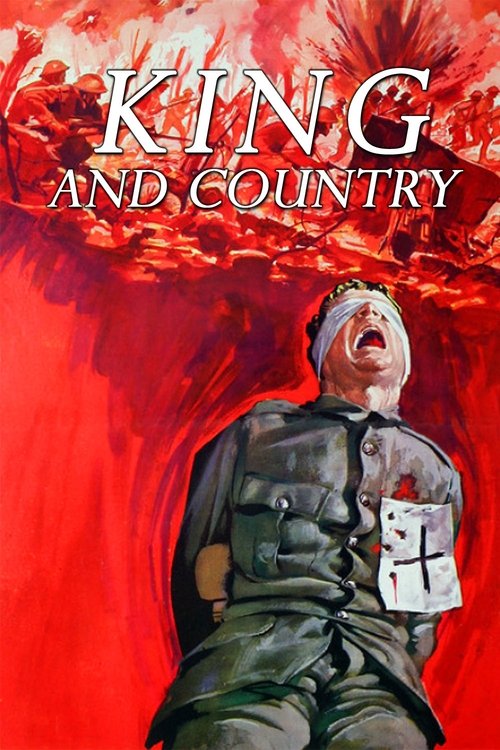
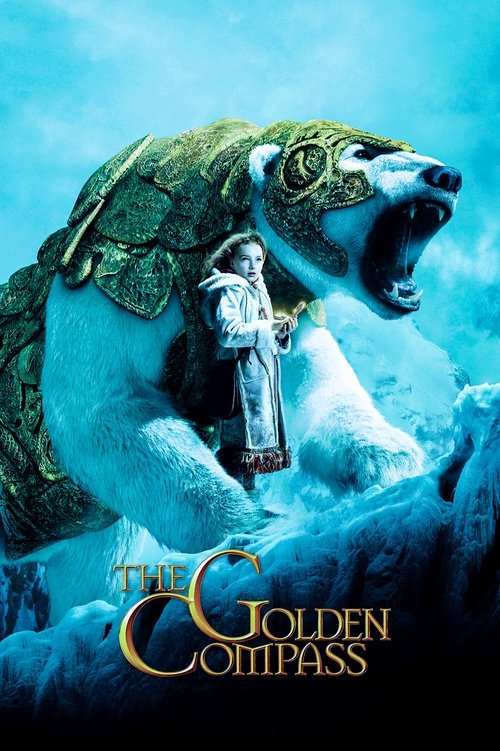
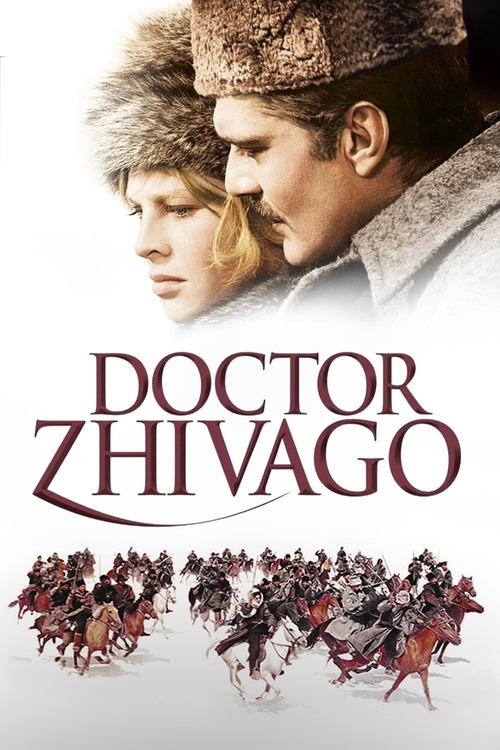
Every poster opens that film — stills, cinematography notes and colour palette.
A reference database for filmmakers
FrameThrower is a fully machine-searchable film database and visual reference library — all 317 frames from Tom Courtenay's 4 films, and 5,000+ films besides, indexed frame by frame and readable by AI. Search it in plain language, from a reference image, or by colour; call it from an API, an MCP server or an SDK. It's the reference layer for making the next movie.