FrameThrower · Actors · Ryan O'Neal
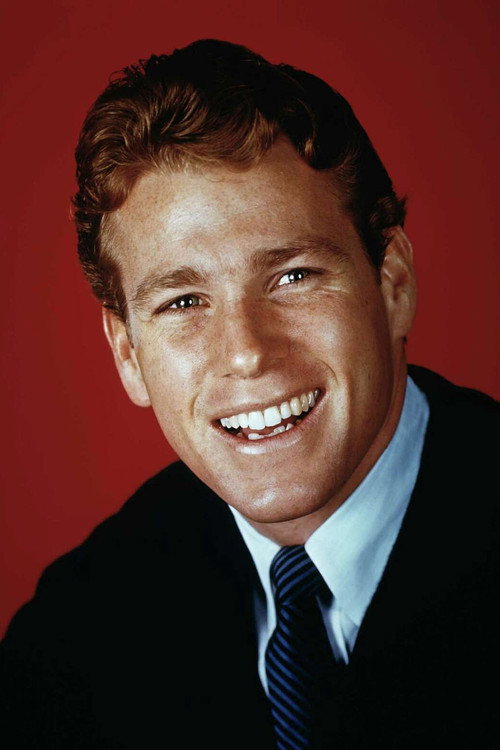
Ryan O'Neal
4 films · 245 frames · top-billed in 4 · 1971–1978
Born 20 April 1941 · Los Angeles, California, USA · died 8 December 2023
Charles Patrick Ryan O'Neal was an American actor and former boxer. O'Neal trained as an amateur boxer before beginning his career in acting in 1960. In 1964, he landed the role of Rodney Harrington on the ABC nighttime soap opera Peyton Place. The series was an instant hit and boosted O'Neal's career.
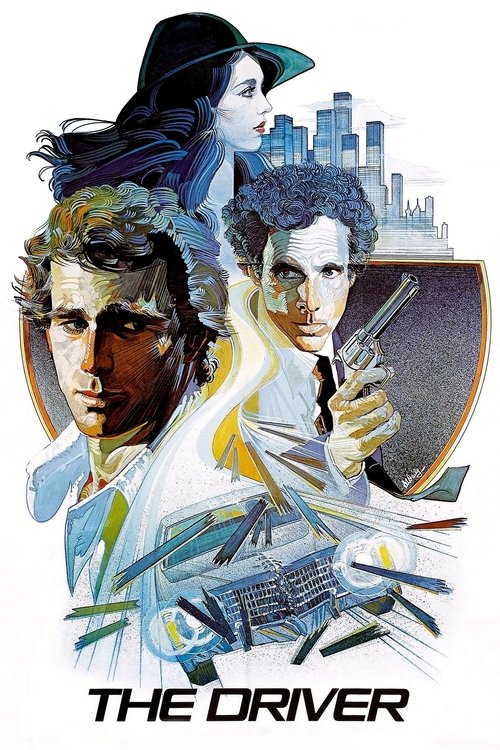
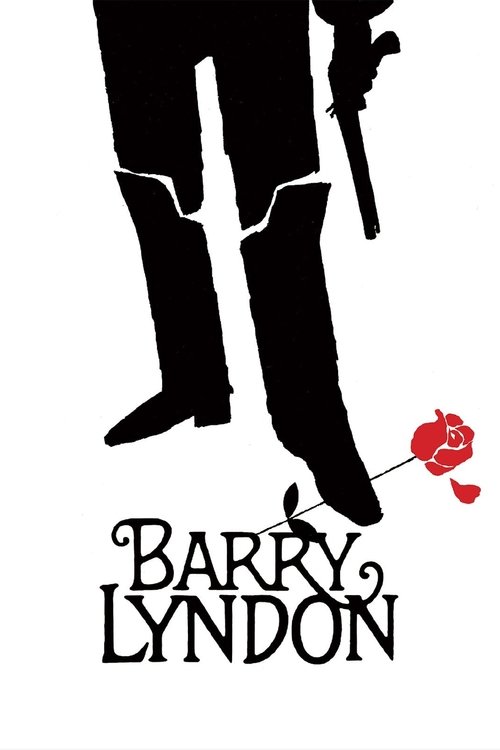
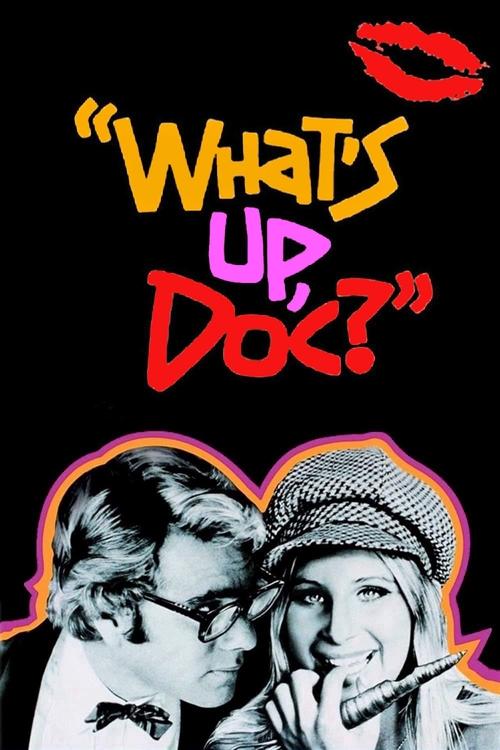
He later found success in films, most notably Love Story (1970), for which he received Academy Award and Golden Globe nominations as Best Actor, Peter Bogdanovich's What's Up, Doc? (1972) and Paper Moon (1973), Stanley Kubrick's Barry Lyndon (1975), Richard Attenborough's A Bridge Too Far (1977), and Walter Hill's The Driver (1978).
From 2005 to 2017, he had a recurring role in the Fox TV series Bones as Max, the father of the show's protagonist.
Awards
On FrameThrower we have: 4 films · 245 frames · top-billed in 4 · 1971–1978
- David di Donatello for Best Foreign Actor1971
- star on Hollywood Walk of Fame
How their films are shot
Measured across 245 frames from the 4 films we hold. This is the look of the work Ryan takes, not a claim about any single frame — we index the cast of a film, never the people in a shot.
Across the 4 films we hold, 61% of their frames are day, 53% natural — the look of the work Ryan takes.
Time of day
Lighting
Shot size
Camera angle
Mood
Films in the library
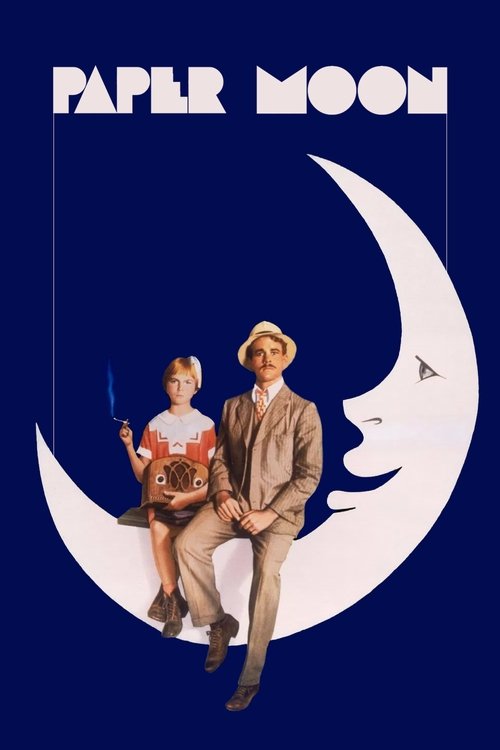
Every poster opens that film — stills, cinematography notes and colour palette.
Often with
Shared films in this library, not a full filmography.
A reference database for filmmakers
FrameThrower is a fully machine-searchable film database and visual reference library — all 245 frames from Ryan O'Neal's 4 films, and 5,000+ films besides, indexed frame by frame and readable by AI. Search it in plain language, from a reference image, or by colour; call it from an API, an MCP server or an SDK. It's the reference layer for making the next movie.