Study the greats · Find refs faster—Filmmakers · Animators · Advertisers
FrameThrower · Actors · Rufus

Rufus
Leading roles in Amelie, Delicatessen and The Tenant · stills from 4 of their films · 1976–2001
Born 19 December 1942 · Riom, Puy-de-Dôme, France
Rufus is the stage name of French actor Jacques Narcy. He is best known by the international film audience for his performance as Raphaël, the father of Amélie Poulain in Amélie (2001). He has appeared in numerous French TV series and productions, including most of the films directed by Jean-Pierre Jeunet. He had the lead role in the movie Train de vie (1998), an award-winning tragicomedy about the Holocaust.
Awards
On FrameThrower we have: 4 films · 273 frames · top-billed in 1 · 1976–2001
- Commander of the National Order of Merit2022
- Commandeur des Arts et des Lettres2013
How their films are shot
Measured across 273 frames from the 4 films we hold. This is the look of the work Rufus takes, not a claim about any single frame — we index the cast of a film, never the people in a shot.
Across the 4 films we hold, 62% of their frames are night, 62% low key — the look of the work Rufus takes.
Time of day
Lighting
Shot size
Camera angle
Mood
Films in the library
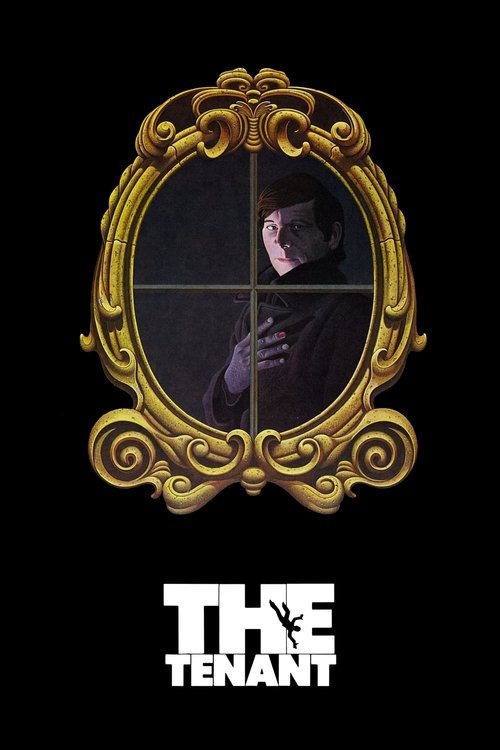
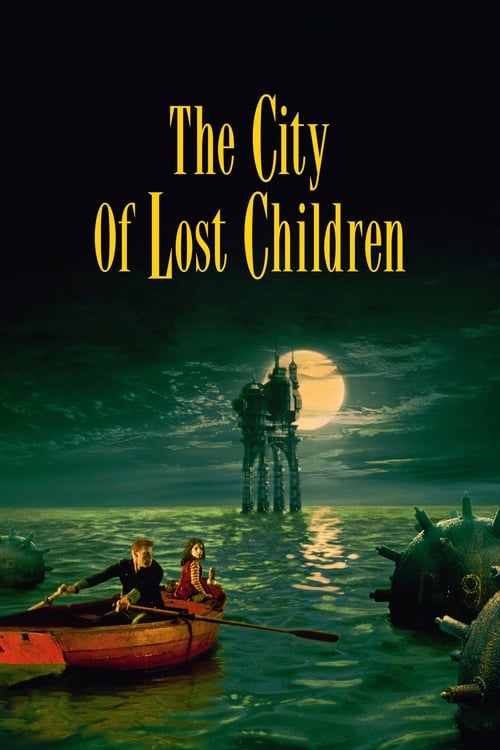
Every poster opens that film — stills, cinematography notes and colour palette.


About Rufus
How old is Rufus?
Rufus was born on 19 December 1942 in Riom, Puy-de-Dôme, France, which makes them 83 years old.
What is Rufus known for?
Rufus is the stage name of French actor Jacques Narcy. He is best known by the international film audience for his performance as Raphaël, the father of Amélie Poulain in Amélie (2001). He has appeared in numerous French TV series and productions, including most of the films directed by Jean-Pierre Jeunet.
What movies has Rufus been in?
FrameThrower holds stills from 4 of Rufus's films: Amelie (2001), Delicatessen (1991), The Tenant (1976) and The City Of Lost Children.
What awards has Rufus won?
Commander of the National Order of Merit (2022) and Commandeur des Arts et des Lettres (2013).
Often with
Shared films in this library, not a full filmography.
A reference database for filmmakers
FrameThrower is a fully machine-searchable film database and visual reference library — all 273 frames from Rufus's 4 films, and 5,000+ films besides, indexed frame by frame and readable by AI. Search it in plain language, from a reference image, or by colour; call it from an API, an MCP server or an SDK. It's the reference layer for making the next movie.