FrameThrower · Actors · Nigel Hawthorne
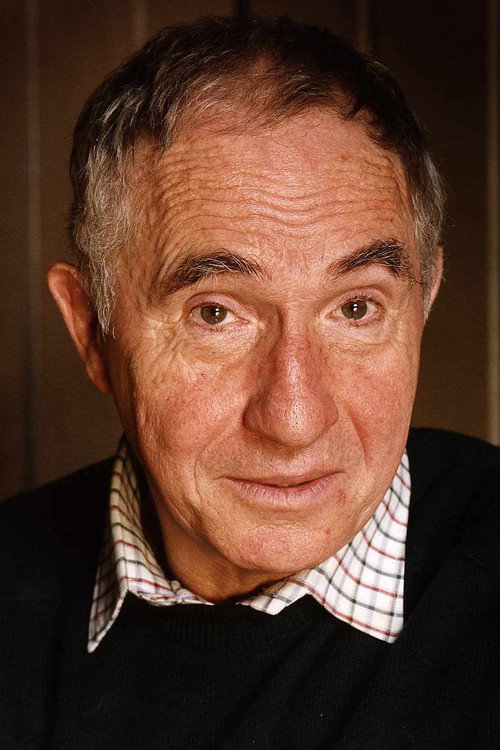
Nigel Hawthorne
2 films · 184 frames · top-billed in 1 · 1993–1997
Born 5 April 1929 · Hertfordshire, England, UK · died 26 December 2001
Sir Nigel Barnard Hawthorne was an English actor, perhaps best remembered for his role as Sir Humphrey Appleby, the Permanent Secretary in the 1980s sitcom Yes Minister and the Cabinet Secretary in its sequel, Yes, Prime Minister. For this role he would win four Bafta Awards during the 1980s in the 'Best Light Entertainment Performance' Category. In the 1990s He would win two more Bafta Awards, one as Best TV Actor for 'The Fragile Heart' and one as Best Film Actor for 'The Madness of King George'. His role in the latter also garnered him his sole Oscar Nomination.
Awards
On FrameThrower we have: 2 films · 184 frames · top-billed in 1 · 1993–1997
- BAFTA Award for Best Actor in a Leading Role
- Tony Award for Best Actor in a Play1991
- Commander of the Order of the British Empire
- Laurence Olivier Award for Best Actor in a Supporting Role1977
- Laurence Olivier Awards
- Knight Bachelor
How their films are shot
Measured across 184 frames from the 2 films we hold. This is the look of the work Nigel takes, not a claim about any single frame — we index the cast of a film, never the people in a shot.
Across the 2 films we hold, 47% of their frames are night, 51% low key — the look of the work Nigel takes.
Time of day
Lighting
Shot size
Camera angle
Mood
Films in the library
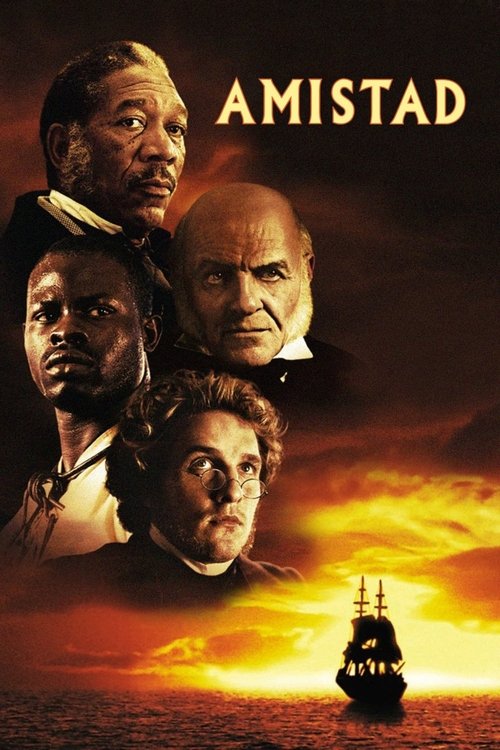
Every poster opens that film — stills, cinematography notes and colour palette.

A reference database for filmmakers
FrameThrower is a fully machine-searchable film database and visual reference library — all 184 frames from Nigel Hawthorne's 2 films, and 5,000+ films besides, indexed frame by frame and readable by AI. Search it in plain language, from a reference image, or by colour; call it from an API, an MCP server or an SDK. It's the reference layer for making the next movie.