FrameThrower · Actors · Mykola Hrynko
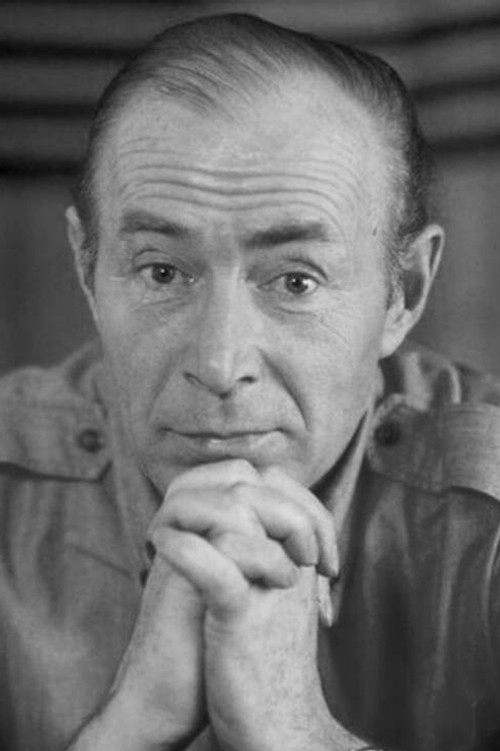
Mykola Hrynko
5 films · 309 frames · top-billed in 1 · 1962–1979
Born 22 May 1920 · Kherson, Ukrainian SSR, USSR [now Ukraine] · died 10 April 1989
Mykola Hryhorovych Hrynko or Nikolai Grigoryevich Grinko (Ukrainian: Микола Григорович Гринько; Russian: Николай Григорьевич Гринько) was a Soviet and Ukrainian actor.
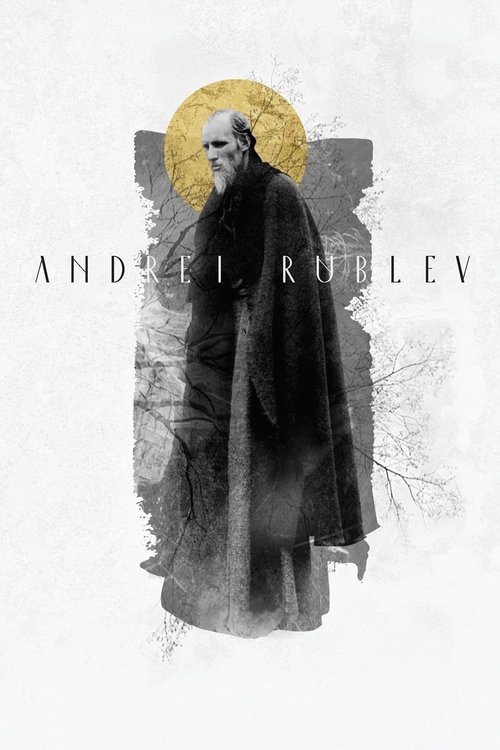
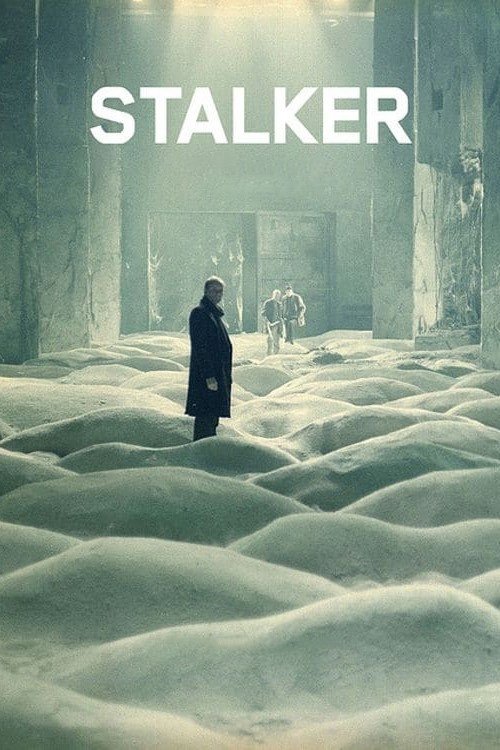
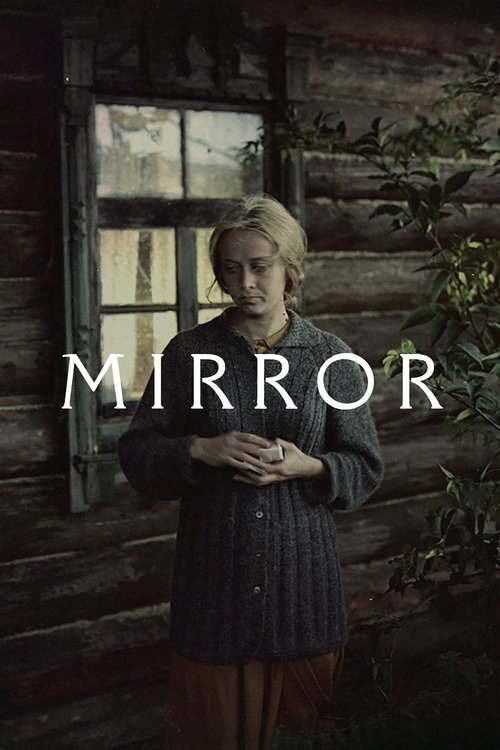
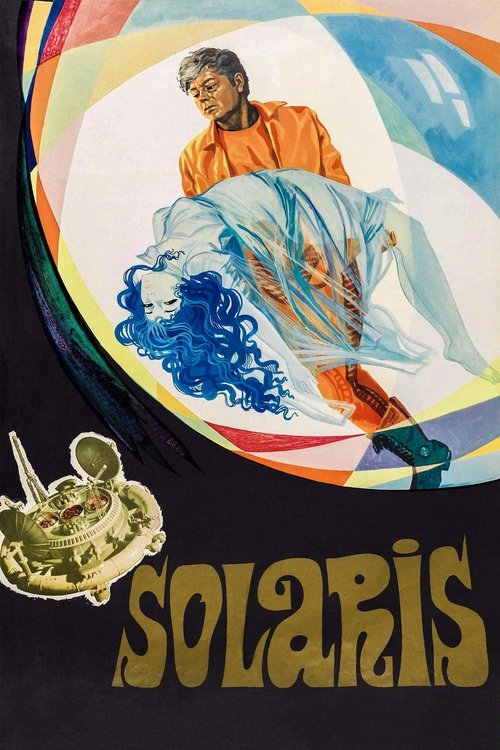
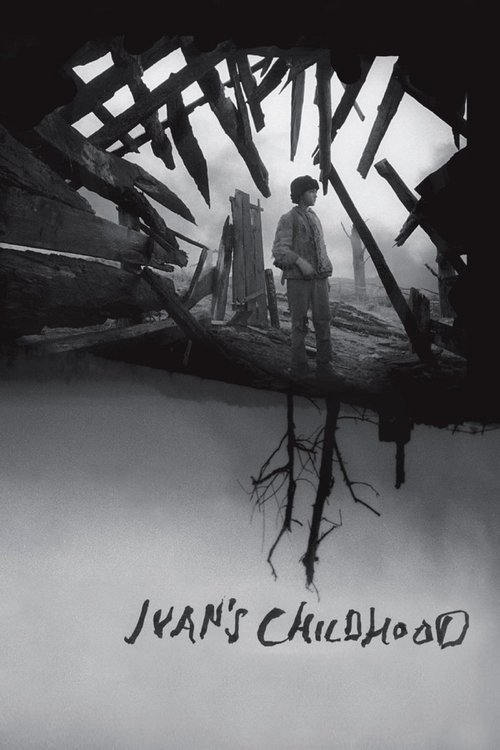
His film debut was in the role of a rebel in the film "Taras Shevchenko" by Igor Savchenko. He is best known for his roles in the films of Andrei Tarkovsky, including: "Ivan's Childhood", "Andrei Rubliov", "Solaris", "Mirror", and "Stalker", as well as Sergei Parajanov's "Shadows of Forgotten Ancestors".
Awards
On FrameThrower we have: 5 films · 309 frames · top-billed in 1 · 1962–1979
- Order of the Badge of Honour
- Order of the Patriotic War, 2nd class
- People's Artist of the Ukrainian SSR1973
- Merited Artist of the Ukrainian SSR1969
- Medal "For Battle Merit"1944
- Medal "For the Victory over Germany in the Great Patriotic War 1941–1945"
- Medal "For Labour Valour"
How their films are shot
Measured across 309 frames from the 5 films we hold. This is the look of the work Mykola takes, not a claim about any single frame — we index the cast of a film, never the people in a shot.
Across the 5 films we hold, 62% of their frames are day, 51% natural — the look of the work Mykola takes.
Time of day
Lighting
Shot size
Camera angle
Mood
Films in the library
Every poster opens that film — stills, cinematography notes and colour palette.
Often with
Shared films in this library, not a full filmography.
A reference database for filmmakers
FrameThrower is a fully machine-searchable film database and visual reference library — all 309 frames from Mykola Hrynko's 5 films, and 5,000+ films besides, indexed frame by frame and readable by AI. Search it in plain language, from a reference image, or by colour; call it from an API, an MCP server or an SDK. It's the reference layer for making the next movie.