FrameThrower · Actors · Esko Nikkari
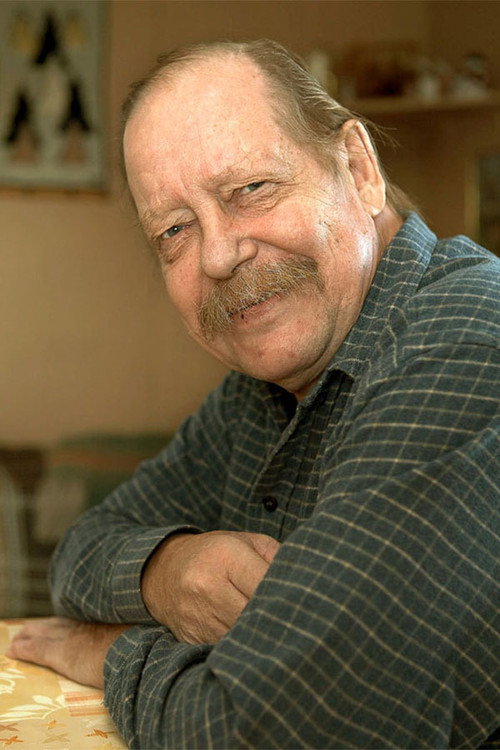
Esko Nikkari
3 films · 323 frames · top-billed in 2 · 1983–2002
Born 23 November 1938 · Lapua, Finland · died 17 December 2006
From Wikipedia, the free encyclopedia.
Esko Nikkari was a prolific Finnish actor who made more than 70 appearances on film and television. He debuted in 1974 in the movie Karvat.
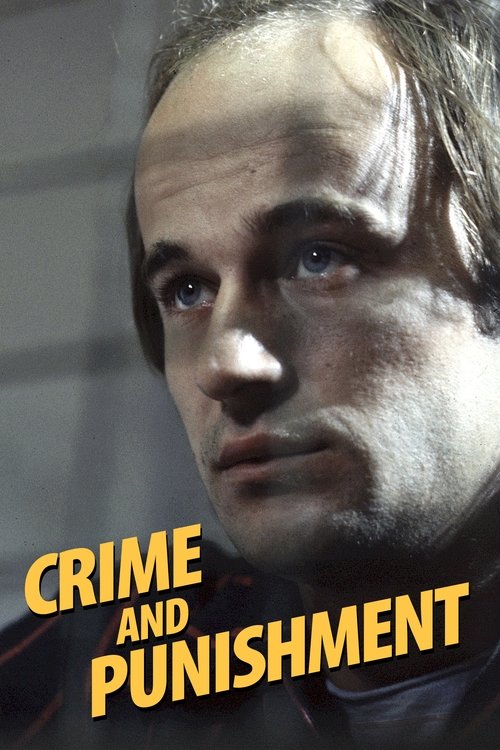
Nikkari was a workhorse of the Kaurismäki brothers, with whom he first worked on Rikos ja rangaistus in 1983. His last role with Aki Kaurismäki was in Man without a Past in 2002. He starred in the 1994 film Aapo opposite actors such as Taisto Reimaluoto, Ulla Koivuranta and Kai Lehtinen. More recently, he has appeared in a number of Timo Koivusalo films such as Kaksipäisen kotkan varjossa (2005), which is the last full-length movie he appeared in.
Description above from the Wikipedia article Esko Nikkari, licensed under CC-BY-SA, full list of contributors on Wikipedia.
Awards
On FrameThrower we have: 3 films · 323 frames · top-billed in 2 · 1983–2002
- Jussi Award for Best Supporting Actor1991
How their films are shot
Measured across 323 frames from the 3 films we hold. This is the look of the work Esko takes, not a claim about any single frame — we index the cast of a film, never the people in a shot.
Across the 3 films we hold, 41% of their frames are night, 54% natural — the look of the work Esko takes.
Time of day
Lighting
Shot size
Camera angle
Mood
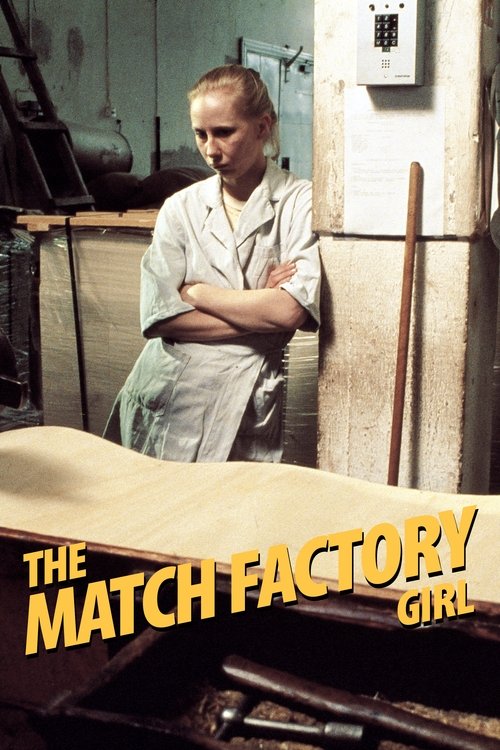
Films in the library
Every poster opens that film — stills, cinematography notes and colour palette.

Often with
Shared films in this library, not a full filmography.
A reference database for filmmakers
FrameThrower is a fully machine-searchable film database and visual reference library — all 323 frames from Esko Nikkari's 3 films, and 5,000+ films besides, indexed frame by frame and readable by AI. Search it in plain language, from a reference image, or by colour; call it from an API, an MCP server or an SDK. It's the reference layer for making the next movie.