Study the greats · Find refs faster—Filmmakers · Animators · Advertisers
FrameThrower · Actors · Dagmar Lassander
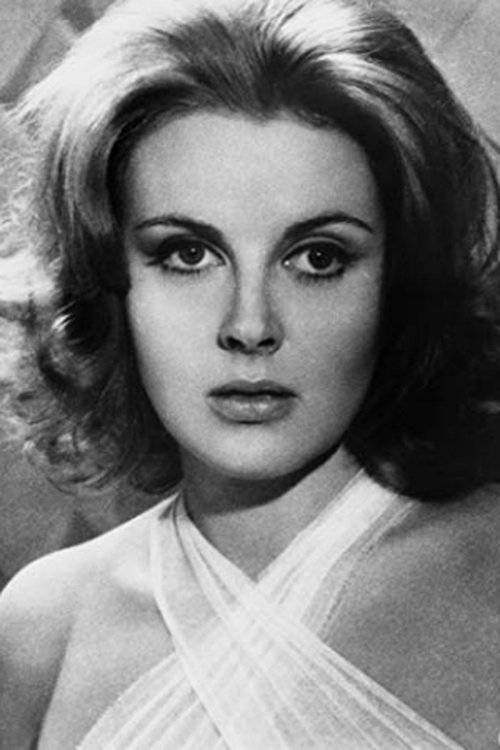
Dagmar Lassander
Leading roles in The Iguana with the Tongue of Fire and House By The Cemetery · stills from 2 of their films · 1971–1981
Born 16 June 1943 · Prague, Czechoslovakia
Dagmar Regine Hager is a German film actress best known for her work in European cinema during the 1960s and 1970s. Born in Prague, Czechoslovakia to a German father and French mother, she began her career as a costume designer in the Berlin Opera before later moving to Italy to begin her acting career. Her breakout role came in Hatchet for the Honeymoon (1970), directed by Mario Bava. Lassander became a recognizable presence in Italian exploitation and genre cinema, including giallo thrillers, horror, and drama. She is particularly remembered for her role in The Laughing Woman, directed by Piero Schivazappa.
How their films are shot
Measured across 130 frames from the 2 films we hold. This is the look of the work Dagmar takes, not a claim about any single frame — we index the cast of a film, never the people in a shot.
Across the 2 films we hold, 49% of their frames are night, 47% low key — the look of the work Dagmar takes.
Time of day
Lighting
Shot size
Camera angle
Mood
Films in the library
Every poster opens that film — stills, cinematography notes and colour palette.


About Dagmar Lassander
How old is Dagmar Lassander?
Dagmar Lassander was born on 16 June 1943 in Prague, Czechoslovakia, which makes them 83 years old.
What is Dagmar Lassander known for?
Dagmar Regine Hager is a German film actress best known for her work in European cinema during the 1960s and 1970s. Born in Prague, Czechoslovakia to a German father and French mother, she began her career as a costume designer in the Berlin Opera before later moving to Italy to begin her acting career.
What movies has Dagmar Lassander been in?
FrameThrower holds stills from 2 of Dagmar Lassander's films: House By The Cemetery (1981) and The Iguana with the Tongue of Fire (1971).
A reference database for filmmakers
FrameThrower is a fully machine-searchable film database and visual reference library — all 130 frames from Dagmar Lassander's 2 films, and 5,000+ films besides, indexed frame by frame and readable by AI. Search it in plain language, from a reference image, or by colour; call it from an API, an MCP server or an SDK. It's the reference layer for making the next movie.