Study the greats · Find refs faster—Filmmakers · Animators · Advertisers
FrameThrower · Actors · Clark Gable
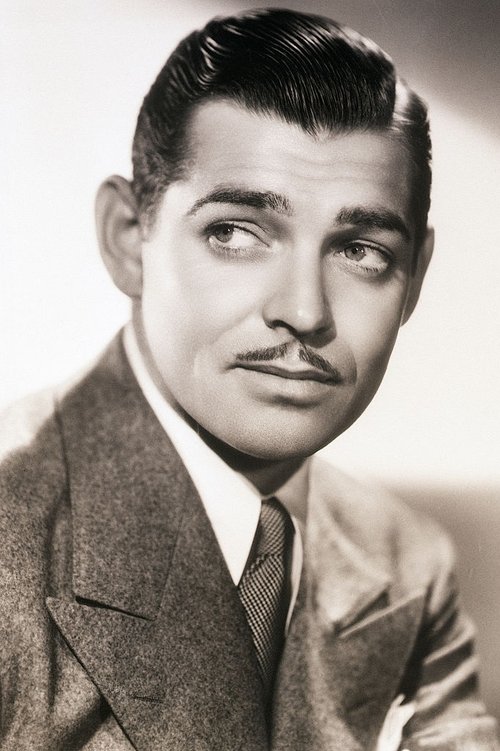
Clark Gable
Leading roles in It Happened One Night, The Misfits and Gone with the Wind · stills from 3 of their films · 1934–1961
Born 1 February 1901 · Cadiz, Ohio, USA · died 16 November 1960
William Clark Gable was an American actor. In 1999, the American Film Institute named Gable the seventh-greatest male star of all-time. His most famous role was Rhett Butler in the 1939 Civil War epic film Gone with the Wind, in which he starred with Vivien Leigh. His performance earned him his third nomination for the Academy Award for Best Actor; he won for It Happened One Night (1934) and was also nominated for Mutiny on the Bounty (1935).…
Awards
On FrameThrower we have: 3 films · 420 frames · top-billed in 3 · 1934–1961
- Academy Award for Best Actor1935
- Golden Boot Awards2001
- European-African-Middle Eastern Campaign Medal
- star on Hollywood Walk of Fame
- American Campaign Medal
- World War II Victory Medal
- Distinguished Flying Cross
- Air Medal
How their films are shot
Measured across 420 frames from the 3 films we hold. This is the look of the work Clark takes, not a claim about any single frame — we index the cast of a film, never the people in a shot.
Across the 3 films we hold, 47% of their frames are night, 40% low key — the look of the work Clark takes.
Time of day
Lighting
Shot size
Camera angle
Mood
Films in the library
Every poster opens that film — stills, cinematography notes and colour palette.


About Clark Gable
How old is Clark Gable?
Clark Gable was born on 1 February 1901 in Cadiz, Ohio, USA and died on 16 November 1960.
What is Clark Gable known for?
William Clark Gable was an American actor. In 1999, the American Film Institute named Gable the seventh-greatest male star of all-time. His most famous role was Rhett Butler in the 1939 Civil War epic film Gone with the Wind, in which he starred with Vivien Leigh.
What movies has Clark Gable been in?
FrameThrower holds stills from 3 of Clark Gable's films: The Misfits (1961), Gone with the Wind (1939) and It Happened One Night (1934).
What awards has Clark Gable won?
Academy Award for Best Actor (1935), Golden Boot Awards (2001), European-African-Middle Eastern Campaign Medal and star on Hollywood Walk of Fame.
A reference database for filmmakers
FrameThrower is a fully machine-searchable film database and visual reference library — all 420 frames from Clark Gable's 3 films, and 5,000+ films besides, indexed frame by frame and readable by AI. Search it in plain language, from a reference image, or by colour; call it from an API, an MCP server or an SDK. It's the reference layer for making the next movie.